
Introduction to hydraulic press accessories
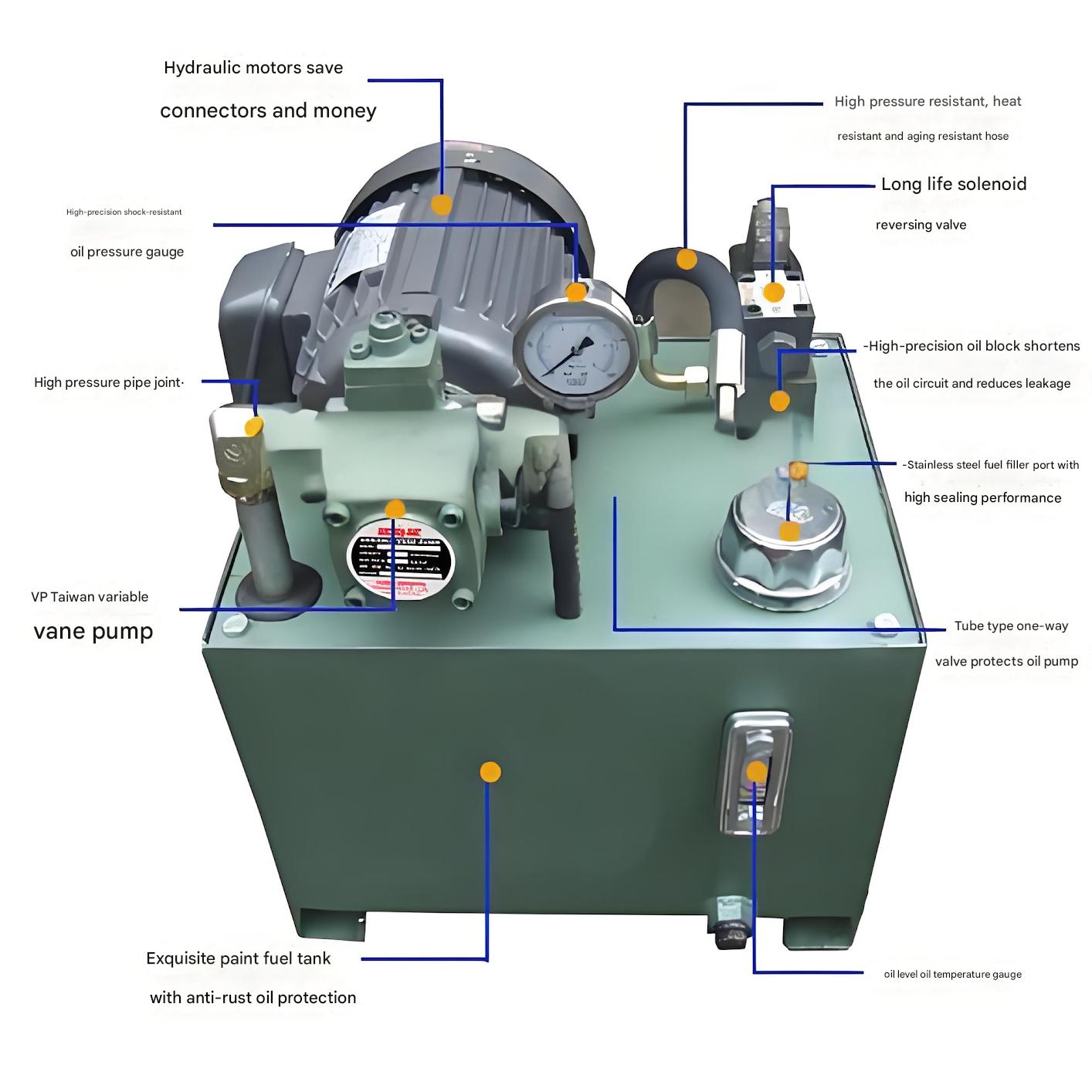
Hydraulic systems are integral to modern industry, enabling the transfer of power through the use of pressurized fluid. These systems rely on various components working in harmony to generate, control, and transmit power efficiently. At the heart of these systems lie numerous spare parts, each with specific functions that contribute to the overall operation and performance.
The Role of Spare Parts in Hydraulic Systems
Every hydraulic system, regardless of its application, consists of several key components that can be categorized into different functional groups. These include power generation components like pumps, control components such as valves, actuation components including cylinders and motors, and auxiliary components like filters, hoses, and fittings.
Understanding these components is crucial for anyone working with hydraulic systems, as it enables proper maintenance, troubleshooting, and optimization. This knowledge becomes particularly important when dealing with hydraulic press accessories, which often require precise matching and compatibility with existing systems.
The history of hydraulic systems dates back to ancient civilizations, with early applications including water clocks and irrigation systems. However, modern hydraulic technology truly began to develop in the 17th century with Blaise Pascal's work on fluid mechanics, which established the fundamental principles still used today.
Today, hydraulic systems are found in countless industrial applications, from construction machinery and manufacturing equipment to agricultural implements and aerospace systems. The reliability and efficiency of these systems depend heavily on the quality and proper functioning of their individual components, making the study of hydraulic spare parts essential for engineers, technicians, and anyone involved in the operation or maintenance of hydraulic equipment.
Key Insight
A typical hydraulic system contains hundreds of individual components, each designed to perform a specific function. While some components are large and easily recognizable, others are small precision parts that play equally critical roles in system performance. This includes specialized hydraulic press accessories that are designed for specific manufacturing applications requiring high pressure and precision.
As technology advances, hydraulic systems continue to evolve, with new materials and designs improving efficiency, durability, and performance. This evolution extends to all categories of hydraulic spare parts, from seals and gaskets made from advanced polymers to intelligent sensors integrated into modern hydraulic components.
Fundamental Science
Principles of Hydraulic Systems
To fully understand hydraulic spare parts, it is essential to grasp the basic principles that govern hydraulic systems. These principles, rooted in fluid mechanics, explain how hydraulic systems convert and transmit power efficiently.
Pascal's Law
The foundation of hydraulic systems is Pascal's Law, which states that pressure applied to an enclosed fluid is transmitted undiminished to all portions of the fluid and the walls of its container. This principle allows for force multiplication, enabling hydraulic systems to generate large forces from relatively small inputs.
Force and Pressure Relationship
Pressure (P) is defined as force (F) per unit area (A), expressed mathematically as P = F/A. This relationship means that increasing the area of a hydraulic component increases the force it can generate, given constant pressure.
How Hydraulic Systems Work
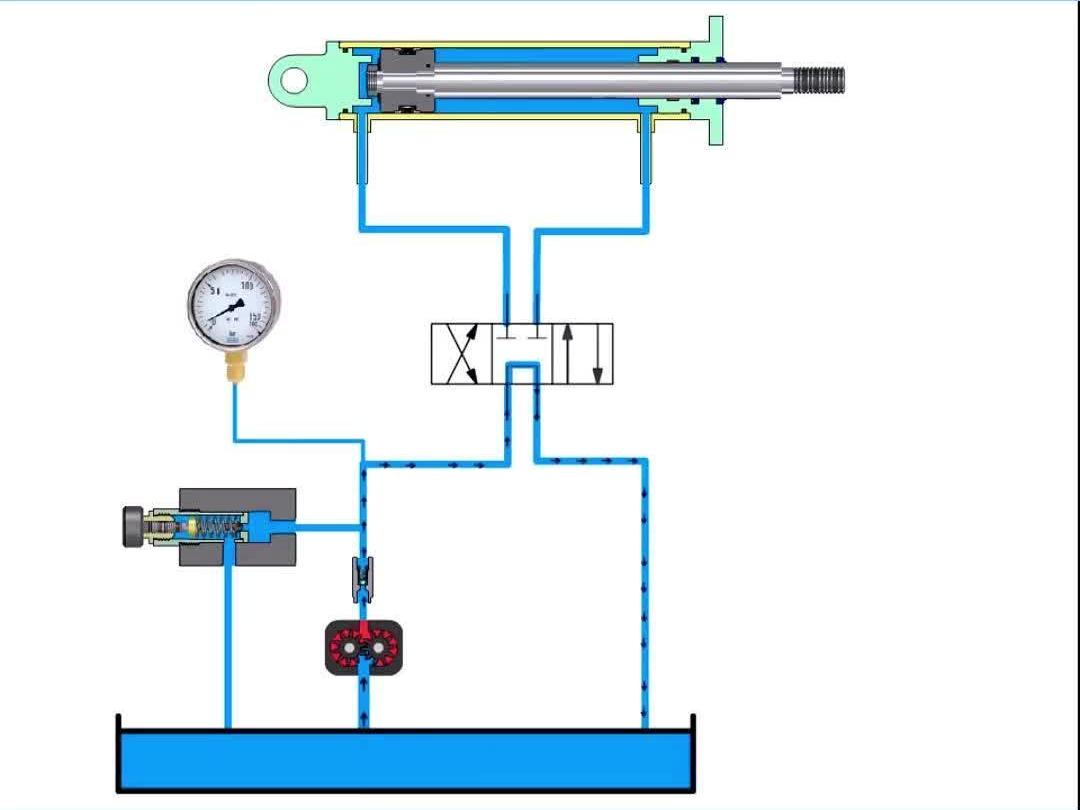
A basic hydraulic system consists of a pump that creates flow, valves that control the flow and pressure, an actuator (cylinder or motor) that converts fluid energy to mechanical energy, and a reservoir that stores the hydraulic fluid. The fluid, typically oil, serves as both the power transmission medium and a lubricant for system components.
The efficiency of a hydraulic system depends on minimizing pressure losses and fluid leakage, which is why high-quality seals and fittings are critical spare parts. This is especially true for specialized equipment like hydraulic press accessories, where precision and pressure retention are paramount for safe and effective operation.
Hydraulic systems operate based on the incompressibility of liquids. Unlike gases, which can be compressed, liquids maintain a relatively constant volume under pressure. This property allows hydraulic systems to transmit force with minimal energy loss over distances, making them ideal for applications where mechanical power transmission would be impractical.
Flow rate is another critical factor in hydraulic systems, determining the speed at which actuators operate. The relationship between flow rate and actuator speed is straightforward: higher flow rates result in faster movement, assuming constant actuator size. This is why flow control valves are essential components in many hydraulic systems, allowing operators to adjust speed as needed for specific tasks.
Pressure
Measured in Pascals (Pa) or pounds per square inch (psi), determines the force a system can generate.
Flow Rate
Measured in liters per minute (L/min) or gallons per minute (gpm), determines actuator speed.
Power
Calculated as pressure multiplied by flow rate, represents the work a system can perform.
Understanding these basic principles helps in selecting appropriate hydraulic spare parts for specific applications. For example, components used in high-pressure systems must be constructed from materials that can withstand greater forces, while those in high-flow systems may need larger passageways to minimize pressure drops. This knowledge is particularly valuable when working with specialized equipment like hydraulic press accessories, where operating parameters can be extreme compared to standard hydraulic systems.
System Elements
Key Hydraulic Spare Parts
Hydraulic systems consist of numerous components working together to transmit power. Each component serves a specific function, and understanding their roles is essential for proper system maintenance and troubleshooting. Below is a detailed examination of the main categories of hydraulic spare parts.
Hydraulic Pumps
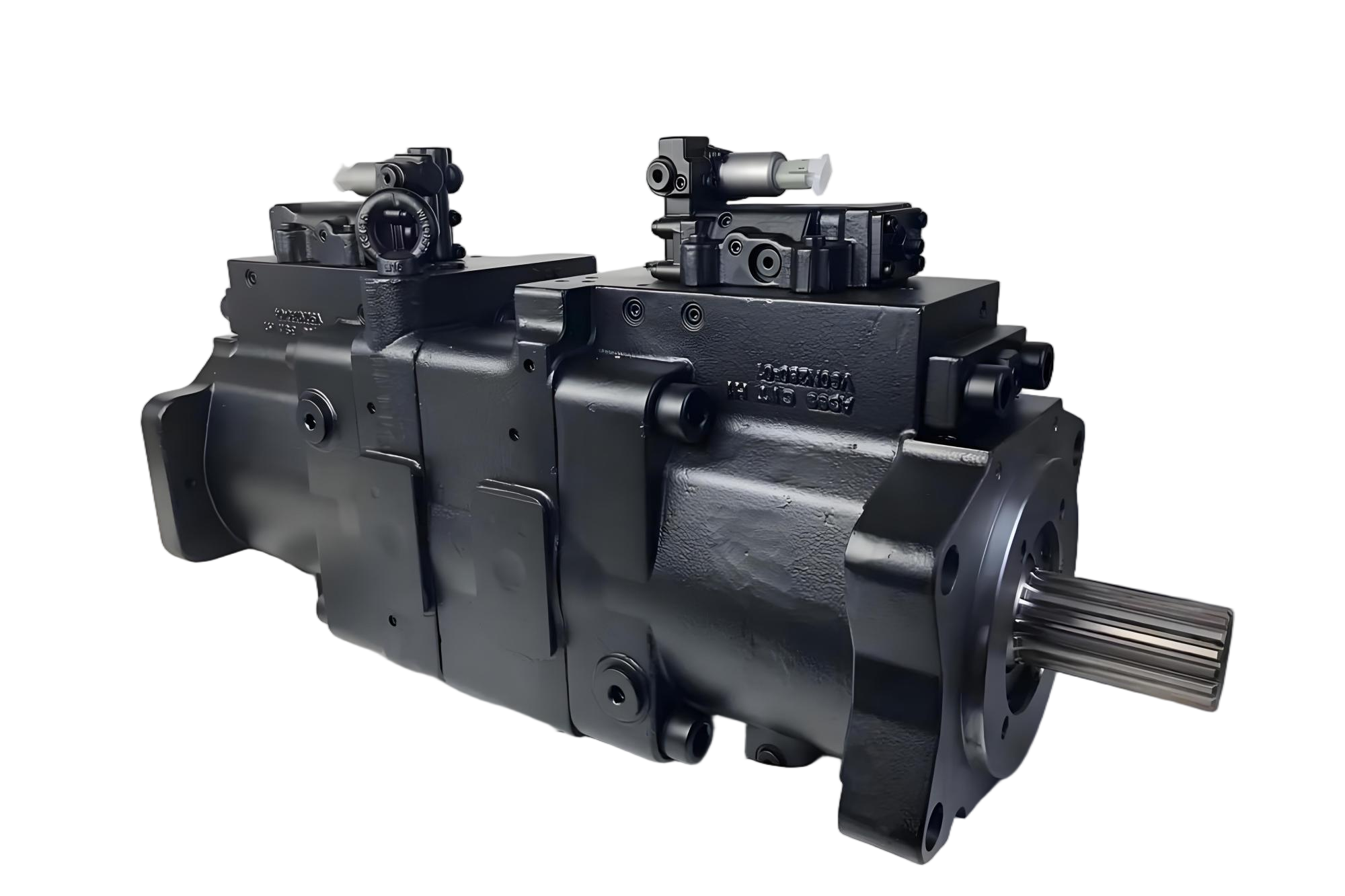
Pumps are the heart of any hydraulic system, converting mechanical energy into hydraulic energy by creating flow and pressure. They draw fluid from the reservoir and push it through the system.
Common types include gear pumps, vane pumps, piston pumps, and screw pumps, each with specific advantages for different applications. The choice of pump affects system efficiency, pressure capabilities, and maintenance requirements.
Common Pump Components
- Gear sets and housings in gear pumps
- Rotor, vanes, and cam rings in vane pumps
- Pistons, cylinders, and swash plates in piston pumps
- Shafts, bearings, and seals in all pump types
- Inlet and outlet ports with check valves
Hydraulic Actuators
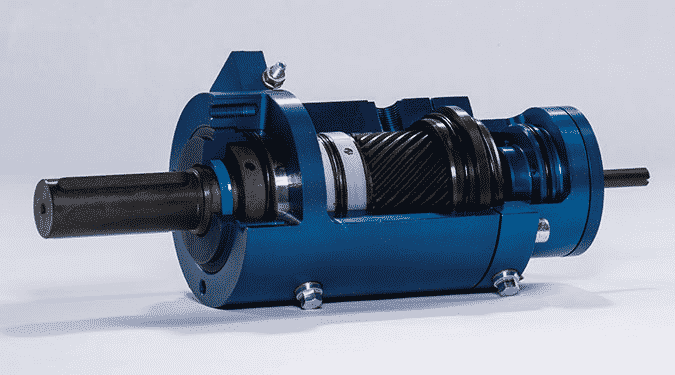
Actuators convert hydraulic energy back into mechanical energy to perform work. The two main types are hydraulic cylinders, which produce linear motion, and hydraulic motors, which produce rotary motion.
Cylinders consist of a barrel, piston, rod, and end caps, with seals preventing fluid leakage around the piston and rod. Motors come in various designs including gear, vane, and piston types, similar to pumps but operating in reverse.
Key Actuator Components
- Piston, rod, and barrel in hydraulic cylinders
- Rod and piston seals for preventing leakage
- Bearings and bushings for smooth movement
- Mounting hardware for secure installation
- Rotor, stator, and output shaft in hydraulic motors
Hydraulic Valves
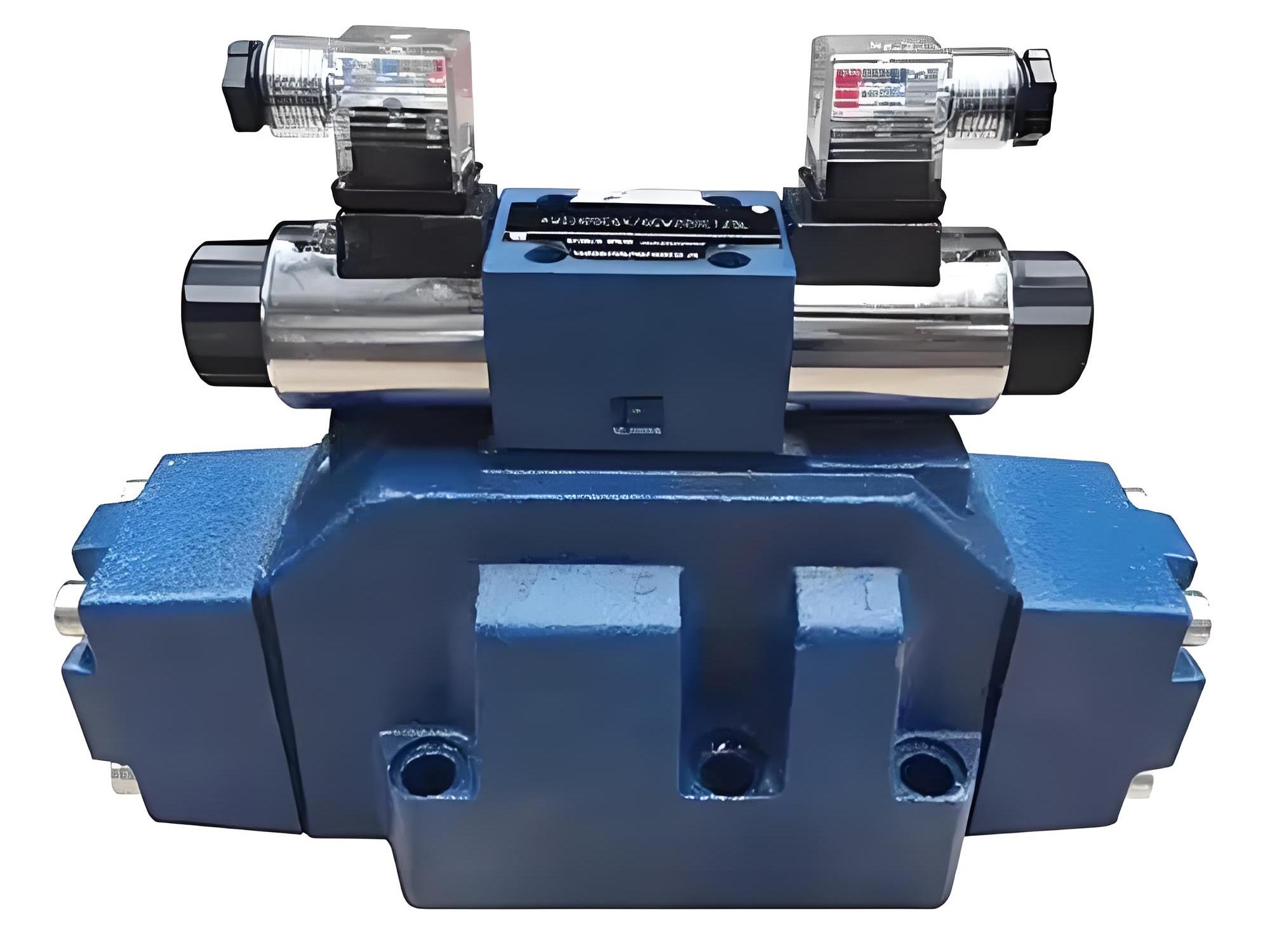
Valves control the flow rate, pressure, and direction of fluid in hydraulic systems. They are critical for regulating system operation and preventing damage from overpressure.
Directional control valves determine the path of fluid flow, while pressure control valves maintain system pressure within safe limits. Flow control valves regulate the speed of actuators by controlling fluid flow rate.
Major Valve Types
- Check valves for allowing flow in one direction only
- Relief valves for limiting maximum system pressure
- Solenoid valves for remote operation via electrical signals
- Flow control valves for regulating actuator speed
- Proportional valves for precise flow and pressure control
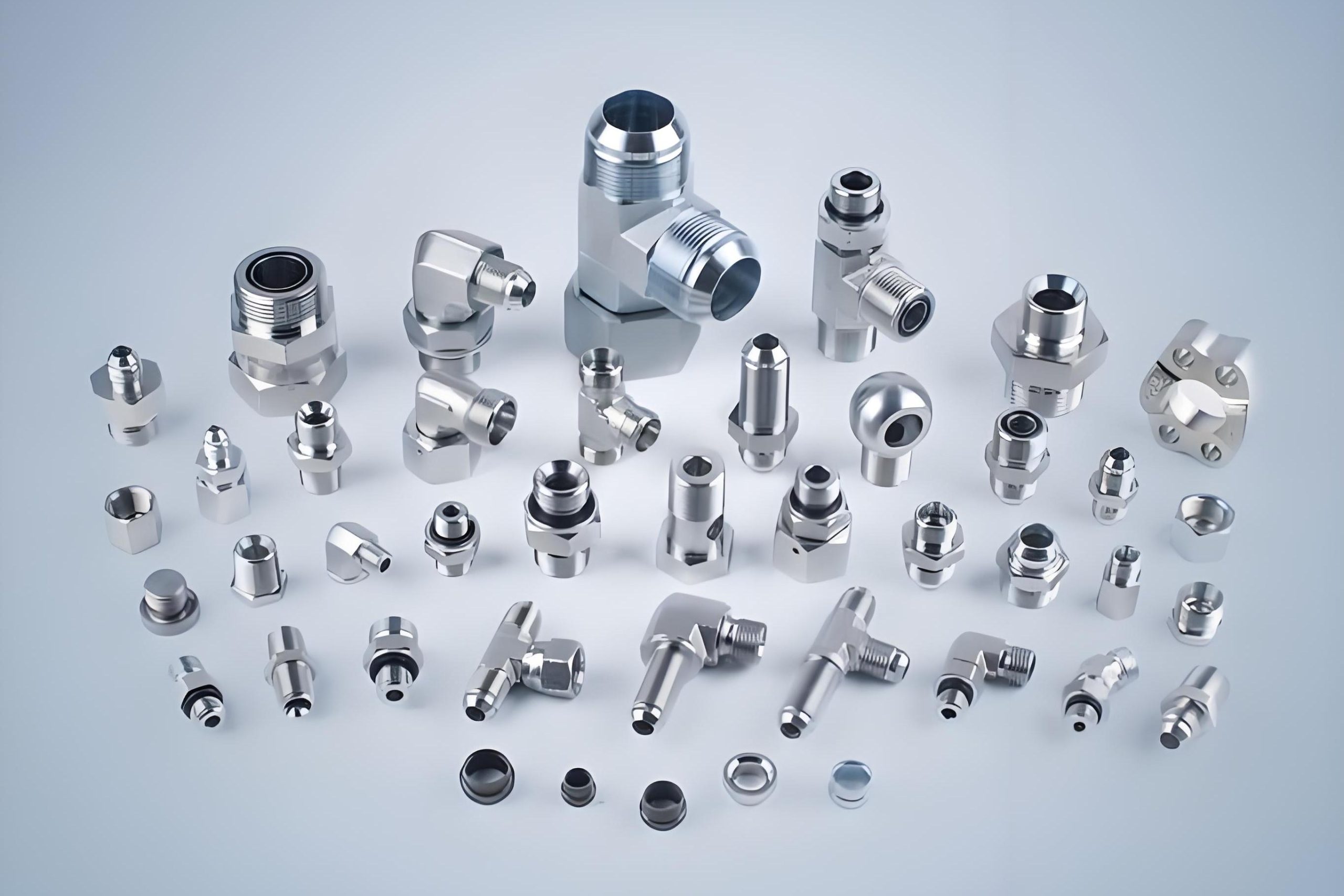
Hydraulic Press Accessories
Hydraulic press accessories are specialized components designed for use in hydraulic press systems, which are used for bending, forming, stamping, and assembling metal and other materials. These accessories must withstand extreme pressures while maintaining precision.
Common hydraulic press accessories include dies and tooling specific to particular manufacturing tasks, pressure plates of various sizes and configurations, and specialized clamping systems. These accessories are often application-specific, designed for particular industries or manufacturing processes.
Essential Hydraulic Press Accessories
- Forming dies for shaping metal components
- Pressure plates and platens of various sizes
- Guides and alignment systems for precision operations
- Safety interlocks and guards for operator protection
- Quick-connect fittings for rapid tooling changes
- Pressure gauges and sensors for monitoring operations
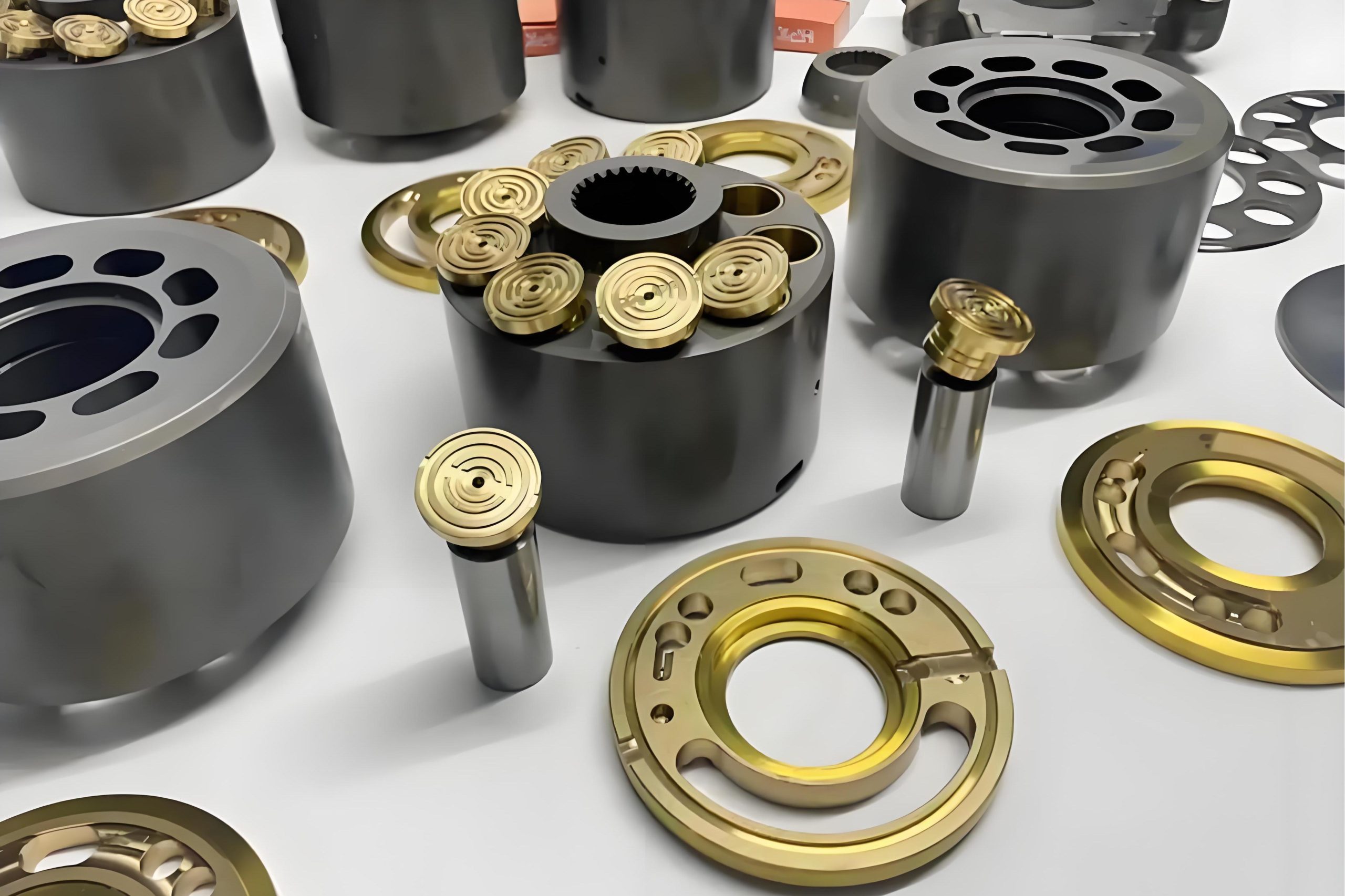
Auxiliary Components
Auxiliary components may not generate or control power directly but are essential for proper system operation, protection, and maintenance. These include filters, reservoirs, coolers, accumulators, hoses, and fittings.
Filters remove contaminants from hydraulic fluid, protecting system components from damage. Reservoirs store fluid and help dissipate heat, while coolers maintain optimal fluid temperature. Accumulators store hydraulic energy for later use or to absorb pressure spikes.
Fluid Handling Components
- Hoses and tubes for fluid conveyance
- Fittings, couplings, and adapters
- Quick-disconnect couplings
- Manifolds for fluid distribution
- Reservoirs and breather caps
System Protection Components
- Filters, strainers, and water separators
- Pressure gauges and sensors
- Hydraulic fluid coolers and heaters
- Accumulators for energy storage
- Level indicators and temperature sensors
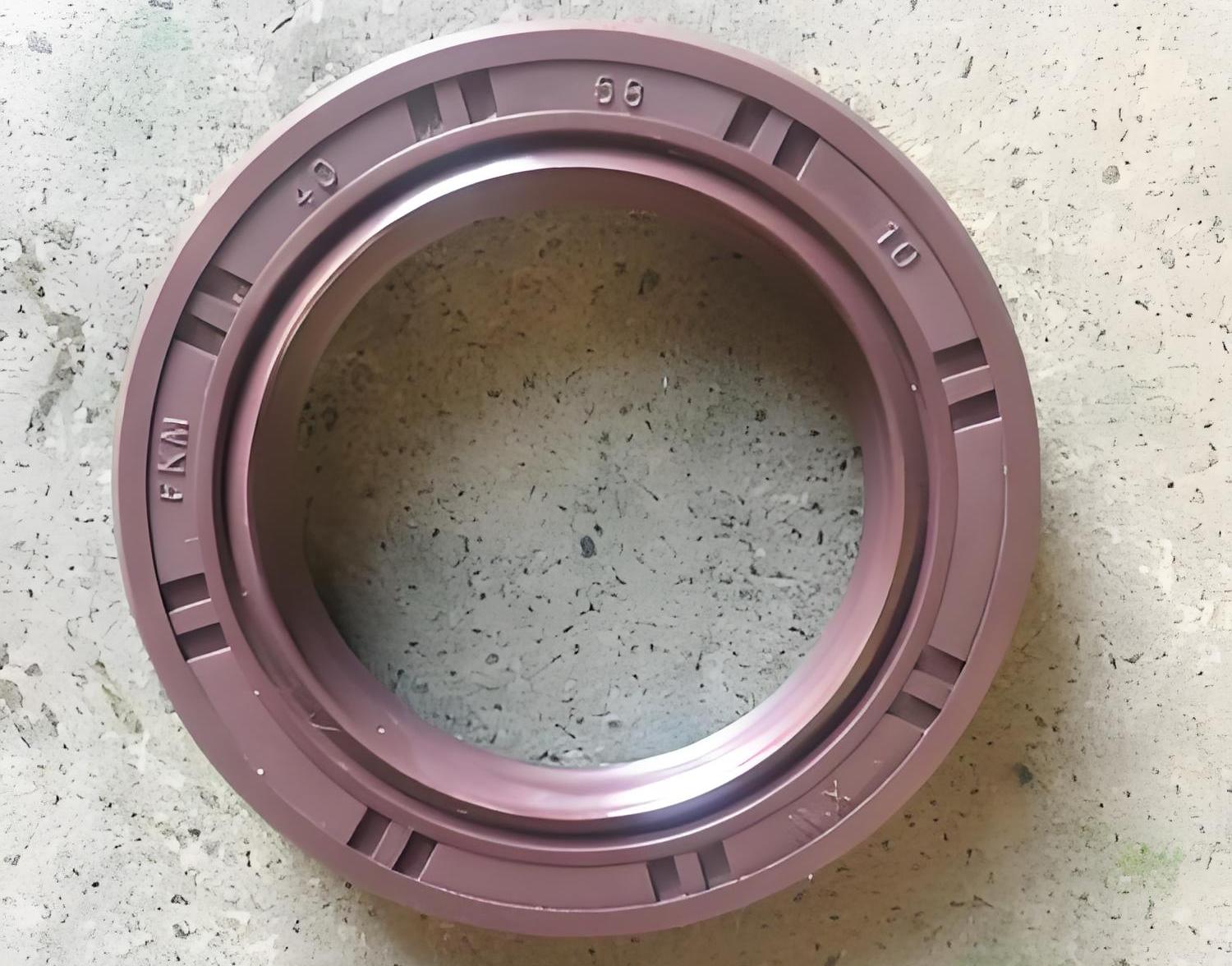
Seals and Gaskets
Seals are critical hydraulic spare parts that prevent fluid leakage between components. They maintain pressure within system circuits and prevent contamination from entering the system.
Common types include O-rings, lip seals, piston seals, rod seals, and wiper seals. These components are made from various materials including nitrile rubber, polyurethane, Viton, and PTFE, each offering different resistance to temperature, pressure, and fluid types.
Common Seal Types and Applications
- O-rings: General purpose static and dynamic sealing
- Piston seals: Prevent leakage between piston and cylinder bore
- Rod seals: Prevent fluid leakage around the piston rod
- Wiper seals: Remove contaminants from rod before it enters cylinder
- Gaskets: Seal flange connections and static surfaces
- U-cups: High-pressure dynamic sealing applications
System Care
Maintenance of Hydraulic Spare Parts
Proper maintenance of hydraulic spare parts is essential for ensuring system reliability, efficiency, and longevity. Regular inspection and maintenance can prevent costly breakdowns, reduce downtime, and extend the service life of hydraulic components. This section covers best practices for maintaining various hydraulic spare parts.
Establishing a Maintenance Schedule
A structured maintenance schedule is the foundation of effective hydraulic system care. The frequency of maintenance activities depends on factors such as system operating conditions, hours of operation, environmental factors, and the criticality of the equipment.
| Component | Daily Inspection | Monthly Maintenance | Annual Service |
|---|---|---|---|
| Hydraulic Fluid | Check level and temperature | Sample for analysis | Complete fluid change |
| Filters | Check indicator lights | Inspect and replace if needed | Replace all filters |
| Hoses and Fittings | Visual inspection for damage | Check connections for leaks | Replace aging hoses |
| Pumps and Motors | Check for unusual noise/vibration | Measure operating temperatures | Complete disassembly and rebuild |
| Hydraulic Press Accessories | Inspect for wear and alignment | Lubricate and adjust as needed | Calibrate and replace worn components |
Hydraulic Fluid Maintenance
Hydraulic fluid is often called the "lifeblood" of hydraulic systems, serving as both a power transmission medium and a lubricant. Proper fluid maintenance is critical for system performance and component longevity.
Fluid Contamination Control
Contamination is the leading cause of hydraulic system failure. Particles, water, and air can all damage components.
- Use proper filtration systems (10 micron or finer)
- Keep reservoirs properly sealed with breathers
- Follow strict cleanliness protocols during maintenance
- Store fluids in clean, sealed containers
Fluid Condition Monitoring
Regular fluid analysis can detect issues before they cause failure.
- Test for viscosity, acidity, and contamination
- Monitor for signs of oxidation or thermal breakdown
- Check for presence of water (should be less than 0.1%)
- Analyze wear particles to identify component issues
Fluid Replacement Guidelines
Hydraulic fluid should be replaced according to manufacturer recommendations, typically every 1,000 to 5,000 operating hours depending on conditions. When replacing fluid:
- Drain the entire system completely, including reservoirs, cylinders, and lines
- Clean the reservoir thoroughly to remove sludge and deposits
- Replace all filters, including suction, return, and in-line filters
- Flush the system with clean fluid or approved flushing solution
- Refill with the correct type and grade of fluid, filtered during filling
- Bleed the system to remove air before full operation
Component Inspection and Replacement
Regular inspection of hydraulic components allows for early detection of wear or damage, enabling proactive replacement before failure occurs.
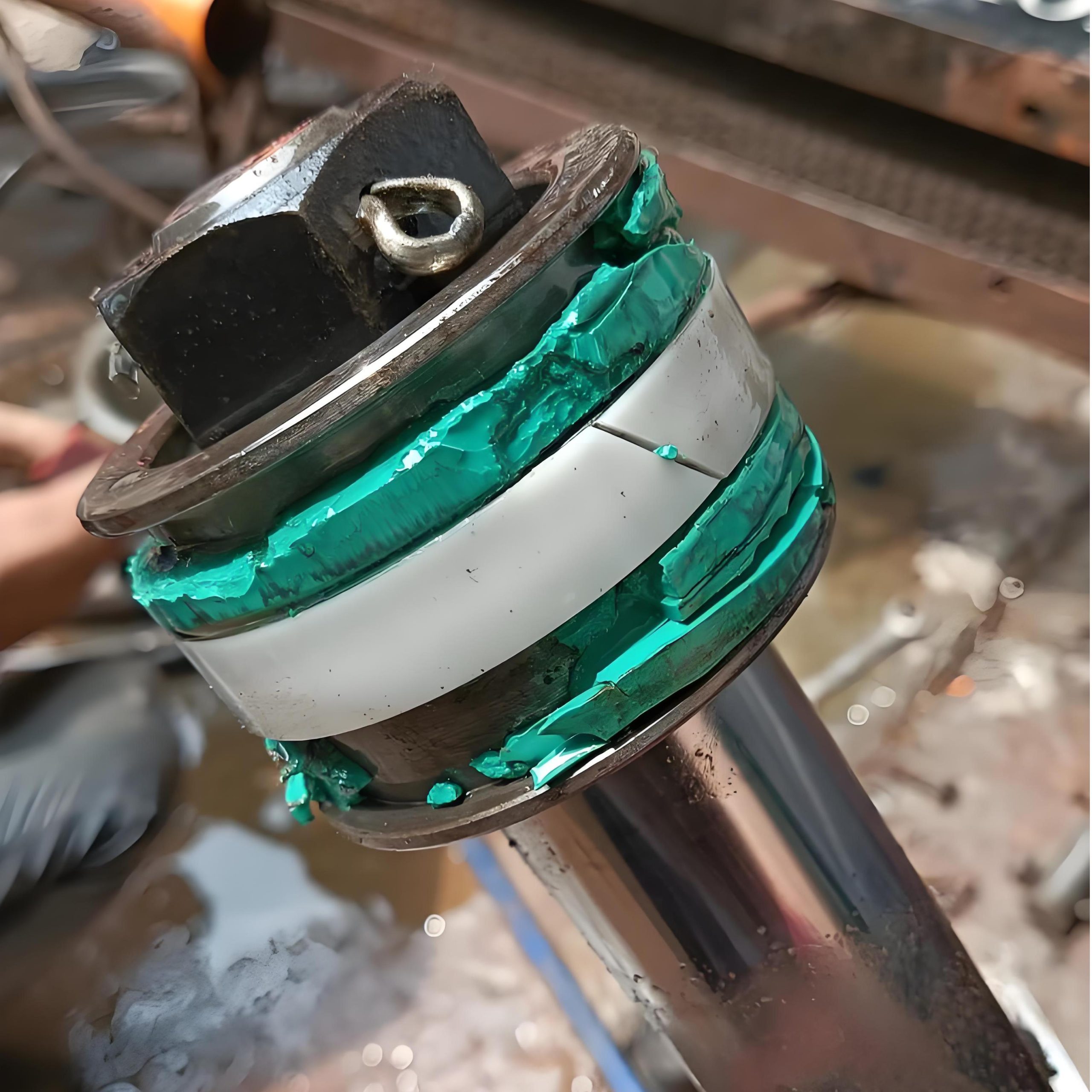
Key Inspection Points
-
Seals and O-rings: Check for cracks, hardening, swelling, or extrusion. Replace at first signs of wear.
-
Hoses: Inspect for abrasion, kinking, bulging, or softening. Check fittings for tightness and corrosion.
-
Valves: Test for proper operation, check for leakage around spools and stems.
-
Hydraulic Press Accessories: Examine for wear patterns, alignment issues, and proper functioning of safety features.
-
Pumps and Motors: Monitor for unusual noise, vibration, or temperature rise during operation.
Best Practices for Component Replacement
Cleanliness First
Always work in a clean environment and clean all surfaces before disassembly. Use clean tools and containers.
Proper Parts
Use genuine or approved replacement parts that meet manufacturer specifications for material and performance.
Follow Procedures
Adhere to manufacturer guidelines for disassembly, assembly, and torque specifications.
Troubleshooting Common Issues
Effective troubleshooting requires systematic diagnosis to identify the root cause of hydraulic system problems. The table below outlines common issues, potential causes, and solutions.
| Problem | Potential Causes | Solutions |
|---|---|---|
| Loss of pressure |
|
|
| Slow or erratic operation |
|
|
| Excessive noise |
|
|
| Overheating |
|
|
| Uneven pressure application (presses) |
|
|
Real-World Use
Applications of Hydraulic Spare Parts
Hydraulic systems and their component parts find application across a wide range of industries and equipment types. The versatility, power density, and controllability of hydraulic systems make them indispensable in many modern technologies. This section explores the diverse applications of hydraulic spare parts in various sectors.
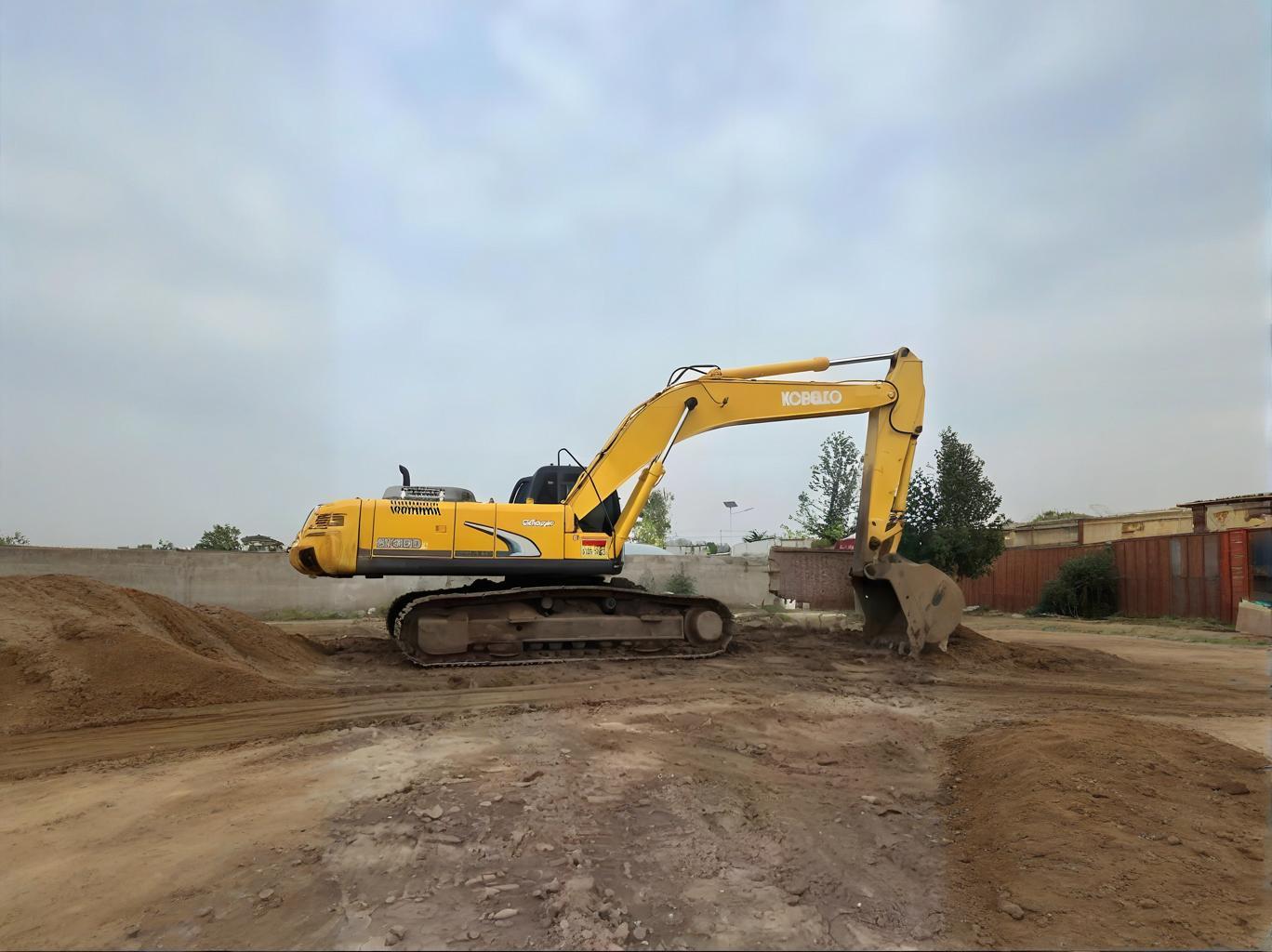
Construction Industry
The construction industry relies heavily on hydraulic systems for equipment like excavators, bulldozers, cranes, and concrete pumps. These machines use hydraulic cylinders for lifting and moving heavy loads, and hydraulic motors for driving tracks and wheels.
Critical spare parts in construction applications include heavy-duty hydraulic cylinders, high-pressure hoses, robust pumps, and specialized valves designed to withstand harsh operating conditions.
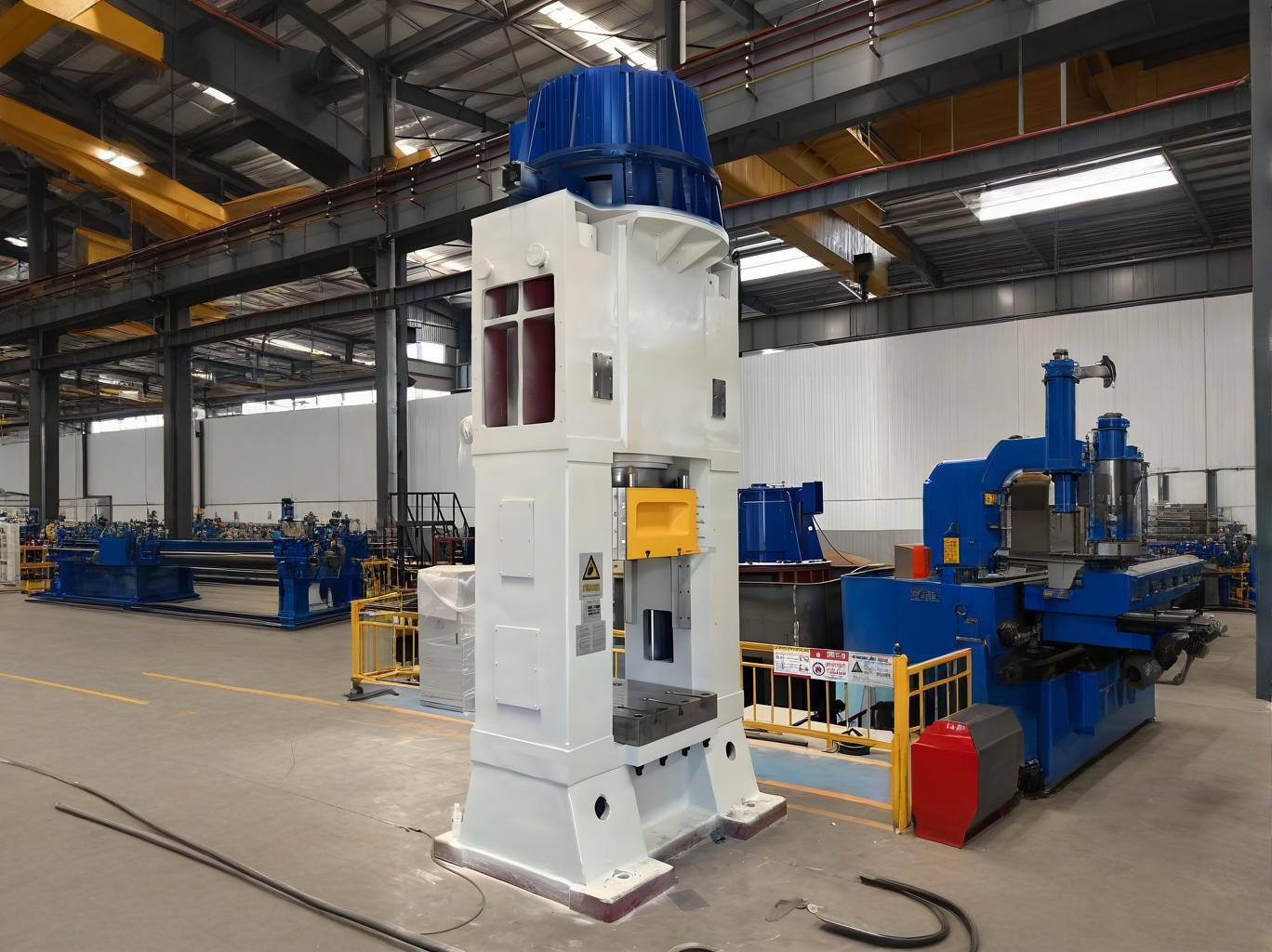
Manufacturing Sector
Manufacturing facilities utilize hydraulic systems in various production equipment, including presses, injection molding machines, material handling systems, and assembly line machinery.
Precision is critical in manufacturing applications, requiring high-quality hydraulic press accessories, servo valves for precise control, and contamination-resistant components to ensure product quality and process consistency.
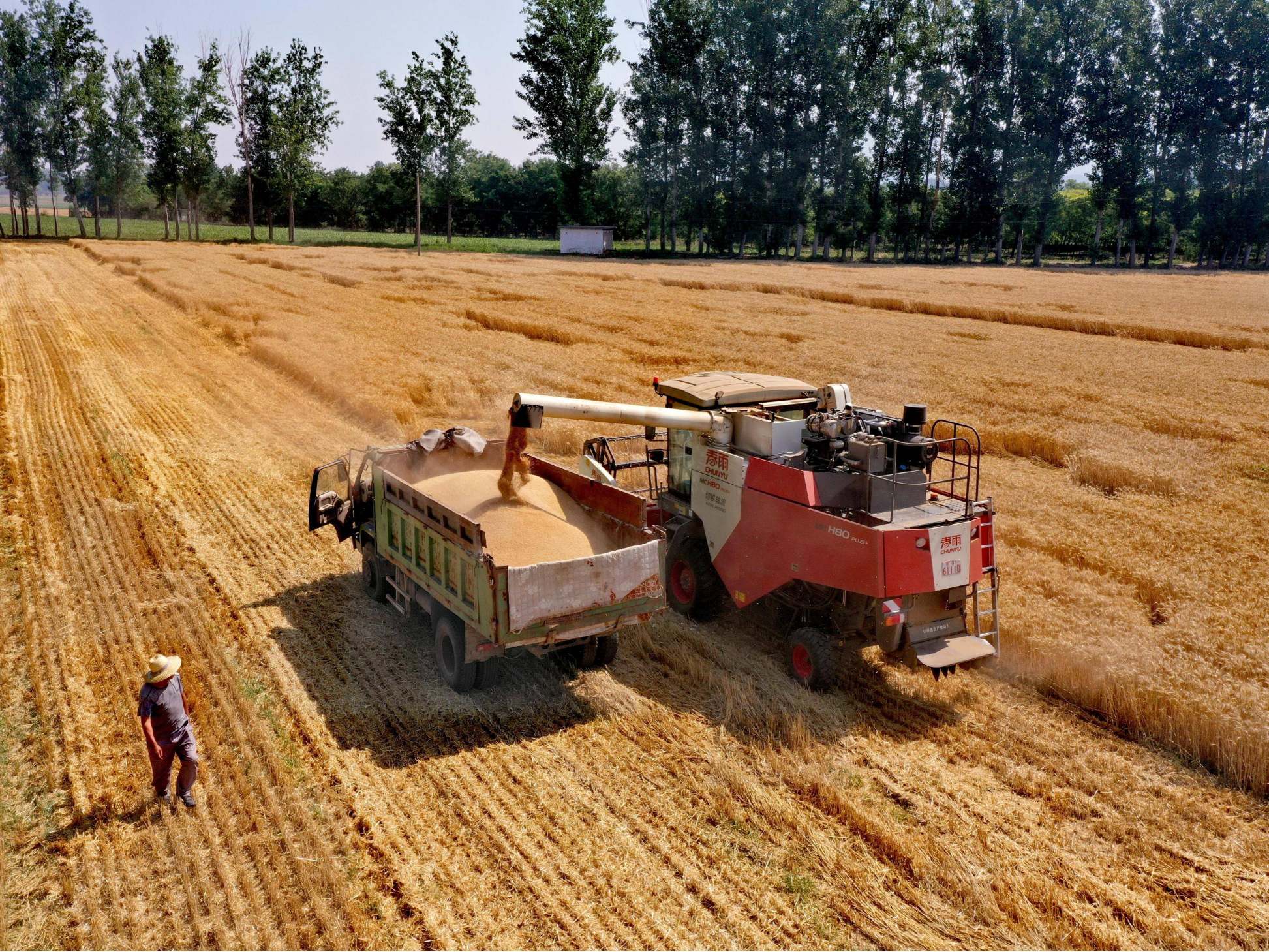
Agricultural Applications
Modern agricultural equipment extensively uses hydraulic systems for functions like lifting implements, steering, and powering attachments. Tractors, combines, and harvesters all rely on hydraulic components for efficient operation.
Agricultural hydraulic systems require components that can handle dust, debris, and varying weather conditions. Common spare parts include cylinder seals, control valves, and hydraulic filters designed for high contamination environments.

Aerospace and Aviation
Aircraft utilize hydraulic systems for flight control surfaces, landing gear, braking systems, and cargo handling. These applications demand lightweight components with exceptional reliability and performance under extreme conditions.
Aerospace hydraulic spare parts are precision-engineered and include high-strength cylinders, lightweight hoses, and specialized valves that meet stringent aviation standards for safety and performance.
Specialized Applications
Marine and Offshore
Ships and offshore platforms use hydraulic systems for steering, winches, cranes, and cargo handling equipment. Marine hydraulic components must resist corrosion from saltwater and withstand harsh environmental conditions.
Key spare parts for marine applications include stainless steel fittings, corrosion-resistant cylinders, and specialized seals that can withstand saltwater exposure. Hydraulic fluids formulated for marine environments are also critical components.
Offshore drilling equipment utilizes high-pressure hydraulic systems with components rated for extreme pressures, often exceeding 10,000 psi, requiring specialized pumps, valves, and hoses designed for these conditions.

Mobile Hydraulics
Mobile hydraulic systems power a wide range of vehicles and equipment, from garbage trucks and fire engines to material handling equipment and utility vehicles. These systems must be compact, efficient, and able to operate in varying conditions.
Mobile applications require components that can handle vibration, temperature extremes, and varying orientations. Common spare parts include compact hydraulic pumps, lightweight cylinders, and efficient hydraulic motors.
Modern mobile hydraulic systems increasingly incorporate electronic controls for improved efficiency and performance, requiring compatible hydraulic components that can interface with these control systems.

Hydraulic Press Applications
Hydraulic presses are versatile machines used in numerous industries for tasks requiring high force application. These machines rely on specialized hydraulic press accessories to perform their specific functions efficiently and precisely.
Metal Forming
Hydraulic presses with specialized forming dies as hydraulic press accessories shape metal sheets into various components for automotive, aerospace, and appliance industries.
Assembly Operations
Presses with precision hydraulic press accessories are used for press-fitting components, inserting bearings, and assembling parts requiring controlled force application.
Material Processing
Specialized hydraulic press accessories enable cutting, blanking, and punching operations on various materials including metals, plastics, and composites.
Specialized Hydraulic Press Accessories by Application
| Industry | Press Application | Key Hydraulic Press Accessories |
|---|---|---|
| Automotive | Panel forming, bearing installation | Contour dies, precision alignment tools, force sensors |
| Aerospace | Composite material forming | Heated platens, vacuum fixtures, precision pressure controls |
| Electronics | Component assembly, connector crimping | Micro-positioning stages, force-limiting tools |
| Construction Materials | Brick and tile manufacturing | Large-format platens, release agents, material handling systems |
Protection Guidelines
Safety Standards for Hydraulic Components
Safety is paramount when working with hydraulic systems due to the high pressures involved, which can exceed 10,000 psi in some applications. Properly designed, installed, and maintained hydraulic components are essential for preventing accidents and ensuring safe operation. This section covers safety standards and best practices related to hydraulic spare parts.
International Safety Standards
Various organizations establish standards for hydraulic components to ensure they meet minimum safety requirements. Compliance with these standards helps ensure that hydraulic spare parts can be used safely in their intended applications.
ISO Standards
The International Organization for Standardization (ISO) has developed numerous standards for hydraulic components:
- ISO 4413: Hydraulic fluid power systems - General rules and safety requirements
- ISO 5598: Hydraulic fluid power - Cylinders - Acceptance tests
- ISO 1219: Hydraulic fluid power - Valves - Mounting surfaces
- ISO 8434: Specification for hydraulic tube fittings
Other Standards Organizations
Additional standards organizations that establish guidelines for hydraulic components:
- SAE International: Standards for mobile and aerospace hydraulics
- NFPA: National Fluid Power Association standards
- DIN: German Institute for Standardization
- ASME: American Society of Mechanical Engineers
Safety Features in Hydraulic Components
Modern hydraulic components incorporate various safety features designed to prevent accidents and minimize risks. These features are particularly important for high-pressure systems and specialized equipment like hydraulic presses.
Key Safety Features
-
Pressure Relief Valves: Prevent system overpressure by diverting fluid when pressure exceeds safe limits.
-
Burst Pressure Ratings: All hydraulic components are designed to withstand pressures well above their operating range.
-
Safety Interlocks: Particularly important for hydraulic press accessories, preventing operation when guards are open.
-
Fail-Safe Designs: Components that default to safe positions in case of system failure.
-
Pressure Gauges and Sensors: Provide visual or electronic indication of system pressure.
Hydraulic Press Safety Considerations
Hydraulic presses present unique safety challenges due to their high force capabilities. Proper selection and maintenance of hydraulic press accessories are critical for safe operation:
- Ensure all hydraulic press accessories meet safety standards for the intended application and pressure range
- Regularly inspect safety interlocks and guards to ensure proper functioning
- Use two-hand control systems to prevent accidental operation during setup
- Install emergency stop systems that can quickly deactivate the press
- Ensure proper training for all personnel operating or maintaining hydraulic presses
Safe Maintenance Practices
Proper maintenance procedures are essential for preventing accidents when working with hydraulic components. Even high-quality components can become safety hazards if not handled correctly during inspection or replacement.
System Depressurization
Always relieve all pressure from the system before working on hydraulic components. Even residual pressure can cause components to move unexpectedly or fluid to spray under high pressure.
Proper Lockout/Tagout
Implement lockout/tagout procedures to prevent accidental system activation while maintenance is performed. This includes disconnecting power sources and securing controls.
Personal Protective Equipment
Always wear appropriate PPE when working with hydraulic systems, including safety glasses, gloves, and protective clothing to guard against fluid injection injuries.
Handling Hydraulic Fluid Safely
Hydraulic fluid can present safety and environmental hazards that must be addressed:
- Use proper containment when draining fluids to prevent environmental contamination
- Dispose of used hydraulic fluids according to local regulations and environmental guidelines
- Wear appropriate gloves when handling hydraulic fluids to prevent skin contact
- Know the material safety data sheet (MSDS) information for the hydraulic fluids being used
- Clean up any spills immediately using appropriate absorbents
Special care should be taken with high-pressure hydraulic systems, as fluid injection injuries can occur even from small leaks. These injuries require immediate medical attention, as hydraulic fluid can cause severe tissue damage if not properly treated.
Innovations in Hydraulic Spare Parts
The field of hydraulic technology continues to evolve, driven by demands for greater efficiency, sustainability, and performance. Innovations in materials science, manufacturing processes, and digital integration are leading to new generations of hydraulic spare parts that offer improved capabilities and reduced environmental impact.
Advanced Materials for Hydraulic Components
New materials are enabling hydraulic spare parts to perform better under extreme conditions while reducing weight and improving durability.
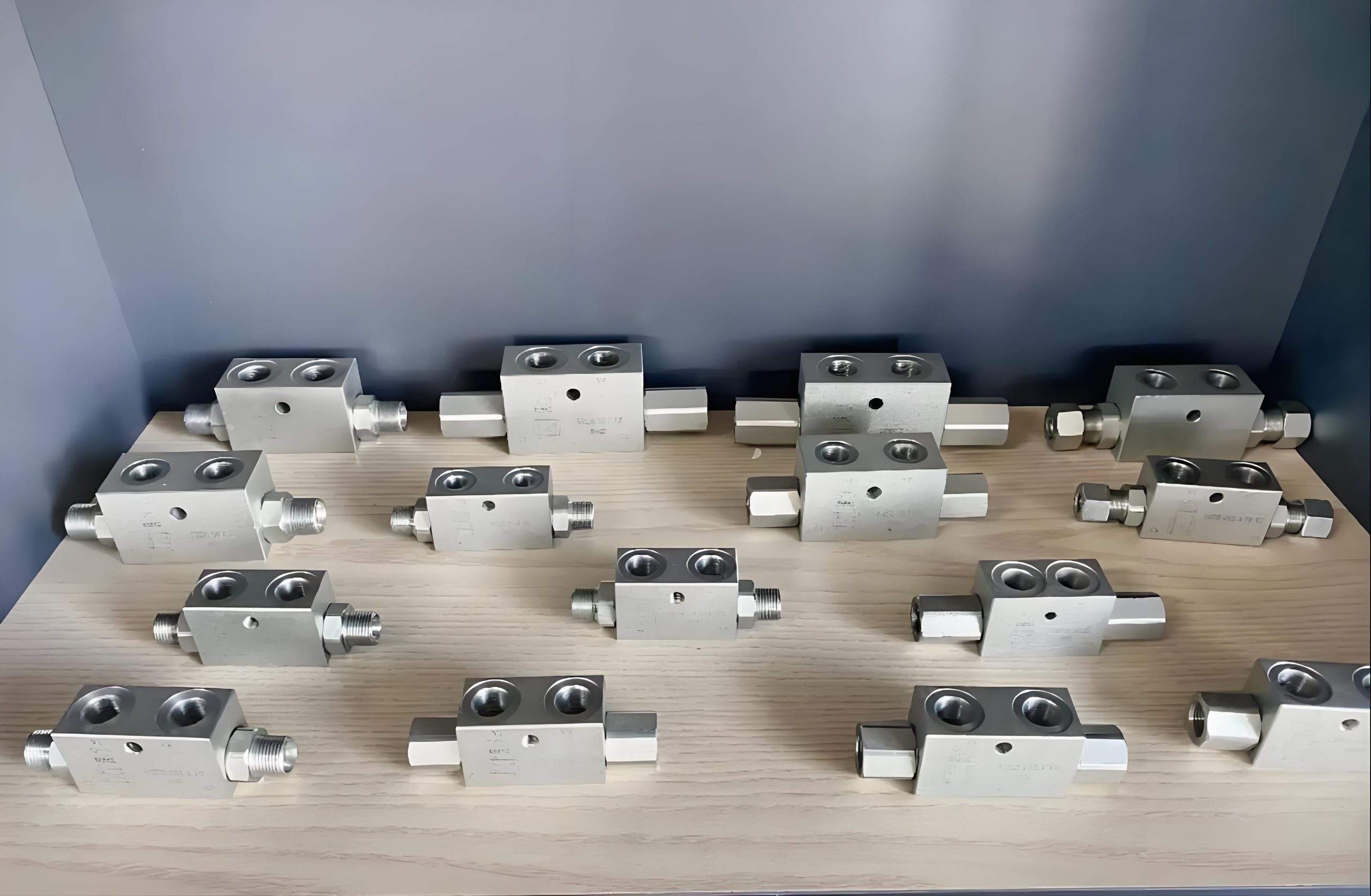
Material Advancements
-
Composite Materials: Fiber-reinforced polymers are being used for components like reservoirs, manifolds, and even cylinders, reducing weight while maintaining strength.
-
Advanced Alloys: New metal alloys offer improved strength-to-weight ratios and better corrosion resistance for hydraulic components.
-
Nanocomposite Seals: Seals incorporating nanomaterials offer improved wear resistance and longer service life in extreme conditions.
-
Ceramic Components: Ceramic coatings and components provide exceptional wear resistance in high-pressure applications like hydraulic press accessories.
Benefits of Advanced Materials
Increased Durability
Advanced materials resist wear, corrosion, and degradation, extending component life.
Reduced Weight
Composite materials reduce overall system weight, improving efficiency in mobile applications.
Higher Temperature Resistance
New materials maintain performance at extreme temperatures, expanding application ranges.
Improved Chemical Resistance
Components better resist degradation from hydraulic fluids and environmental contaminants.
Smart Hydraulic Components
The integration of sensors and electronic controls into hydraulic components is creating "smart" systems that offer improved performance monitoring, predictive maintenance, and efficiency.
Integrated Sensing and ControlIntegrated Sensing and Control
Modern hydraulic spare parts increasingly incorporate sensors and electronic interfaces that provide real-time data on operating conditions. This enables more precise control and early detection of potential issues.
Sensor-Equipped Components
- Cylinders with position and force sensors
- Valves with integrated pressure transducers
- Pumps with temperature and vibration monitoring
- Hydraulic press accessories with precision force measurement
- Hoses with embedded pressure sensors
Benefits of Smart Hydraulics
- Real-time performance monitoring
- Predictive maintenance capabilities
- Improved system efficiency through adaptive control
- Enhanced safety through condition monitoring
- Better process control and repeatability
Digital Integration and Industry 4.0
Hydraulic systems are becoming part of the broader trend toward connected industrial systems, often referred to as Industry 4.0. Smart hydraulic components can communicate with centralized control systems, providing valuable data for overall equipment effectiveness (OEE) analysis.
This connectivity enables features like remote monitoring, where hydraulic system performance can be analyzed from anywhere, and adaptive control, where system parameters automatically adjust based on operating conditions.
For example, intelligent hydraulic press accessories can collect data on each pressing operation, ensuring quality control through consistent force application and providing traceability for manufacturing processes.

Sustainability in Hydraulic Technology
Environmental considerations are driving innovations in hydraulic systems, with a focus on energy efficiency, reduced fluid usage, and more sustainable manufacturing processes for hydraulic spare parts.

Environmentally Friendly Fluids
The development of biodegradable hydraulic fluids is reducing the environmental impact of leaks and spills. These fluids, often based on vegetable oils or synthetic esters, offer performance characteristics comparable to traditional mineral oils while being more environmentally benign.
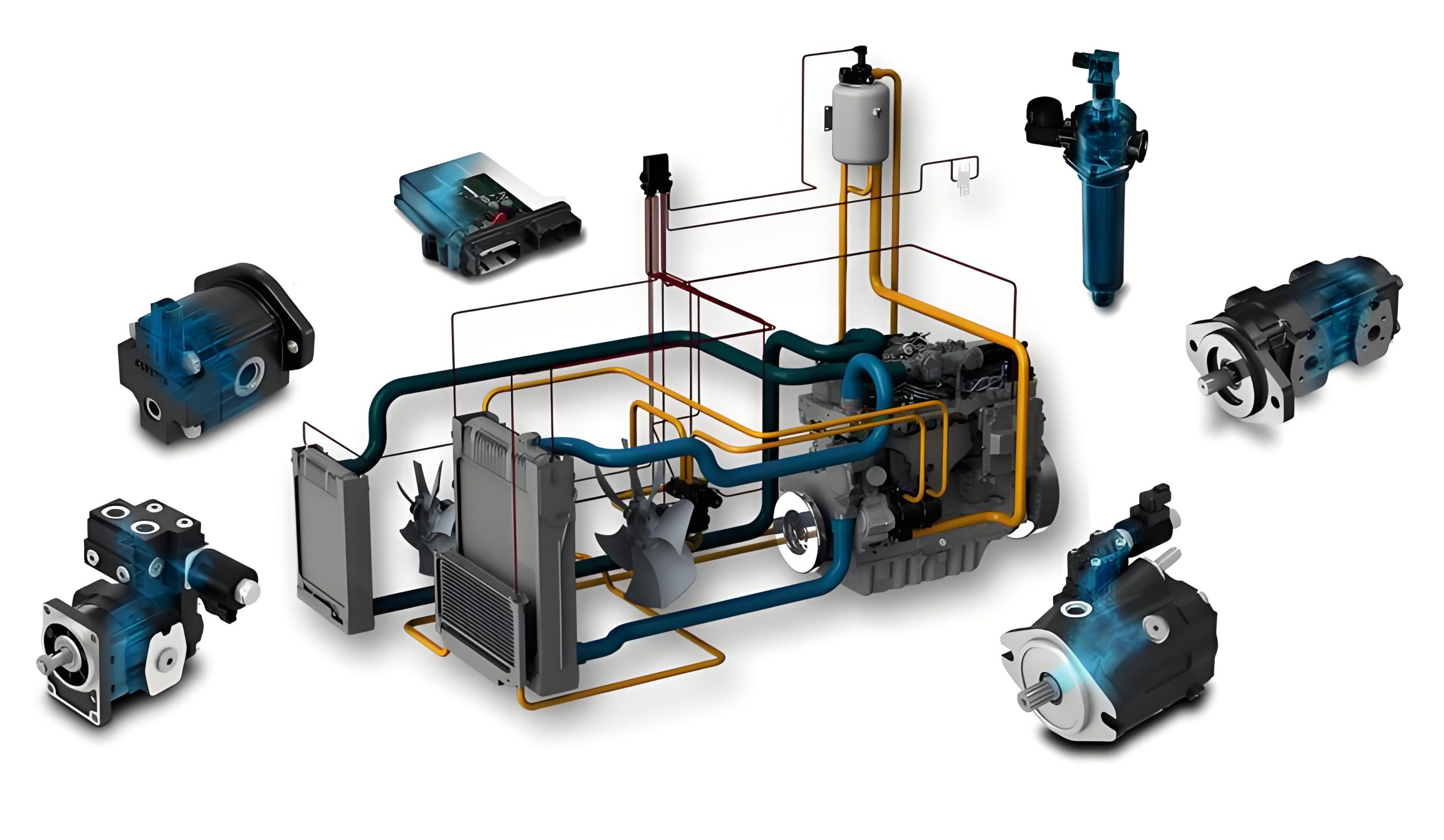
Energy Recovery Systems
New hydraulic components are enabling energy recovery in systems where kinetic energy would otherwise be wasted. Regenerative circuits capture energy during deceleration or lowering of loads, storing it for later use and reducing overall energy consumption.
Future Trends in Hydraulic Technology
Several emerging trends are shaping the future of hydraulic spare parts and systems:
Increased Efficiency
Continued focus on reducing energy losses through improved component design and tighter tolerances.
System Integration
Greater integration between hydraulic, electrical, and mechanical systems for optimized performance.
Additive Manufacturing
3D printing enabling complex hydraulic component designs that optimize performance and reduce weight.
Terminology
Hydraulic Spare Parts Glossary
Understanding the terminology associated with hydraulic systems is essential for anyone working with these technologies. Below is a comprehensive glossary of key terms related to hydraulic spare parts and systems.
A-B
- Accumulator
- A device that stores hydraulic energy in the form of pressurized fluid for later use.
- Actuator
- A device that converts hydraulic energy into mechanical motion (cylinders for linear motion, motors for rotary motion).
- Bleeding
- The process of removing air from a hydraulic system.
- Bypass valve
- A valve that allows fluid to flow around a component, typically used for protection or in bypass systems.
C-D
- Cavitation
- The formation and collapse of vapor bubbles in hydraulic fluid, often causing damage to components.
- Cylinder
- A hydraulic actuator that converts fluid pressure into linear mechanical force and motion.
- Directional control valve
- A valve that controls the path of fluid flow in a hydraulic system, determining which components receive pressure.
- Displacement
- The volume of fluid moved by a pump or motor in one revolution, typically measured in cubic inches or cubic centimeters.
E-F
- Efficiency
- The ratio of useful output energy to the input energy in a hydraulic component or system.
- Filter
- A component that removes contaminants from hydraulic fluid to protect system components.
- Flow rate
- The volume of fluid passing through a component or system in a given time, typically measured in gallons per minute (gpm) or liters per minute (lpm).
- Flow control valve
- A valve that regulates the rate of fluid flow in a hydraulic circuit, controlling actuator speed.
G-H
- Gauge
- A device used to measure the pressure of hydraulic fluid in a system.
- Hose
- A flexible tube used to convey hydraulic fluid between components.
- Hydraulic fluid
- The medium used to transmit power in a hydraulic system, typically oil-based but increasingly including synthetic and biodegradable options.
- Hydraulic press accessories
- Specialized components designed for use with hydraulic presses, including dies, platens, and tooling for specific manufacturing operations.
I-L
- Manifold
- A component that distributes fluid to multiple circuits or components from a single source.
- Motor
- A hydraulic actuator that converts fluid pressure into rotary mechanical force and motion.
- O-ring
- A circular elastomer seal used to prevent fluid leakage between mating surfaces in hydraulic components.
- Line loss
- Pressure loss that occurs as fluid flows through hoses, pipes, and fittings due to friction.
P-R
- Pascal's Law
- The principle stating that pressure applied to an enclosed fluid is transmitted undiminished to all parts of the fluid and container walls.
- Piston
- A component in cylinders and pumps that is moved by or imparts force to hydraulic fluid.
- Pump
- A device that converts mechanical energy into hydraulic energy by creating flow and pressure in a hydraulic system.
- Relief valve
- A safety valve that opens to relieve excess pressure when it exceeds a preset level, protecting system components.
S-T
- Seal
- A component designed to prevent fluid leakage between moving or stationary parts in hydraulic systems.
- Spool valve
- A type of directional control valve that uses a sliding spool to direct fluid flow.
- Temperature range
- The range of temperatures within which a hydraulic component or fluid can operate effectively.
- Tolerance
- The allowable variation in dimensions of a hydraulic component, critical for proper fit and function.
V-Z
- Valve
- A component that controls the flow, pressure, or direction of hydraulic fluid in a system.
- Viscosity
- A measure of a fluid's resistance to flow, an important property of hydraulic fluids that affects system performance.
- Working pressure
- The normal operating pressure range for a hydraulic system or component.
- Yoke
- A component that connects the actuator rod to the load, often with a pivot point for rotational movement.
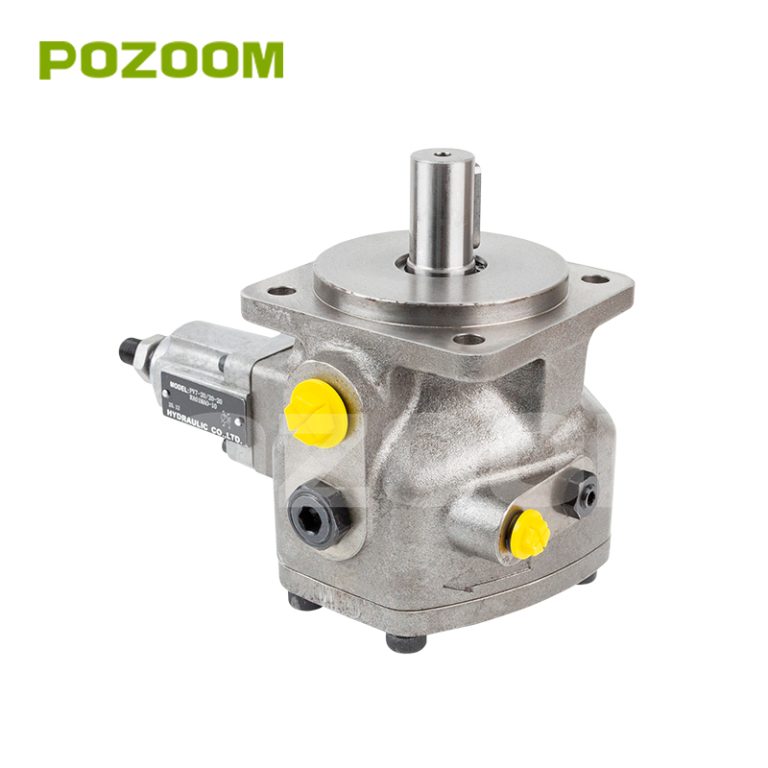
$480.00
$450.00
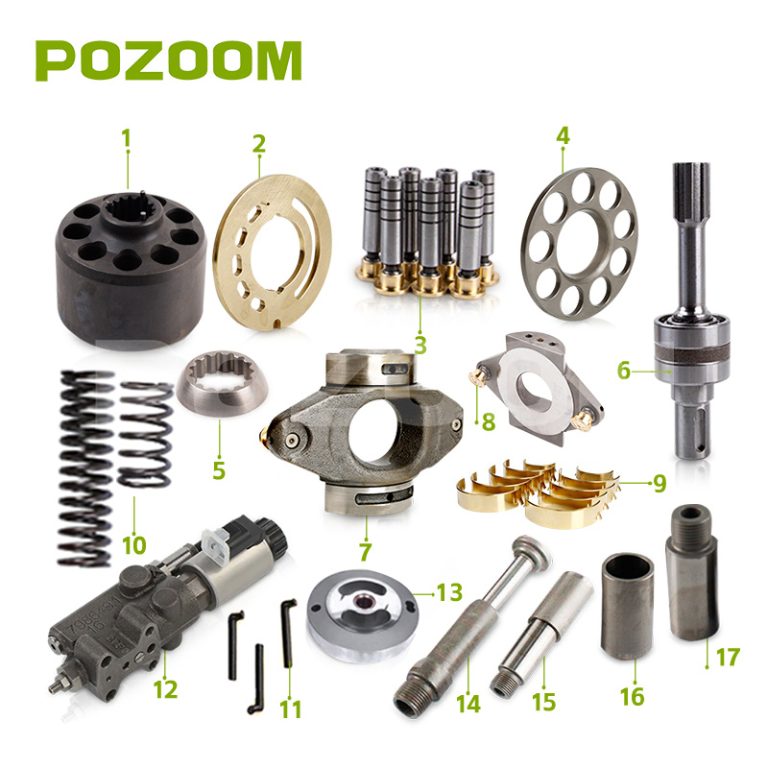
$30.00
$20.00
$480.00
$450.00
$30.00
$20.00


