
80% of hydraulic equipment failures trace back to contaminated fluid. Your $15,000 excavator pump just failed after six months—and the shop that “fixed” it never flushed your system.
This isn’t rare. Forums overflow with operators who replaced pumps two, three, even four times because repair shops treated symptoms instead of causes. One contractor spent $47,000 on pump replacements across 18 months before discovering metal shavings from the original failure were still circulating through lines nobody thought to clean.
The question isn’t just where to service your hydraulic pump—it’s how to find providers who understand that pump failure is almost never about the pump alone. It’s about fluid contamination, system pressure spikes, heat dissipation, and installation procedures that 60% of shops skip because they add two hours to turnaround time.
Here’s what actually matters when your pump starts making that ominous whining sound.
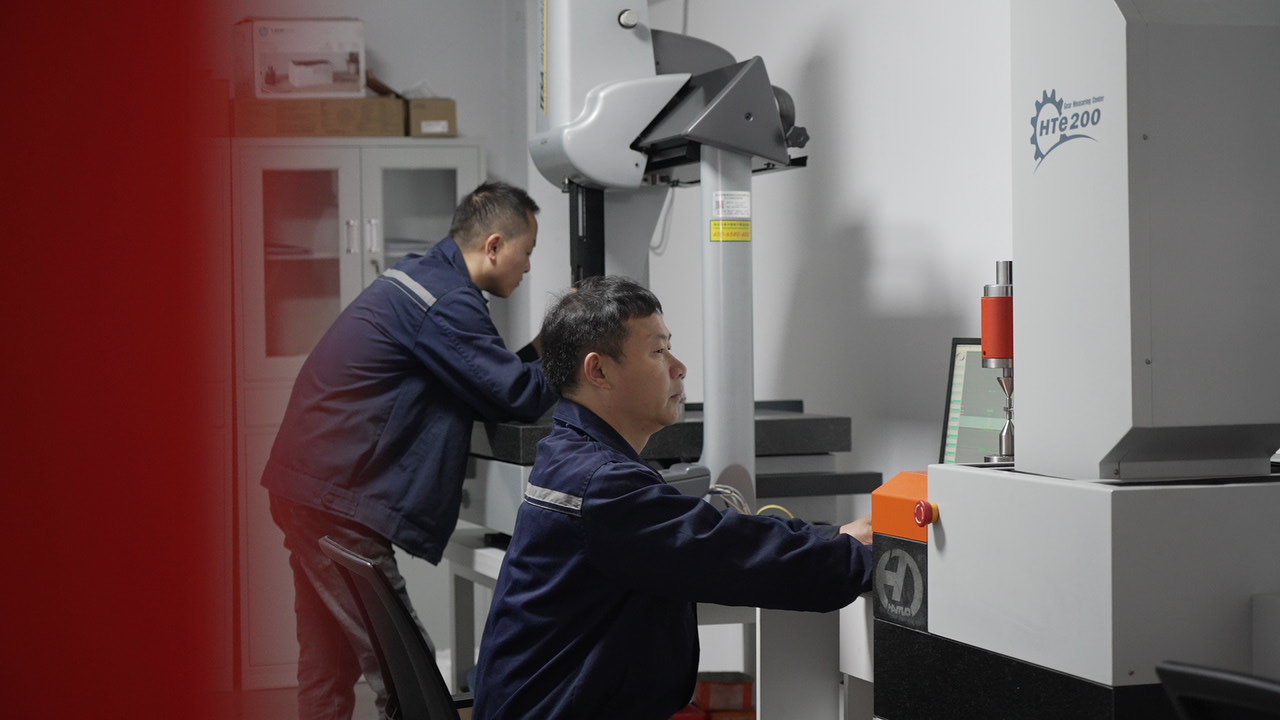
Hydraulic pump service exists in three operational models, each suited to different failure scenarios, budgets, and operational constraints.
These facilities specialize exclusively in hydraulic components. A typical shop maintains:
Cost range: $800-$4,500 for complete pump rebuild, depending on pump type and size.
Turnaround time: 2-7 business days for in-stock repairs; 10-14 days for custom parts.
Metro Hydraulic in Newark operates a 20,000-square-foot facility with separate testing and reconditioning shops. Their diagnostic process includes stripping the pump completely, measuring component wear against OEM specifications, and pressure testing under load conditions before any unit leaves the facility.
The advantage: Deep expertise in hydraulic systems means they identify cascading failures. When a pump comes in with worn gears, technicians check system pressure settings, filter condition reports, and fluid analysis to prevent repeat failures.
Best for: Industrial operations with multiple hydraulic machines, construction fleets, or scenarios where the pump failure cause is unclear.
Field service trucks arrive at your location equipped for diagnostics and repairs. These units typically carry:
Miller Hydraulic Service operates a fleet covering a 100-mile radius in Illinois and Indiana. Their trucks respond within 2-4 hours for priority calls and handle 70% of repairs without removing components from the machine.
Cost considerations: Service call fees ($150-$350) plus hourly rates ($85-$145/hour). However, you avoid:
One construction contractor saved $12,000 annually by switching to mobile service for their excavator fleet. The key: Field technicians identified a pattern of relief valve failures caused by operating procedures, eliminating repeat breakdowns through operator training rather than repeated pump replacements.
Best for: Heavy equipment that’s expensive to transport, remote job sites, or situations where immediate diagnosis prevents extensive downtime.
OEM service centers work directly through equipment manufacturers like Caterpillar, John Deere, or Komatsu. These facilities offer:
Trade-offs: Pricing runs 20-40% higher than independent shops. A Caterpillar hydraulic pump repair quoted at $6,800 through a dealer cost $3,900 at an independent shop (same OEM parts, both with warranties).
However, for equipment under warranty or with complex electronic controls, OEM service may be mandatory to avoid warranty violations.
Best for: Equipment still under warranty, machines with integrated electronic controls, or situations where documentation of OEM service is required for resale value.
Any shop that doesn’t test your hydraulic fluid before starting repairs is gambling with your money. Fluid contamination causes 80% of hydraulic failures, according to
industry research.
Ask prospective shops:
Quality shops test for:
Red flag: Shops that quote pump repairs without asking about your fluid maintenance history or offering contamination testing.
The hydraulic pump failure that brought you in scattered metal particles throughout your entire system. Without proper flushing, these contaminants destroy the replacement pump—usually within 25-100 operating hours.
One tractor operator replaced three front-mounted hydraulic pumps in six months. The fourth shop insisted on flushing the system before installing the new pump. That repair has lasted three years.
Essential questions:
Professional flushing involves:
Cost: $400-$1,200 depending on system size. Value: Prevents $3,000-$15,000 in repeat pump failures.
Proper pump testing requires measuring performance under actual operating loads. Without load testing, shops can’t verify:
Must-ask question: “What test stand specifications do you use, and can I see the test data for my pump?”
Reputable facilities provide:
Wooster Hydrostatics tests all pumps on stands rated to 6,000 PSI and 100 GPM, providing customers with detailed performance reports documenting that repairs meet or exceed factory specifications.
Warning sign: Shops that can’t or won’t provide test data. Bench testing (running pumps without load) catches obvious failures but misses issues that appear only under operating pressure.
Advantages:
Limitations:
Vetting strategy: Request references for your specific pump brand and type. A shop excellent at fixing Bobcat pumps may struggle with complex piston pumps from Rexroth.
The sweet spot for many operations. These facilities handle volume from multiple states, allowing them to:
Shipping considerations: Most regional shops offer:
Precision Fluid Power services customers nationally with 1-3 day turnaround on common pumps. Their core exchange program means a replacement pump ships the same day they receive your repair request.
Cost analysis: A $150 shipping charge seems expensive until you compare it to $1,200/day in equipment downtime.
Companies like Global Electronic Services operate repair facilities in multiple regions. Benefits include:
Trade-off: Less personal service, higher baseline costs. Best for large fleets needing standardized service across geographic regions.
These complex pumps require shops with specific expertise:
Critical capabilities:
Common failure modes: Swash plate wear, piston ring degradation, control valve problems. Generic hydraulic shops often misdiagnose these as “catastrophic failure” requiring complete replacement when specific components are actually repairable.
What to look for: Ask about piston pump repair volume. Shops handling 50+ piston pumps annually develop the expertise and parts relationships needed for cost-effective repairs.
The most common hydraulic pump type—and often the most incorrectly diagnosed as “not economically repairable.”
Truth: Gear pumps with worn housings are indeed challenging to repair economically. However, pumps with gear wear but intact housings are highly repairable at 30-40% of replacement cost.
Key question: “Do you measure housing wear, or do you automatically recommend replacement if gears show wear?”
Quality shops measure housing bore wear to determine repairability rather than making assumptions.
These pumps require particular attention to:
Service cost: $600-$2,400 depending on model. High-end vane pumps (Vickers V10, V20 series) justify rebuilding; low-cost pumps may cost more to rebuild than replace.
Professional shops don’t just fix pumps—they determine why they failed. Expect questions about:
If a shop quotes a repair without asking these questions, leave. They’re setting you up for repeat failures by addressing symptoms rather than causes.
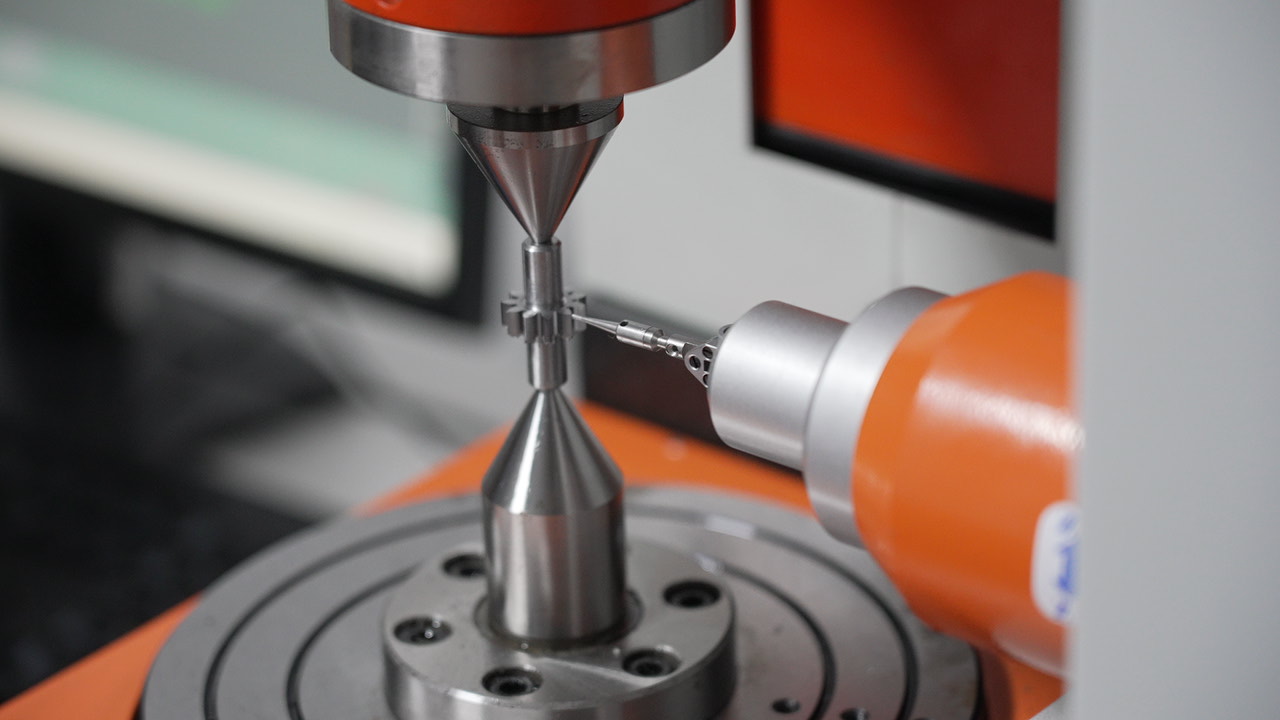
Read warranty fine print carefully. Some shops void warranties if:
Reasonable warranty terms:
Unfair terms:
Emergency repairs cost more—that’s reasonable. However, some shops charge premium “rush” fees while maintaining normal turnaround times.
Fair practice: Rush fee ($200-$500) for documented expedited service (24-48 hour turnaround vs. normal 5-7 days).
Exploitative practice: $400 “express service” charge with no actual change in turnaround time.
Reputable shops welcome customer visits. If you’re investing $3,000+ in a pump rebuild, you should see:
Virtual tours: Many shops now offer video walkthroughs for distant customers, showing their testing procedures and quality standards.
Refusal to provide transparency suggests:
Typical range: $75-$250
What’s included: Visual inspection, basic testing to identify failure mode, often credited toward repair cost if you approve the work.
Red flag: Shops charging diagnostic fees but refusing to provide detailed failure analysis or repair recommendations in writing.
Professional shops itemize:
Example repair breakdown for mid-size piston pump:
Core charges: $500-$2,000 (refunded when you return the failed pump, but you need cash flow to cover it initially)
Environmental fees: $25-$75 for fluid disposal
Freight: $85-$200 each direction if shipping
Rush surcharges: $200-$500 for 24-48 hour service
System flushing: $400-$1,200 (often essential but quoted as “optional”)
Reality check: A quoted “$1,800 pump rebuild” can become $2,600 with necessary extras. Ask for all-inclusive pricing upfront.
When a pump fails and you need immediate decisions:
Best option: Mobile field service
Why: 2-4 hour response vs. days for shop service. Even if the mobile technician can only diagnose the problem and order parts, you’ll know whether to rent replacement equipment or can limp along temporarily.
Cost premium: $300-$600 vs. shop service, but potentially saves $2,000+ in daily equipment rental.
Best option: Regional specialist shop with expedited service
Why: Balance between quality repairs and reasonable turnaround. Core exchange programs mean you can install a rebuilt pump immediately while your pump gets properly repaired.
Timeline: Same-day shipment of core exchange pump, your pump completed and returned within 5-7 days.
Best option: Specialist shop with engineering analysis capabilities
Why: Pattern failures indicate system problems, not pump problems. These shops analyze operating conditions, system design, and maintenance practices to identify the actual cause.
Investment: $500-$1,500 for comprehensive analysis, but eliminates the cycle of replacing pumps every 6-12 months.
Waiting for catastrophic failure is the expensive approach. Strategic preventive service costs 60-70% less than emergency repairs.
Most hydraulic pumps benefit from inspection and seal replacement at:
Preventive service costs: $400-$1,200 for inspection, seal replacement, and testing.
Catastrophic failure costs: $2,000-$8,000 for complete rebuild after pump destroys internal components.
Service before failure when you notice:
Pressure loss: System requires higher input (RPM) to maintain previous performance levels—indicates internal wear allowing bypass.
Noise changes: New whining (cavitation warning) or knocking (aeration or mechanical wear) sounds require immediate attention.
Heat increase: Pump running 15-20°F hotter than historical norms suggests internal wear increasing friction.
Fluid consumption: Increased makeup fluid requirements indicate internal or external leakage.
Cost: $25-$45 per sample
Frequency: Every 250-500 operating hours
What it catches: Bearing wear (iron content), seal degradation (silicon content), overheating (viscosity changes), contamination (particle counts).
ROI: One major manufacturer found that oil analysis programs reduced hydraulic component failures by 68% and extended average component life by 2,600 hours.
Demand and retain:
Failure analysis report: What failed, why it failed, what could have prevented it
Parts replacement list: Specific parts replaced with part numbers
Test results: Before/after performance data showing repair restored OEM specifications
Fluid analysis: Pre-repair fluid condition documentation
Work photos: Visual evidence of failure mode and repair quality
Warranty terms: Complete written warranty with all conditions clearly stated
Why this matters: When repeat failures occur, this documentation is essential for warranty claims and identifying patterns that indicate system problems rather than component problems.
Most repairs require 3-7 business days at dedicated shops. Core exchange programs provide an immediate replacement pump while yours is repaired. Mobile field service can complete simple repairs (seal replacement, minor component swaps) in 2-4 hours on-site. Complex rebuilds requiring custom parts may need 10-14 days.
Basic seal replacement is possible with mechanical aptitude and proper tools. However, internal repairs require precision measurement equipment, clean assembly environments, proper testing capability, and source for OEM-specification parts. Most DIY pump repairs fail within 50-200 hours due to improper assembly tolerances or contamination during assembly. Unless you have professional equipment, major repairs should be left to qualified shops.
Mobile service adds $150-$350 in call-out fees plus typically $85-$145/hour for labor. However, you avoid transportation costs ($200-$800 for heavy equipment), rigging fees ($300-$1,500), and downtime during transport. For immobile equipment or urgent repairs, mobile service often costs less overall despite higher hourly rates. For complex repairs requiring extensive parts or specialized equipment, removing the pump for shop service may be more economical.
Essential questions include: (1) What is your testing procedure and can you provide test results? (2) Do you perform fluid analysis before repairs? (3) What is your system flushing protocol? (4) What are your complete warranty terms? (5) Can you provide references for repairs on my specific pump brand? (6) What are hour/day turnaround times? (7) Do you offer core exchange programs? (8) What are all costs including potential extras?
Repair makes sense when: repair cost is less than 50-60% of replacement cost, the pump is less than 10-15 years old, OEM parts are readily available, and system analysis shows the failure was isolated. Replace when: repair costs exceed 60% of replacement cost, the pump has had multiple failures, parts are obsolete or hard to source, or system analysis reveals ongoing conditions that will cause repeat failures.
Start by asking equipment dealers and other operators in your industry for recommendations. Check online reviews, but focus on detailed reviews describing actual experiences rather than star ratings alone. Contact potential shops and assess their responsiveness and technical knowledge during initial conversations. Request customer references, particularly for repairs on your pump type. If possible, visit the facility or request a virtual tour. Verify they have appropriate testing equipment for your pump specifications.
Research indicates 80% of hydraulic failures relate to fluid contamination from dirt, metal particles, or water. Other common causes include: inadequate fluid levels causing cavitation, excessive heat from poor fluid viscosity or cooling issues, over-pressurization from relief valve problems, improper installation or alignment, human error in maintenance or operation, and simple wear from extended service hours. Most catastrophic failures result from multiple factors, not single causes.
Your hydraulic pump stopped working, but the underlying question isn’t mechanical—it’s economic. You’re trying to minimize total cost: repair cost plus downtime cost plus the cost of future repeat failures.
The service location matters less than the service provider’s approach. A shop 200 miles away that performs fluid analysis, system flushing, and load testing will save you money compared to a local shop that swaps parts without addressing contamination.
Three actions protect your investment:
Document everything. Photograph failed components. Keep fluid analysis results. Maintain service records. When pattern failures emerge, documentation reveals whether you have a pump problem, a service provider problem, or a system design problem.
Question assumptions. “Your pump is too far gone to rebuild” might be accurate—or might reflect a shop’s limitations rather than the pump’s condition. Second opinions cost little compared to unnecessary replacements.
Calculate total cost, not just repair cost. The $1,400 local repair that takes 12 days might cost more than the $2,000 regional specialist repair that’s completed in 3 days if your downtime cost is $400/day.
The hydraulic pump service market is fragmented, with quality varying dramatically between providers. Your decision quality depends on asking the right questions before committing to a service provider rather than choosing based on price alone or geographic convenience. The lowest quote from a shop without testing capabilities will almost certainly cost you more in the long run.


