
Hydraulic systems are used to convert fluid pressure into mechanical force for applications requiring high power output and precise control. These systems operate across construction, manufacturing, aerospace, agriculture, and transportation, powering everything from excavators and aircraft brakes to industrial presses and vehicle steering.
Hydraulic systems excel where raw mechanical strength meets precision requirements. The fundamental reason these systems appear in diverse applications traces back to Pascal’s Law: pressure applied to confined fluid transmits equally throughout the system, enabling a small input force to generate substantially larger output force. This multiplication effect reaches pressures exceeding 7,000 PSI in heavy equipment applications.
Modern hydraulic implementations range from massive 200-ton excavators to microsurgical instruments. The versatility stems from three core advantages that mechanical or electrical systems struggle to match simultaneously: exceptional power density (delivering massive force through compact components), instantaneous force transmission without gear reduction losses, and infinitely variable control across the entire force spectrum.
The global hydraulics market, valued at $44.08 billion in 2024, reflects this technology’s widespread adoption. North America holds approximately 27% market share, driven primarily by construction and industrial automation demands. Mobile hydraulics alone accounts for 58% of the total market, underscoring the technology’s dominance in equipment requiring both mobility and power.
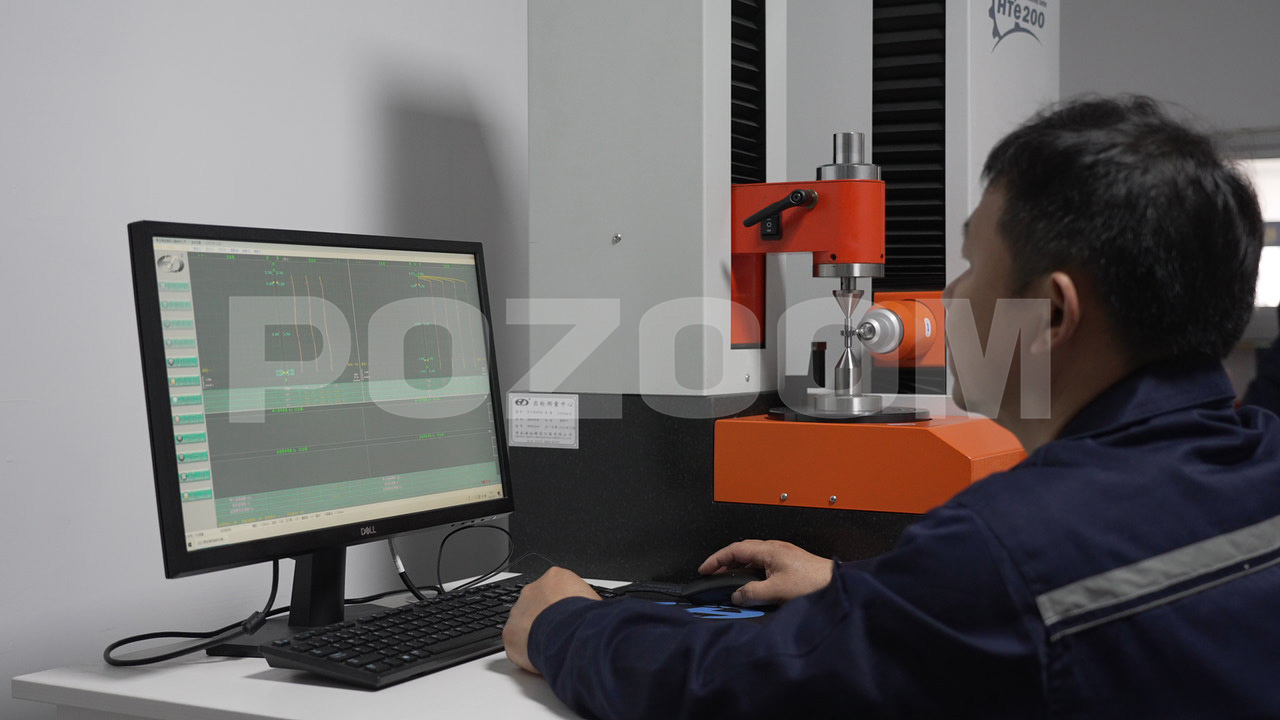
Construction equipment represents the single largest application category for hydraulics, commanding 39% of the global market. This dominance reflects the industry’s fundamental requirements: moving massive loads, achieving precise positioning, and operating reliably in harsh environmental conditions.
Hydraulic excavators exemplify the technology’s capabilities. A modern excavator employs multiple hydraulic circuits working in coordination. The boom, stick, and bucket each operate through independent double-acting cylinders, while swing motion utilizes hydraulic motors. This configuration allows operators to manipulate loads exceeding 20 tons with fingertip control precision.
The 1960s marked a watershed when construction manufacturers transitioned from cable-and-winch systems to hydraulics. The shift wasn’t gradual—once Caterpillar, Komatsu, and other major manufacturers demonstrated hydraulics’ reliability advantages, the industry never looked back. Cable systems required constant tension adjustment and suffered frequent failures under load. Hydraulic actuators, by contrast, maintain consistent force regardless of arm extension or load position.
India’s Ministry of Road Transport announced plans in March 2024 to construct 12,000 km of national highways by March 2025, directly boosting demand for hydraulic excavators, graders, and rollers. Similar infrastructure initiatives across Asia-Pacific drive the region’s projected 4.4% CAGR through 2032, outpacing all other markets.
Crane applications demonstrate hydraulics’ capacity for controlled force application. Truck-mounted cranes use hydraulic cylinders for outrigger deployment, boom extension, and load rotation. The Rotex gear—which enables 360-degree rotation—operates through hydraulic motors generating smooth, controllable motion even when supporting multi-ton suspended loads.
Telescopic hydraulic cylinders in boom cranes extend reach through nested stages. A six-stage telescopic cylinder might compress to 3 meters but extend to 18 meters, providing vertical reach impossible with fixed-length components. Each stage receives proportional hydraulic pressure, ensuring uniform extension and preventing binding.
Bulldozers, graders, and compactors rely on hydraulics for blade positioning and ground engagement control. Operator inputs through joysticks or levers adjust hydraulic valve positions, modulating fluid flow to cylinders. This enables blade angle adjustments measured in fractions of degrees—precision essential for modern grade control systems.
When coupled with GPS positioning and laser leveling, hydraulic-controlled blades achieve accuracy within 1-2 centimeters over hundreds of meters. Such precision was unattainable with mechanical linkage systems that dominated pre-1960s equipment.
Manufacturing applications consume approximately 28% of hydraulic equipment production. These systems provide the controlled force necessary for metal forming, plastic molding, and material processing.
Hydraulic presses in metalworking facilities generate forces from 100 tons to over 10,000 tons. Unlike mechanical presses that deliver force through flywheel energy, hydraulic presses maintain constant pressure throughout the stroke. This characteristic proves essential for deep drawing operations where metal must flow gradually without tearing.
The automotive industry uses hydraulic presses for body panel stamping. A single press might form a complete door panel in one stroke, applying 2,000 tons of force distributed across a die surface measuring several square meters. The hydraulic system holds this pressure precisely at the bottom of stroke, ensuring consistent part dimensions batch after batch.
Plastic injection molding machines inject material at pressures reaching 20,000-30,000 PSI. Hydraulic systems provide both clamping force (holding mold halves together) and injection pressure (forcing molten plastic into cavities). Modern machines use variable displacement pumps that adjust flow based on cycle requirements, reducing energy consumption by up to 40% compared to fixed-displacement systems.
The clamping force must overcome injection pressure attempting to separate mold halves. For large parts, this requires 1,000+ tons of clamping force generated by hydraulic cylinders acting on toggle mechanisms or directly on platens.
Hydraulic actuators integrate into automated production lines where force and speed requirements vary continuously. Material handling systems use hydraulic grippers capable of adjusting clamping force based on part fragility—enough pressure to secure the workpiece without crushing delicate components.
Paper mills, steel processing plants, and automotive assembly lines employ hydraulic systems for operations requiring both power and programmable control. A robotic arm in an automotive plant might use electric motors for positioning but hydraulic actuators for the actual riveting or welding force application.
Aircraft hydraulic systems operate at 3,000-5,000 PSI, substantially higher than most ground equipment. This pressure enables compact actuators that fit within wing structures and fuselage spaces where size and weight directly impact performance.
Primary flight controls—ailerons, elevators, and rudders—on commercial aircraft operate through redundant hydraulic circuits. A Boeing 737, for example, employs three independent hydraulic systems. Pilots’ control inputs send electrical signals to servo valves that meter hydraulic flow to actuators positioned at each control surface.
The force required to deflect a 737’s elevator at cruise speed exceeds 10,000 pounds. Mechanical linkages capable of transmitting such forces from the cockpit would add unacceptable weight. Hydraulic systems transmit the necessary force through lightweight tubes and flexible hoses.
Landing gear retraction and extension mechanisms use hydraulic cylinders working against substantial aerodynamic forces during flight. The gear must lock in both up and down positions, accomplished through hydraulic over-center mechanisms that become mechanically locked once fully extended or retracted.
Aircraft brakes employ multiple hydraulic pistons per wheel, applying clamping force to carbon or steel brake discs. Anti-skid systems modulate hydraulic pressure thousands of times per second, optimizing braking force without locking wheels—essential when landing a 300,000-pound aircraft at 150 knots.
Defense applications span from vehicle suspensions to weapon systems. The M1 Abrams tank uses hydropneumatic suspension that adjusts ground clearance and absorbs shock from rough terrain while maintaining gun stability. Artillery systems employ hydraulic recoil mechanisms that absorb firing forces exceeding 100,000 pounds, allowing the gun to return to battery position automatically.
Agricultural hydraulics has grown to represent the second-largest mobile hydraulics application, with material handling equipment projected to surpass agriculture by 2026. Farm equipment employs hydraulics for implement control, harvesting mechanisms, and power delivery to attachments.
Modern tractors feature three-point hitch systems that hydraulically raise and lower implements. Draft control systems automatically adjust implement depth based on engine load, using hydraulic cylinders to raise the plow or disk when soil resistance increases. This automation reduces operator fatigue and maintains consistent working depth across varying field conditions.
Hydraulic remote valves on tractors supply pressurized fluid to implements. A tractor might provide six or more hydraulic circuits for controlling functions like bale wrapper rotation, fertilizer spreader gates, or planter row unit pressure.
Combine harvesters use hydraulics throughout the machine. The header (cutting platform) raises and lowers hydraulically, with ground-following sensors automatically adjusting height to maintain optimal cutting position. Internal mechanisms—feeder house angle, concave clearance, sieve opening—adjust through hydraulic actuators controlled from the operator station.
Cotton pickers employ hydraulic motors to drive picking units at precise speeds. The picking mechanism must maintain specific spindle rotation rates independent of ground speed, accomplished through hydraulic motors that adjust speed based on electronic signals.
Center pivot irrigation systems originally used water pressure for movement, but modern systems employ hydraulic drives. Hydraulic motors at each tower wheel provide independent speed control, essential for maintaining proper alignment as the system traverses sloped or irregular terrain.
While electric systems dominate modern automotive applications, hydraulics remain essential for specific high-force functions where electrical alternatives cannot match performance or cost-effectiveness.
Hydraulic brakes on automobiles multiply the force from the driver’s foot to generate clamping pressures exceeding 1,000 PSI at the wheel cylinders. The master cylinder—essentially a small hydraulic pump operated by foot pressure—sends fluid through steel lines to brake calipers or wheel cylinders.
Brake-by-wire systems on electric vehicles still employ hydraulics for the actual clamping mechanism. The “by-wire” aspect refers to electronic control of hydraulic pressure rather than direct mechanical connection from the pedal.
Hydraulic power steering systems use an engine-driven pump to assist steering effort. When the driver turns the wheel, a rotary valve directs pressurized fluid to one side of a hydraulic cylinder or steering rack piston, providing force assistance proportional to steering input.
Electric power steering has largely supplanted hydraulics in passenger vehicles due to improved efficiency. However, commercial vehicles and heavy trucks continue using hydraulic steering for its superior force capability and reliability under sustained high-load operation.
Dump trucks employ telescopic hydraulic cylinders to raise beds loaded with 20+ tons of material. The cylinders must generate sufficient force to overcome gravity and material stickiness while maintaining controlled descent during lowering. Multi-stage telescopic designs provide the extended length necessary for high-side dump bodies while retracting to compact dimensions during travel.
Garbage trucks use hydraulic systems for packer mechanisms, hopper operations, and container lifting. A rear-loader packer might cycle 1,000+ times daily, compressing waste to 25% of its original volume through hydraulically-actuated sweep blades and packer plates.
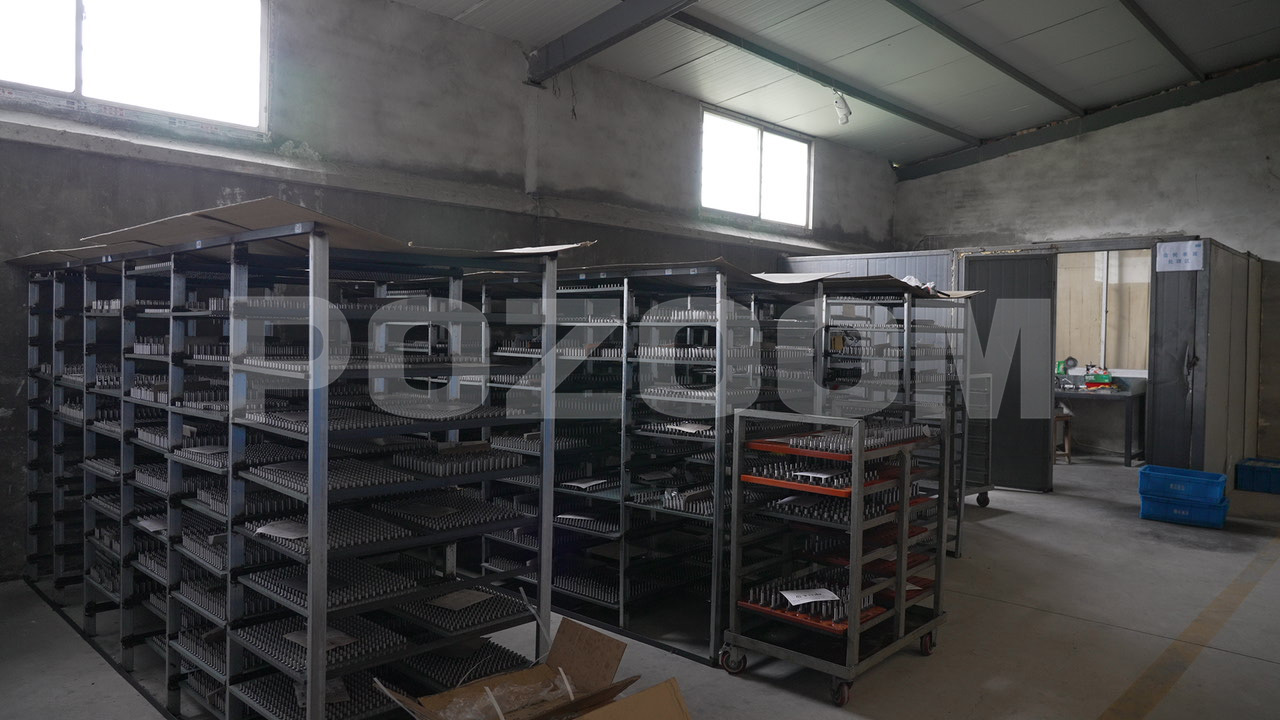
Warehouses and distribution centers depend on hydraulic equipment for load movement, stacking, and retrieval operations.
Forklift mast cylinders raise loads to heights exceeding 10 meters while maintaining precise positioning control. Double-acting cylinders provide powered motion in both directions, with load-lowering controlled through regulated fluid drain from the cylinder. This prevents free-fall accidents while allowing controlled descent speed.
Hydraulic tilt cylinders on forklifts adjust mast angle forward or backward. Forward tilt facilitates load pickup, while backward tilt stabilizes loads during transport. Side-shift mechanisms use hydraulic cylinders to move forks laterally without repositioning the entire vehicle.
Hydraulic dock levelers bridge the gap between warehouse floors and truck beds. When a truck backs to the dock, the operator activates the leveler, which hydraulically raises then extends to rest on the truck bed. Counterbalance springs assist the hydraulic system during raising, reducing energy consumption.
Freight elevators in warehouses commonly use hydraulic systems for lifting platforms. A hydraulic cylinder extends from a below-ground pit, pushing the platform upward. For heights exceeding 15 meters, multiple stages or wire rope systems (with hydraulic hoisting machinery) become more practical.
Beyond the major categories, hydraulics enables unique applications where its characteristics align precisely with operational requirements.
Hydraulic roof supports in underground mining protect workers by applying upward pressure against mine ceilings. These supports adjust pressure automatically as roof settling occurs, maintaining safety margins. Hydraulic fluid provides the medium for transmitting force across articulated structures that must fit through confined mine passages.
Hydraulic fracturing (fracking) pumps pressurize water and additives to 10,000+ PSI for injecting into oil and gas wells. Multiple truck-mounted pumps work in parallel to achieve the volume and pressure necessary for fracturing formations thousands of feet underground.
Ship steering systems on vessels over 1,000 tons typically employ hydraulics to rotate rudders against water forces. At 20 knots, water pressure on a rudder can exceed 50,000 pounds—far beyond manual capability. Hydraulic steering gear uses multiple cylinders or rotary actuators controlled from the bridge.
Offshore drilling platforms use hydraulic systems for draw works (drill string lifting), blow-out preventers (emergency well closure), and crane operations. These applications require operation in corrosive marine environments while maintaining absolute reliability—system failures can result in environmental disasters or loss of life.
Theater stage elevators and orchestra pit lifts operate through hydraulic cylinders beneath the stage floor. These systems provide smooth, quiet motion essential for theatrical productions. Load capacities range from a few hundred pounds for small lifts to 50+ tons for full-stage elevators that move entire set pieces.
Theme park rides increasingly employ hydraulics for launch systems and motion simulation. Hydraulic actuators can generate the acceleration forces necessary for coaster launches while maintaining precise positioning for animatronic figures and motion platforms.
The hydraulic industry, while mature, continues evolving in response to electrification pressures, sustainability requirements, and digitalization opportunities.
Pure electric actuators are replacing hydraulics in smaller equipment where power requirements fall below hydraulic advantages. JLG’s Davinci AE1932 electric scissor lift uses electromechanical actuators instead of hydraulic cylinders, eliminating fluid maintenance and leak potential in applications with lifting capacities under 2,000 pounds.
Heavy equipment manufacturers are adopting hybrid approaches that combine electric drive trains with hydraulic work functions. Electric motors drive hydraulic pumps more efficiently than traditional mechanical PTO systems, while retaining hydraulics for functions requiring high force density.
Hydraulic systems with embedded sensors now monitor pressure, temperature, and contamination in real-time. Bosch Rexroth’s cyber-physical hydraulic actuators launched in October 2024 include built-in diagnostics and feedback capabilities, enabling predictive maintenance strategies.
Eaton’s cloud-based predictive maintenance platform, introduced in June 2023, reduces unscheduled downtime by up to 40% through early fault detection. Sensors identify abnormal pressure patterns, temperature deviations, and fluid contamination before component failures occur.
Variable displacement pumps now standard in mobile equipment adjust output based on demand rather than running continuously at maximum flow. This reduces fuel consumption by 15-30% compared to fixed-displacement systems.
Biodegradable hydraulic fluids based on vegetable oils or synthetic esters address environmental concerns in forestry, marine, and agricultural applications. These fluids reduce contamination risk when leaks occur in environmentally sensitive areas, though they typically cost 50-100% more than petroleum-based alternatives.
Choosing hydraulics over electrical, mechanical, or pneumatic alternatives depends on specific application requirements evaluated across multiple dimensions.
Applications requiring sustained forces exceeding 5,000 pounds in compact spaces favor hydraulics. A hydraulic cylinder generating 10 tons of force might weigh 50 pounds and measure 6 inches in diameter. An equivalent electric linear actuator would weigh several hundred pounds and require substantially more mounting space.
Power density calculations for heavy construction equipment demonstrate hydraulics’ advantage. A hydraulic pump weighing 80 pounds might deliver 50 horsepower continuously. Achieving equivalent power output from electric motors requires several hundred pounds of motor and battery capacity.
Applications requiring infinitely variable speed and force control across the full operational range benefit from hydraulics’ proportional control characteristics. Unlike mechanical systems with discrete gear ratios or pneumatic systems with compressibility challenges, hydraulics maintain precise positioning and force control.
Servo hydraulics systems achieve positioning accuracies under 0.01 millimeters in applications like machine tools and testing equipment. This combines hydraulics’ force capability with electronic precision control.
Hydraulics performs reliably in extreme temperatures where lubricants remain functional (-40°F to 200°F in many cases). Systems in Alaska and Middle Eastern deserts operate with appropriate fluid specifications, whereas electric systems might require heating or cooling protection.
Contamination sensitivity represents hydraulics’ primary weakness. Particles as small as 5 microns can damage precision components. Applications in dusty environments require extensive filtration, increasing maintenance requirements compared to electric alternatives.
Initial hydraulic system costs typically run 30-50% lower than equivalent electric systems for high-force applications. A 20-ton hydraulic press might cost $50,000, while an equivalent servo-electric press could exceed $150,000.
Operating costs shift the equation. Hydraulic systems require fluid changes, filter replacements, and seal maintenance. Electric systems minimize scheduled maintenance but involve higher energy costs in applications with extended idle periods where hydraulics can simply stop pumping.
Successful hydraulic applications share common design and maintenance approaches that maximize reliability and minimize total cost of ownership.
Proper reservoir sizing—typically 3-5 times pump flow rate per minute—ensures adequate heat dissipation and allows contaminants to settle. Undersized reservoirs lead to overheating and accelerated component wear.
Fluid velocity in suction lines should remain below 4 feet per second to prevent cavitation. Return lines typically accommodate 10 feet per second maximum. Exceeding these velocities causes noise, heat generation, and premature component failure.
Filtration at 10-micron absolute removes particles before they reach sensitive components. Breather filters on reservoirs prevent contamination ingress from environmental dust. Systems operating in extremely dusty conditions benefit from pressurized reservoirs with filtered air inlets.
Regular fluid analysis identifies contamination trends and degradation patterns. ISO cleanliness codes quantify particle counts at different size ranges, enabling comparison against manufacturer specifications.
Fluid replacement intervals depend on operating conditions but generally range from 1,000-4,000 hours. Extended intervals risk fluid degradation that accelerates wear. Some systems employ continuous filtration with periodic fluid sampling rather than complete changes.
Seal replacement follows manufacturer schedules but varies based on cycle counts and operating pressures. High-cycle applications (100,000+ cycles annually) require seal inspection at shorter intervals than occasional-use equipment.
Temperature monitoring provides early warning of system issues. Fluid temperatures exceeding 180°F accelerate seal degradation and fluid oxidation. Identifying heat sources—excessive pressure drop, internal leakage, undersized coolers—prevents cascading failures.
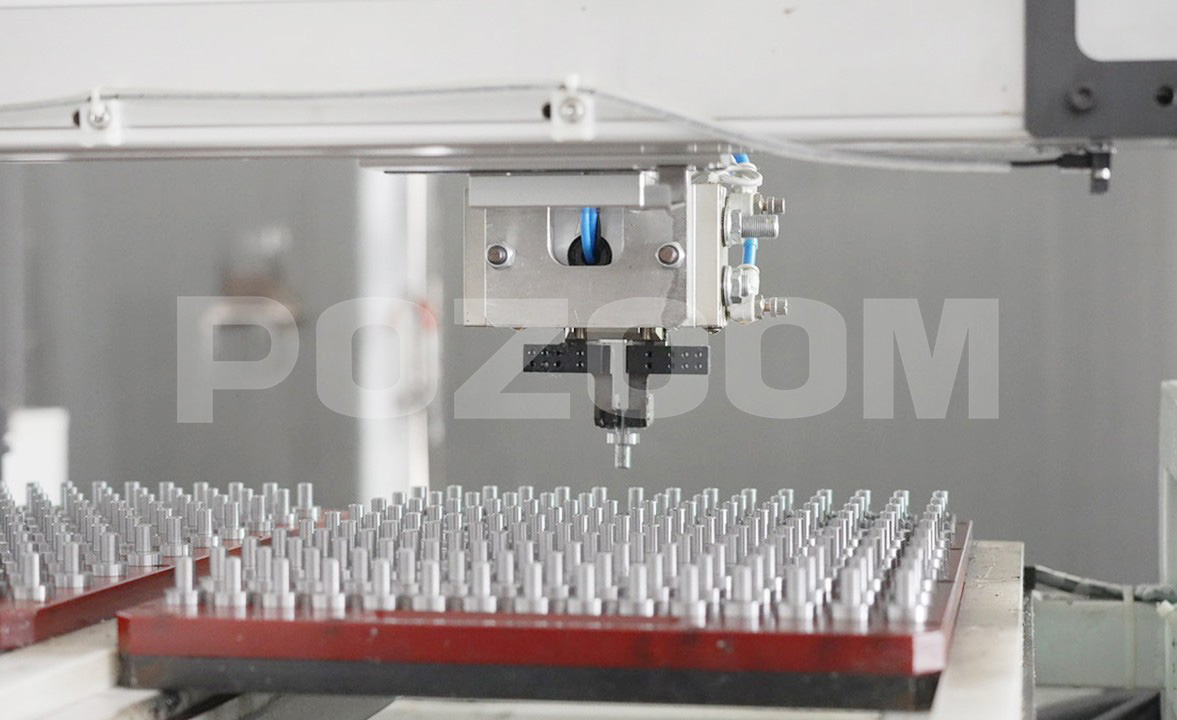
Construction equipment represents the dominant application, accounting for 39% of global hydraulic equipment consumption. Manufacturing applications (metal forming, plastics processing) comprise approximately 28% of the market, while mobile equipment in agriculture, mining, and material handling makes up most of the remaining demand. Within these sectors, hydraulics enable operations requiring both high force and precise control—capabilities that mechanical or electrical systems cannot match cost-effectively.
Well-maintained hydraulic systems operate reliably for 10,000-15,000 hours before major component replacement. Pumps and motors represent the highest-wear items, typically requiring rebuild or replacement at these intervals. Cylinders in lower-cycle applications might achieve 20,000+ hours, while seals require replacement every 3,000-8,000 hours depending on operating conditions. Contamination control and proper fluid maintenance significantly impact service life—systems with inadequate filtration often fail at half the expected lifespan.
Partial displacement is occurring in low-force applications. Electric scissor lifts and small forklifts now commonly use electric actuators where lifting capacity remains under 2,000 pounds. However, heavy equipment manufacturers project hydraulics will dominate high-force applications through 2035 minimum. Construction excavators, large agricultural machinery, and industrial presses show no viable path to electrification—the power density requirements exceed current electric motor and battery capabilities by factors of 3-5X.
Contamination accounts for 80-90% of system failures. Solid particles damage seals, score cylinder walls, and cause pump wear. Air contamination creates cavitation that erodes metal surfaces and causes erratic operation. Water contamination promotes corrosion and reduces lubricating properties. Temperature-related failures represent the second major cause—operating above 180°F accelerates all degradation mechanisms. Human error during installation or maintenance contributes to many failures through incorrect fluid selection, improper installation, or inadequate system flushing.
Hydraulic systems remain the dominant solution for applications combining high force requirements with spatial constraints. While electrification advances and hydraulics retreats from low-force applications, the fundamental physics of force multiplication through fluid pressure ensures continued relevance in construction, heavy manufacturing, and mobile equipment.
Market projections through 2032 indicate modest but steady growth driven by infrastructure development in Asia-Pacific and automation expansion in manufacturing. The technology continues evolving through integration with electronic controls, IoT sensors, and energy-efficient components rather than wholesale replacement.
For engineers and equipment specifiers, understanding hydraulics’ strengths and limitations guides appropriate technology selection. Where compact, high-force actuators must operate reliably in harsh environments, hydraulics typically provides the optimal solution at the lowest total cost.
Market Data Sources:
Technical References:


