
Plunger pumps deliver high-pressure fluid transfer with 85-90% efficiency, significantly outperforming centrifugal alternatives that typically achieve 55-70%. This efficiency translates to roughly 40% lower energy consumption for equivalent flow rates, making them the preferred choice for applications requiring consistent pressure and precise flow control.
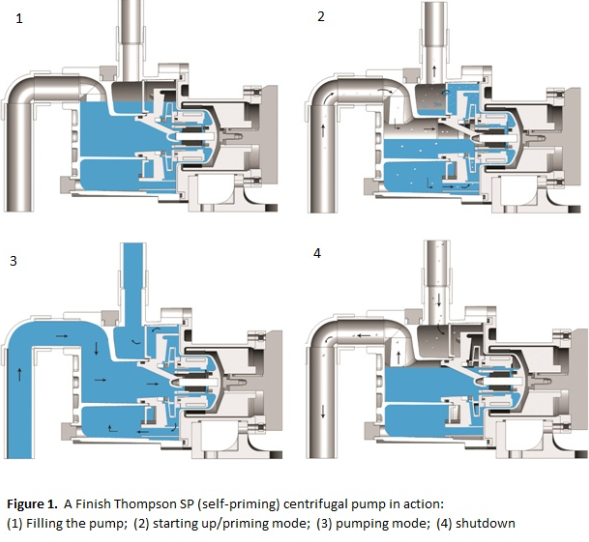
The efficiency gap between plunger pumps and centrifugal pumps creates substantial operational cost differences. While a centrifugal pump operating at 70% efficiency might seem adequate, plunger pumps maintain 85-90% efficiency throughout their operating range, with some units exceeding 90% due to mechanical efficiencies above 98%.
This performance difference compounds over time. Energy costs for centrifugal pumps typically run 1.4 to 1.9 times higher than reciprocating plunger pumps for the same application. Consider a facility operating pumps continuously—the energy savings from switching to plunger pumps can exceed the initial equipment cost within the first few years.
Over a 20-year cycle, energy costs for a typical 100-horsepower pump exceed 20 times the initial purchase and installation costs. This reality reshapes the cost equation. A plunger pump with a higher upfront price becomes economically superior when evaluated across its operational lifespan.
The efficiency advantage stems from fundamental design. Plunger pumps maintain 90-100% volumetric efficiency compared to centrifugal pumps that range from 0-100%, meaning plunger pumps lose only about 10% of flow when pumping against back-pressure, while centrifugal pumps can lose all flow when pressure climbs too high.
Plunger pumps operate effectively across pressure ranges from 70 to 2,070 bar (1,000 to 30,000 psi), handling applications where centrifugal pumps simply cannot function. This capability opens opportunities in oil and gas drilling, water jet cutting, chemical injection, and reverse osmosis systems.
The high-pressure advantage isn’t just about maximum ratings. Plunger pumps maintain consistent performance across their pressure range, whereas centrifugal pump efficiency degrades significantly at higher pressures. For applications requiring both high pressure and reasonable flow rates, plunger pumps can generate high flow rates while maintaining high operating pressure, unlike piston pumps which sacrifice flow for pressure.
Industries requiring precise pressure control benefit most from this characteristic. In chemical processing, where reaction rates depend on exact pressure maintenance, plunger pumps deliver the consistency that centrifugal designs cannot match. The pharmaceutical sector relies on this precision for dosing applications where accuracy impacts product quality and regulatory compliance.
Flow consistency distinguishes plunger pumps in applications where variability creates problems. Plunger pumps maintain stable flow through pressure regulators, dispensing liquids at steady, fixed rates due to rigid components. This predictability matters enormously in specific contexts.
Misting systems illustrate this advantage clearly. A misting pump producing ultra-fine droplets for cooling or dust suppression requires both high pressure and absolutely consistent flow. Unlike diaphragm pumps which can have inconsistent flow causing mister water to build up and drip from nozzles, piston pumps maintain consistent performance. The difference between a fine mist and dripping water determines whether the system works as intended.
Agricultural applications, soft washing, pest control, and disinfection all depend on precise chemical delivery. Inconsistent flow means inconsistent coverage, wasted materials, and compromised results. The rigid components in plunger pump design eliminate the variability inherent in flexible diaphragm systems.
The flow characteristic also supports metering applications. Plunger pumps enable precise control of dispense volume, making them ideal where high accuracy is required. In battery manufacturing, for example, electrolyte filling demands precision within 1% to ensure product quality. Plunger pumps deliver this accuracy while maintaining productivity.
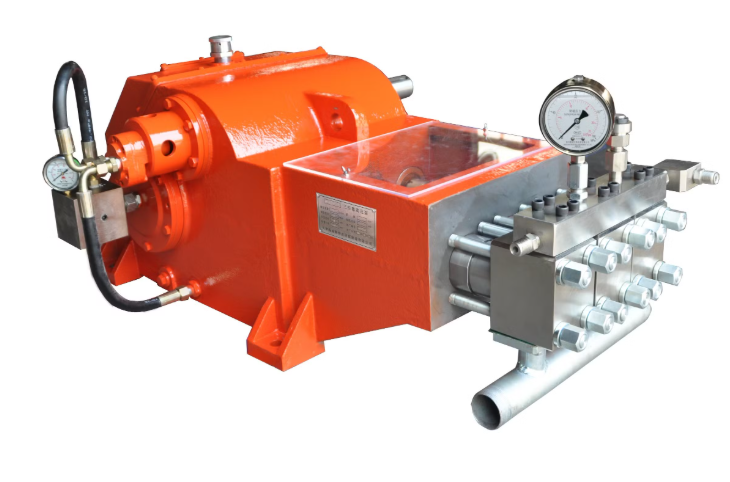
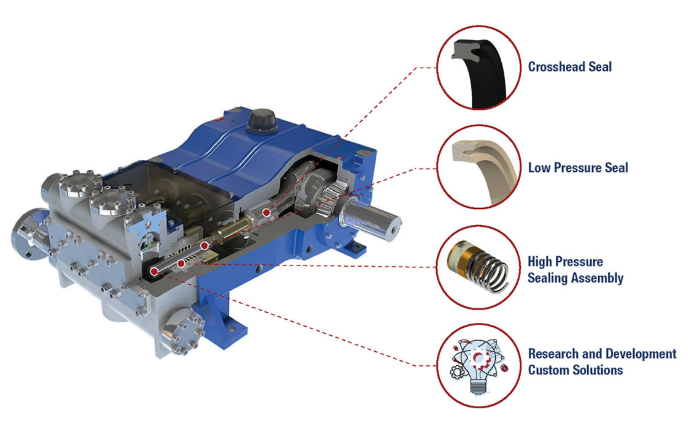
High-pressure plunger pumps demonstrate durability through their design and limited number of moving parts. The plunger itself, typically constructed from hard materials like ceramic, resists wear even in demanding service. Fewer moving parts mean fewer failure points and simpler maintenance procedures.
Field serviceability provides another practical advantage. Plunger packing, the plunger itself, and suction/discharge valves are expendable parts that are field repairable, and a trained mechanic can perform the job easily. This accessibility reduces downtime compared to pumps requiring specialized service or factory repairs.
The simple design translates to predictable maintenance schedules. Rather than unexpected failures, plunger pumps typically show gradual performance degradation that maintenance teams can address during planned outages. Wear patterns become familiar, replacement parts inventory requirements stay manageable, and maintenance costs remain relatively stable.
Material selection flexibility adds to longevity. Component materials including bronze, brass, steel, stainless steel, iron, nickel alloy, or other materials are chosen based on wear resistance and compatibility with the specific medium being pumped. For applications involving corrosive or abrasive fluids, appropriate material selection extends service life significantly.
Plunger pumps prime themselves, eliminating a significant operational constraint. Centrifugal pumps require priming—removing air from the pump chamber—to function properly. Without priming, they cannot generate suction or move fluid. This requirement complicates installation, limits placement flexibility, and creates operational vulnerabilities.
Self-priming capability means plunger pumps can operate above or below fluid level without pre-start procedures. This flexibility simplifies system design and reduces installation costs. In applications where pumps must handle intermittent flow or occasional air ingestion, self-priming becomes essential rather than merely convenient.
While never ideal for any pump, plunger pumps can run dry for short periods without damaging internal components. This forgiveness factor matters in real-world operations where conditions vary and perfect oversight isn’t always possible. The ability to survive brief dry-running episodes prevents catastrophic failures and extends equipment life.
The plunger pump market grew from $3.06 billion in 2024 to $3.17 billion in 2025 at a CAGR of 3.8%, demonstrating sustained industrial demand. This growth occurs despite higher initial costs compared to centrifugal alternatives, suggesting users recognize the total value proposition.
The oil and gas sector, where plunger pumps play crucial roles in well stimulation, chemical injection, and pipeline transportation, is projected to boost equipment demand by 20% over the next decade. Water treatment represents another growth driver, with global water treatment investments increasing by 15% annually.
The adoption pattern reveals strategic thinking. Industries don’t choose plunger pumps for every application—they deploy them where the combination of high pressure, consistent flow, and energy efficiency justifies the investment. The industrial segment dominates the market, with sectors like oil and gas, chemical processing, power generation, and manufacturing relying on plunger pumps for their ability to handle high-pressure, high-temperature, and corrosive environments.
Electric plunger pumps operate significantly quieter than gas-powered alternatives. Equipment using 12V motors runs much quieter than gas engines, creating advantages in noise-sensitive environments. Residential services, retail misting systems, and applications near occupied buildings benefit from this characteristic.
Pest control companies illustrate the practical impact. When clients prefer discreet service, loud gas engines draw unwanted attention. A quiet electric plunger pump system completes the work without advertising it to neighbors. Similarly, soft wash and lawn care operations can extend service hours beyond typical noise ordinance restrictions.
The quiet operation also improves working conditions for operators. Prolonged exposure to engine noise creates fatigue and potential hearing concerns. Electric systems reduce this burden, though they still require appropriate hearing protection in industrial settings.
Plunger pumps aren’t universal solutions. They are expensive compared to other pump types, typically used where high-pressure pumping and precise flow control are critical. For high-volume, low-pressure applications, centrifugal pumps often provide better value.
Plunger pumps have more components than centrifugal pumps, and as such, the price may be higher than centrifugal pumps of comparable size. This complexity, while manageable, means more potential service points and slightly higher parts inventory requirements.
Flow rate limitations exist. Plunger pumps have a limited flow rate compared to other pump types, typically used where high-pressure pumping is required at relatively low flow rates. Applications needing very high volumes without significant pressure requirements are better served by centrifugal designs.
The pulsating flow characteristic requires consideration in some applications. Pulsation in flow results from the alternate action of pistons within cylinders. While pulsation dampeners address this issue, the requirement adds system complexity and cost.
Fluid compatibility matters. Plunger pumps are not intended for use with fluids containing a lot of particulates. Applications involving slurries or fluids with significant solid content may damage plunger seals or valves, requiring filtration or alternative pump technologies.
Choose plunger pumps when your application requires high pressure (above 100 psi), precise flow control, or superior energy efficiency for continuous operation. They excel in chemical injection, high-pressure washing, and any service where consistent pressure matters more than maximum flow volume.
Plunger pumps typically achieve 85-90% efficiency versus 55-70% for centrifugal pumps. This 20-35 percentage point difference translates to 40% lower energy consumption and can mean energy costs 1.4 to 1.9 times higher with centrifugal alternatives.
Not particularly. They have simple designs with fewer moving parts than many alternatives. Key wear items—packing, plungers, and valves—are field replaceable by trained technicians. Maintenance is more predictable than complex centrifugal or gear pump designs.
Yes, with proper material selection. Component materials ranging from bronze to nickel alloys can be specified based on fluid characteristics. However, fluids with heavy particulate loads may require filtration to protect seals and valves.
Lifespan varies with application severity and maintenance quality, but 15-20 years is common for properly maintained units. In severe service, major components may need replacement every 5-10 years, but the power frame often remains serviceable much longer.
Absolutely. Their self-priming capability and tolerance for brief dry-running make them well-suited to intermittent service. This contrasts with centrifugal pumps which require priming at startup and cannot handle dry operation.
The decision to use a plunger pump comes down to matching capabilities with requirements. When applications demand high pressure, consistent flow, or continuous operation where energy costs accumulate, plunger pumps deliver value that transcends their purchase price. The 85-90% efficiency advantage isn’t marketing—it’s measurable performance that compounds into substantial savings.
For operations where pressure requirements stay modest and flow volumes matter most, centrifugal pumps remain the practical choice. The key is recognizing that initial cost represents roughly 10% of total lifecycle cost for most pumping systems, with energy and maintenance dominating the remaining 90%. Plunger pumps reduce both of those major cost centers significantly.
The market trajectory suggests industries increasingly recognize this value proposition. As energy costs rise and sustainability pressures intensify, the efficiency advantage of plunger pumps becomes harder to ignore. They’re not the right answer for every application, but where high-pressure fluid transfer with precise control is needed, they’ve proven their worth across decades of industrial service.


