
When a hydraulic cylinder comes into a shop leaking, the temptation is to treat the symptom — throw in a seal kit and send it back. Sometimes that works. But more often, the seal failure is the last domino in a longer chain: contaminated fluid grinding against the rod, a slight misalignment nobody caught, or a temperature condition that slowly cooked the seal material.
Industry data citing a 2021 MDPI study attributes over 40% of hydraulic cylinder failures to fluid contamination and oil pollution. Deferred maintenance adds another significant share. By those numbers, more than half of all failures originate from conditions that a structured maintenance program catches long before catastrophic damage.
Environment determines the timeline. Mining and construction cylinders in abrasive dust might need rebuilds every few thousand hours. Manufacturing cylinders in controlled plants run well past ten thousand. Same cylinder, same seals — completely different outcomes.
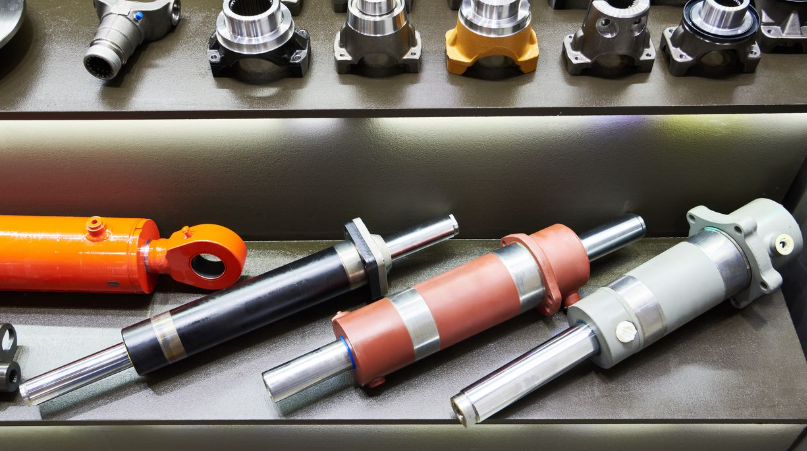
The cost gap between repair and replacement widens with cylinder size. A standard 3-inch bore rebuild runs a few hundred dollars; a comparable new cylinder costs several times that. On larger industrial units, replacements can run well into five figures while rebuilds stay in the low thousands.
The real financial argument usually isn’t the parts bill — it’s the downtime. Unplanned failures cost far more in lost productivity and emergency premiums than the repair itself. Supply chain timelines have amplified this; replacement lead times for some industrial cylinders now stretch to two or three months.
Start with the barrel. If it’s ballooned, cracked, or thinned significantly from spec, that’s a replacement. Same for gland threads too damaged to re-cut. These are structural limits.
If the barrel is sound, the question becomes economic — repair cost relative to replacement, hours on the cylinder, and maintenance history. A first rebuild at 6,000 hours on a well-maintained unit is very different from a third rebuild at 4,500 hours on one that keeps coming back.
| Damage Type | Repair Method | Call | Replace When… |
|---|---|---|---|
| Worn or leaking seals | Seal kit replacement, material upgrade | Repair | N/A — always repairable if barrel is sound |
| Minor rod scoring | Polish with diamond compound | Repair | Deep pitting, cracks, or bend beyond tolerance |
| Chrome loss or deeper rod damage | Strip and re-chrome, or HVOF coating | Depends | Base metal compromised or rod bent beyond limits |
| Light barrel scoring | Hone to restore finish | Repair | Wall thickness limit approached |
| Barrel ballooning or cracking | Not repairable | Replace | Any measurable deformation or cracking |
| Piston out-of-round | Piston replacement | Repair | Barrel bore also beyond honing range |
| Repeat failures (<5,000 hrs between rebuilds) | Root cause analysis | Replace | Design mismatch — repair just resets the clock |
A common repair scenario: a cylinder arrives with a bent rod, and the instinct is to straighten it. That can work — but only if you figure out why it bent. Insufficient rod diameter, side-loading from a bad mount, or material issues will bend the new rod the same way. The technical analysis has to go beyond the symptom.
Seal replacement anchors almost every rebuild, but “replace the seals” is deceptively simple. Standard nitrile works in mineral oil at moderate temperatures. Push above 180°F consistently and nitrile hardens — HNBR handles those conditions far better. Polyurethane covers a wide temperature window when matched to the cylinder type.
A common mistake: installing nitrile seals in a system running synthetic fluid. The seals swell and soften within weeks. Fluid compatibility, temperature range, and pressure profile all have to line up.
Fine polishing with diamond compound handles shallow surface marks. Deeper damage — chrome flaking, pitting into the base metal — calls for stripping and resurfacing. For equipment in abrasive conditions, HVOF (high-velocity oxygen fuel) coatings offer significantly higher hardness than traditional hard chrome — typically exceeding 1,000 Hv (compared to hard chrome’s 900–1,000 Hv range, per Hallite specifications) with far better wear resistance in contaminated environments. The cost premium is real, but on cylinders that chew through chrome rods in a few thousand hours, the payback comes fast.
Honing restores the internal surface finish and the cross-hatch pattern that retains oil. The practical limit is how much material you can remove before wall thickness becomes a concern — beyond that, replace the barrel. On pistons: any measurable out-of-round means replacement. Verify piston-to-barrel clearance with precision gauges before reassembly.
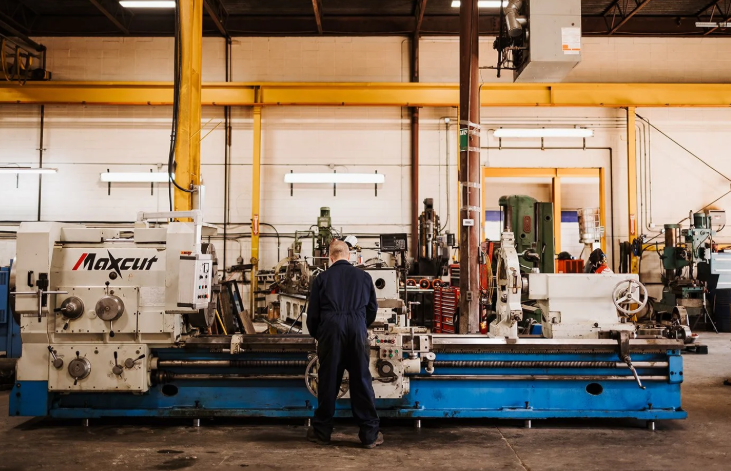
Keep the oil clean. Contamination remains the leading cause of hydraulic failures. Maintaining ISO 4406 cleanliness around 18/16/13 or better is the highest-leverage action available. Each step down the ISO scale roughly doubles particle concentration — the damage is exponential.
Watch the temperature. Most systems run best between 120°F and 150°F. Sustained temperatures above 180°F cook seals and oxidize fluid — adding or upsizing an oil cooler is one of the cheapest reliability investments available. Cold-weather startups create the opposite problem: thickened oil, cavitation, and brittle seals.
Check alignment. Even slight misalignment wears one side of the rod seal preferentially. The cylinder leaks, everyone blames the seals — but it’s a mount problem. Laser alignment checks during scheduled maintenance catch this early.
Protect exposed rods. Rod boots are cheap. Protective cover manufacturers report that shielded cylinders can achieve roughly double the service interval of exposed units in similar environments — largely by blocking abrasive particles from reaching the rod seal interface.
Run the rebuilt cylinder through 50 to 100 cycles at reduced pressure before full duty. New seals need controlled operation to conform to bearing surfaces. Shops that skip this see noticeably higher early failure rates. Check for external leakage at 10, 50, and 200 operating hours — a thin oil film on the rod is normal, but droplets or pooling mean something isn’t seating right.
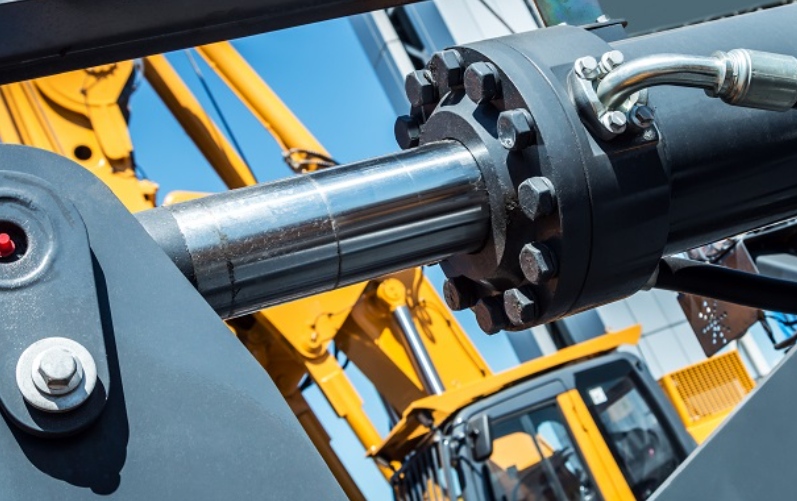
Budget cylinders built for light duty fail fast under industrial loads. Industrial-grade units with proper rod sizing, quality seals, and adequate wall thickness routinely cross 10,000 hours. The upfront premium recovers through fewer rebuilds and less downtime. Injection molding plants make the case clearly — hundreds of cylinders at consistent pressure with scheduled maintenance, only a handful of seal repairs per year, cylinders lasting five to fifteen years. Those are ideal conditions, but the principle holds everywhere: quality components, clean fluid, and regular attention create compounding gains that reinforce every other component in the system.
It depends on size. Small-bore cylinders typically rebuild for a few hundred dollars; larger industrial units can run several thousand. In most cases, rebuilds cost substantially less than a new cylinder — often a fraction of replacement price. The real savings come from avoided downtime.
Inspect the barrel first. If it’s round, within wall thickness spec, and free of cracks, the cylinder is almost certainly rebuildable. Rod damage, worn seals, and scored pistons are standard repair items. Replacement makes sense when there’s structural barrel damage or a pattern of repeat failures.
Contaminated fluid is the leading cause — abrasive particles score the rod and grind seal lips. High temperatures harden seal material. Misalignment causes one-sided wear. Pressure spikes from shock loads or misset relief valves blow seals that would otherwise last years.
In clean, moderate environments, hard chrome is usually adequate. HVOF pays off on rods exposed to heavy abrasion — mining, demolition, dredging — where chrome wears through quickly. HVOF coatings are harder and far more wear-resistant in contaminated conditions. Run the numbers on your re-chroming frequency; that usually settles it.
A well-executed rebuild on a sound cylinder delivers substantial additional service life. Exact hours depend on application and maintenance. The rebuild quality and post-repair care matter more than any single number.


