The industrial hydraulic equipment market is valued at approximately $28.5 billion in 2024 and projected to reach $40.6 billion by 2031, but here’s the surprising reality: the average efficiency of fluid power systems is just 21%. This massive gap between market growth and operational efficiency raises a critical question for manufacturing and construction operations—does implementing advanced hydraulic control actually deliver measurable efficiency improvements?
The answer is a resounding yes, but with important nuances. Analysis shows that a plurality of applications has a power budget potential of 20-50% compared with conventional systems. Modern hydraulic control technologies aren’t just incremental upgrades—they represent fundamental shifts in how fluid power systems operate, combining electronic controls, intelligent software, and optimized component design to slash energy waste and boost productivity.
Traditional hydraulic systems face three fundamental inefficiency challenges that drain energy and inflate operating costs.
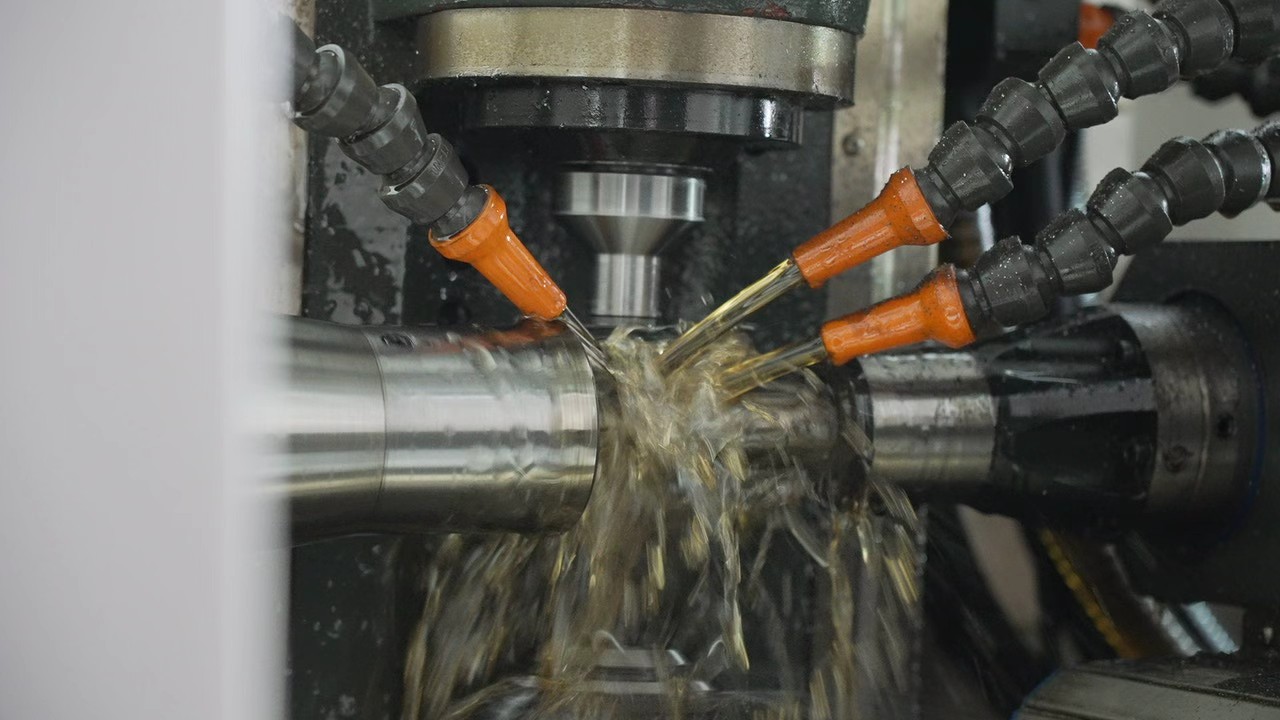
In valve-controlled hydraulic control systems, not all oil output from the quantitative pump is used to control the speed of the actuator, resulting in lower system efficiency and higher system heat generation. When hydraulic fluid flows through control valves, it encounters restrictions that convert pressure energy into heat rather than useful work. These throttling losses can account for 30-40% of total system energy consumption in conventional setups.
A gear pump or motor in good condition is 85% efficient, so a gear pump driving a gear motor has a best-case efficiency of 0.85 x 0.85 = 0.72. This means 28% of input energy disappears before any actual work happens—and that’s under optimal conditions. Real-world applications often perform far worse.
Fixed-speed hydraulic systems run motors at full speed regardless of actual demand. Fixed-speed electric motors are in constant motion at full speed, running at 1,200 or 1,800 RPM which requires significant constant power—even when performing no work. The excess flow bypasses through relief valves, generating heat and consuming energy without producing any useful output.
Older hydraulic systems rely on mechanical linkages and hydraulic pilot lines that introduce backlash, wear, and limited responsiveness. Without electronic feedback loops, these systems cannot adapt to changing loads or optimize performance in real-time, leaving efficiency gains on the table during variable-demand operations.
Advanced hydraulic control systems attack inefficiency from multiple angles through intelligent design and electronic integration.
Unlike fixed displacement pumps, variable displacement pumps adjust their output according to the system’s demand, minimizing energy waste as the pump delivers only the amount of fluid necessary to meet load requirements. When a hydraulic cylinder needs less force, the pump automatically reduces displacement rather than dumping excess flow over a relief valve.
High-quality piston pumps can be around 95% efficient, a significant amount more than old gear pumps, and create 80% less waste, which reduces cooling requirements. This dramatic efficiency improvement comes from precision manufacturing and pressure-compensated designs that eliminate unnecessary fluid circulation.
Danfoss Power Solutions’ Digital Displacement pump technology has shown between 15 and 30% efficiency increases through the design of the pump itself combined with use of an electronic controller and advanced software controls. Electronic controllers monitor pressure, flow, temperature, and position sensors continuously, adjusting pump displacement and valve timing thousands of times per second.
These digital control systems learn application duty cycles and predict demand patterns. During repetitive operations like excavator digging cycles, the controller anticipates when boom cylinders will need maximum flow and pre-positions system pressure to minimize response lag while avoiding energy-wasting overpressure conditions.
Closed-loop systems circulate hydraulic fluid in a continuous loop between the pump and the motor, reducing energy losses associated with returning fluid to the reservoir. This architecture allows bidirectional power flow—when lowering a loaded boom, for instance, gravitational potential energy drives the hydraulic motor backward, pressurizing fluid that can either flow directly to other actuators or charge accumulators for later use.
Prototype testing on a 30-ton excavator showed fuel efficiency improved by 50% compared to a standard machine working in the same operation through hydraulic losses being approximately cut in half. Energy recovery isn’t theoretical—it delivers measurable fuel savings in real-world construction applications.
Modern hydraulic control implements load-sensing systems that continuously monitor actuator pressure requirements and adjust pump output pressure to maintain only the minimum necessary differential. Load sensing systems generate fewer power losses because the pump reduces both flow and pressure to match the load requirements of the system.
When multiple actuators operate simultaneously with different pressure needs, intelligent control prioritizes the highest-pressure function while minimizing excess pressure on lower-demand circuits. This sectional control prevents the entire system from operating at peak pressure when only one actuator needs it.
Implementing advanced hydraulic control involves upfront investment, but the returns typically justify the expenditure within surprisingly short timeframes.
When an ABB industrial drive was installed on a hydraulic pump at a European steel manufacturer, a 70% energy saving was successfully reached. For a facility running hydraulic systems 24/7, this translates to massive annual cost reductions. A manufacturing plant consuming 500,000 kWh annually for hydraulic systems at $0.12/kWh spends $60,000 on energy. A 70% reduction saves $42,000 per year.
One manufacturer in the plastics processing industry standardized on variable-speed pump systems within its injection molding machine lines, and the upfront cost of variable speed was shown to be recovered in just one year of production. The rapid payback stems not just from electricity savings but also reduced cooling costs, lower maintenance expenses, and increased production throughput.
In a study performed in conjunction with Schoen + Sandt Machinery, a leading German hydraulic press manufacturer, the energy-efficiency impact of a high viscosity index hydraulic fluid resulted in gains of up to 10% less kilowatt hour consumption. Beyond energy, advanced control reduces mechanical stress on components by eliminating pressure spikes and thermal cycling.
Predictive maintenance capabilities built into modern controllers detect developing problems before catastrophic failures occur. Sensors monitor filter pressure drops, oil contamination levels, and abnormal vibration patterns, scheduling maintenance based on actual condition rather than fixed intervals. This approach typically reduces unplanned downtime by 30-40% while extending component life by 25-50%.
Volvo’s Independent Metering Valve Technology (IMVT) results in up to 25% improved fuel efficiency and better operator control, enabling Volvo EC550 excavators to offer digging and lifting forces typically found in the 60-ton range. Faster cycle times mean more loads moved per shift, directly impacting revenue generation for contractors paid by volume.
Precision control also improves first-pass quality in manufacturing applications. Hydraulic presses with closed-loop position control reduce scrap rates by maintaining tighter tolerances, while injection molding machines with accurate pressure control minimize defects and material waste.
Consider a 200-ton hydraulic press operating 16 hours daily, 250 days annually:
Conventional fixed-speed system:
Variable-speed controlled system:
A 138,000-square-foot industrial facility faced mounting energy costs and frequent servo valve failures from its 35-year-old central hydraulic system. The customer’s existing system included fixed displacement gear pumps that continuously wasted energy in the form of heat generated by oil flow over relief valves at the pump units.
The facility operated multiple test stands requiring variable flow from 0 to 2,200 GPM with pressure stability of 3,000 PSI (+0/-100 PSI). Most test rigs included high-precision, high-speed servo valves sensitive to fluid contamination, and the contaminated oil resulted in expensive weekly repairs to maintain the servo valves.
The pump solution included pressure-compensated pump technology with load sense control for 24/7 year-round operation, delivering a custom pump control scheme with 16 360-cc displacement Parker PVplus Series pumps with load sensing control and electrical unloading. Each pump connected to a 300-hp inverter-duty-rated motor, enabling precise speed control based on actual demand.
The system incorporated 20 strategically located accumulator stands throughout the facility to absorb pressure shocks from simultaneous test stand starts and stops. Engineered piping sized for optimal flow velocities minimized pressure losses while maintaining laminar flow for better filtration performance.
The facility achieved multiple benefits:
The hydraulic control industry stands at an inflection point where digital technologies are creating entirely new efficiency possibilities.
Machine learning algorithms are beginning to optimize hydraulic systems in ways human programmers never could. By analyzing millions of operational data points, AI identifies subtle patterns linking input commands, load conditions, temperature, and efficiency outcomes. The system then generates control strategies that maximize efficiency for each specific application profile.
Early implementations show 8-12% additional efficiency gains beyond conventional electronic control. As these systems accumulate more operating data, performance continues improving—the hydraulic system literally gets smarter over time.
The digital hydraulic actuator Volvo CE is developing can be an enabler for electrification and other industry trends such as automation due to its integrated sensors and other electronics. Hybrid systems combining electric actuators for precise positioning with hydraulic cylinders for high-force operations optimize each technology’s strengths.
As electrification takes a bigger hold in off-highway equipment, electrified linear actuation will eliminate hydraulic fluid on machines. This doesn’t spell the end for hydraulics—instead, it pushes the technology toward specialized high-power applications where fluid power remains unmatched.
Virtual replicas of hydraulic systems allow engineers to test control strategies in simulation before deploying to physical equipment. Digital twins fed with real-time sensor data can predict when efficiency degradation indicates developing problems, triggering proactive maintenance before energy waste escalates.
Companies are using digital twins to optimize system designs for new applications, simulating thousands of control parameter combinations in hours rather than months of physical prototyping. This accelerates innovation while reducing development costs.
Several persistent myths prevent organizations from realizing available efficiency improvements.
This outdated belief stems from experience with poorly designed legacy systems. When properly designed with the right components, hydraulic systems can achieve high efficiency. Modern controlled hydraulic systems regularly exceed 85% overall efficiency from motor input to actuator output—competitive with many electric alternatives when power density requirements are considered.
The key is matching system design to application demands. Using a 50-hp pump for a function requiring an average 15 hp with occasional 40 hp peaks guarantees inefficiency. Properly sized variable-displacement pumps with accumulators for peak demands achieve far better results.
While there is an upfront cost to consider, variable speed systems pay for themselves in the benefits they elicit through lower average motor RPM plus the decrease in heat and resulting secondary resources such as cooling. When calculating ROI, organizations often overlook indirect savings:
Many efficiency improvements can be retrofitted incrementally. Adding variable-frequency drives to existing fixed-speed pump motors provides immediate benefits without replacing hydraulic components. Installing proportional valves in place of on-off solenoids enables finer control with minimal system modifications.
Modern advancements in sensor technologies and programmable controllers allow for more precise monitoring and control of hydraulic systems by integrating smart sensors that monitor pressure, temperature, and fluid levels. These additions bolt onto existing systems, bringing modern control capabilities without complete overhauls.
Applications have a power budget potential of 20-50% compared with conventional systems, though actual results vary based on your specific duty cycle and current system design. Applications with highly variable loads and frequent start-stop cycles see the greatest improvements. Continuous high-load operations may only achieve 15-20% savings, while intermittent operations commonly exceed 40% reductions. Conduct an energy audit to establish your baseline and identify the highest-impact upgrade opportunities.
Payback periods of one year are achievable in energy-intensive applications like plastics processing. Typical industrial applications see returns within 18-36 months depending on utilization rates and energy costs. Operations running 24/7 with high electricity rates achieve faster payback than single-shift operations in low-cost energy markets. Factor in maintenance savings and productivity improvements to calculate total ROI—energy savings alone often underestimate true financial benefits.
Most modern control systems are designed for retrofit compatibility with standard hydraulic components. Variable-frequency drives can control existing pump motors without modifications. Proportional valves often fit in place of existing directional valves with minor plumbing changes. Electronic controllers integrate with legacy actuators through pressure and position sensors. The main requirement is sufficient space for control hardware and appropriate electrical power quality. Consult with hydraulic control specialists to assess your specific equipment’s retrofit potential.
For high-force applications, hydraulics have a size and weight advantage over electric motors, allowing hydraulic units to be powered by significantly smaller motors that weigh less. A 50-ton hydraulic press requires far less motor capacity than an equivalent electric press because hydraulic systems can use accumulators for peak power delivery. Modern controlled hydraulic systems achieve 80-90% overall efficiency—comparable to electric alternatives when total system architecture is considered. The choice depends on force requirements, duty cycle, and existing infrastructure rather than efficiency alone.
Advanced control systems shift maintenance from reactive repairs to proactive condition monitoring. By integrating smart sensors that monitor pressure, temperature, and fluid levels, operators can optimize performance in real-time, ensuring the system runs efficiently under varying conditions. Predictive alerts notify technicians of developing problems days or weeks before failures occur. However, these systems require personnel with electronics troubleshooting skills in addition to traditional hydraulic knowledge. Plan for initial training investments and consider service contracts for complex installations. Most organizations find the reduced emergency repairs more than offset the learning curve.
Absolutely. Start with high-impact, low-complexity upgrades like adding VFDs to existing pumps or installing pressure-compensated controls on your most energy-intensive circuits. As you build expertise and document ROI, expand to more sophisticated improvements like closed-loop control systems or energy recovery mechanisms. Incremental implementation spreads capital expenditure over time while allowing your team to develop proficiency with each technology level before adding complexity. This approach also enables you to validate efficiency gains at each stage, building confidence for subsequent investments.
A typical hydraulic pump is 80 to 90% efficient, with energy lost in two main forms: mechanical losses due to fluid friction and volumetric losses due to leakage. Without proper maintenance, efficiency degrades 1-2% annually as internal clearances increase and seals wear. Modern electronic control systems help preserve efficiency by detecting early degradation through performance monitoring. Maintaining proper fluid cleanliness levels is critical—contamination accelerates wear that reduces both component and system efficiency. Regular oil analysis and proactive component replacement based on condition rather than time maximizes efficiency over equipment life.
Install power meters on electric motors driving hydraulic pumps to measure input energy, then use flow meters and pressure sensors to calculate output power delivered to actuators. Overall efficiency equals output power divided by input power, expressed as a percentage. For meaningful measurements, monitor systems during typical operating cycles rather than isolated best-case scenarios. Many modern hydraulic controllers include built-in efficiency monitoring that tracks energy consumption per operational cycle, making performance trending straightforward. Consider hiring hydraulic specialists to conduct detailed efficiency audits that identify specific loss sources and quantify improvement opportunities.
Advanced hydraulic control consistently delivers measurable efficiency improvements across diverse industrial applications. The market growing at a CAGR of 5.2% from 2024 to 2031 reflects widespread recognition of these benefits.
The question isn’t whether hydraulic control improves efficiency—extensive data confirms it does. The real question is identifying which improvements deliver the best ROI for your specific operations. Focus on these factors:
Prioritize high-utilization equipment: Machines operating 16+ hours daily accumulate savings faster, justifying more sophisticated control investments.
Target variable-load applications: Operations with frequent load changes and intermittent cycles see the greatest efficiency gains from electronic control.
Start with energy audits: Measure current performance to establish baselines and identify the largest waste sources before specifying solutions.
Consider total cost of ownership: Include maintenance savings, productivity improvements, and extended component life alongside energy reductions when calculating ROI.
Modern hydraulic control technology transforms fluid power from an energy-intensive necessity into an efficient, precisely-controlled system competitive with any alternative. Organizations that implement these improvements strategically gain competitive advantages through lower operating costs, increased uptime, and enhanced productivity—benefits that compound year after year long after the initial investment is recovered.