
A 12v hydraulic pump converts electrical energy from a 12-volt DC power source into hydraulic pressure by driving a rotating mechanism that forces fluid through a sealed system, creating the force needed to operate cylinders, lifts, and actuators. These compact powerhouses are engineered around a simple principle: an electric motor spins an internal pump assembly that pressurizes hydraulic oil, delivering anywhere from 1,500 to 3,200 PSI depending on the application.
The global hydraulic pump market reached $9.96 billion in 2024 and is projected to grow to $14.74 billion by 2033 (Source: imarcgroup.com, 2024). Within this expanding market, 12-volt systems have carved out a specialized niche serving mobile equipment, automotive applications, and off-grid installations where portability and battery operation are non-negotiable. Understanding how these pumps function reveals why they’ve become indispensable in dump trailers, boat lifts, snow plows, and agricultural equipment across thousands of worksites.
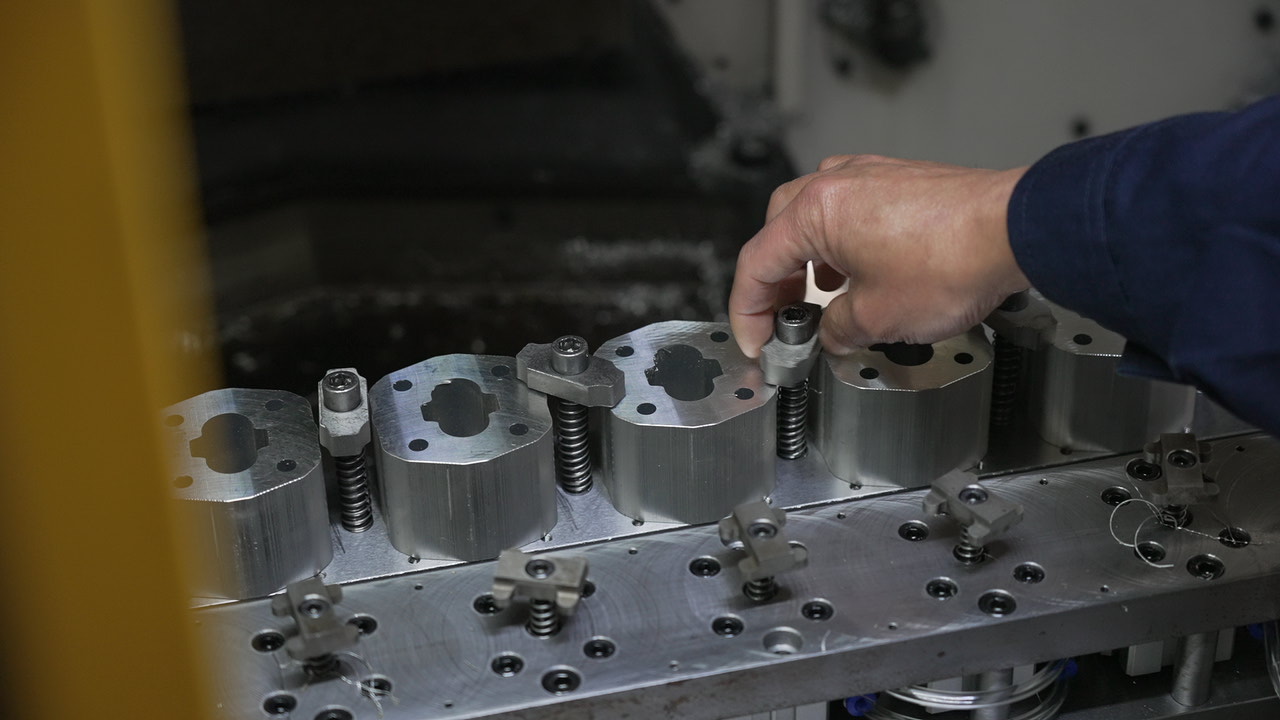
At the heart of every 12v hydraulic pump sits a DC electric motor hardwired to handle low-voltage operation. When you flip the switch, electrical current flows from your battery or power supply into the motor’s armature, creating an electromagnetic field that generates rotational force. This rotation transfers directly to the pump mechanism—typically a gear pump, vane pump, or piston assembly.
The pump mechanism operates on displacement principles. As internal components rotate, they create expanding chambers on the intake side that pull hydraulic fluid from the reservoir through an inlet port. These chambers then decrease in volume as they rotate toward the outlet side, compressing the fluid and forcing it through discharge ports into the hydraulic circuit. The continuous rotation maintains steady flow, while system resistance determines the pressure buildup.
The energy transformation follows four distinct stages. First, chemical energy stored in your vehicle’s battery converts to electrical energy flowing through copper windings. Second, electromagnetic forces transform this electrical energy into mechanical rotation at speeds typically ranging from 1,500 to 3,000 RPM. Third, the rotating pump mechanism converts rotational motion into fluid displacement. Finally, restricted flow in the hydraulic system translates fluid movement into pressure—the actual working force.
Modern 12v pumps achieve overall efficiency ratings between 75-87% for the complete conversion chain (Source: hydraulicsonline.com, 2024). The efficiency losses occur primarily as heat in the motor windings, friction in the pump assembly, and internal fluid leakage. Quality units incorporate thermal management features and precision machining to minimize these losses.
12v hydraulic pumps come in two fundamental configurations that determine their control capabilities. Single-acting pumps generate pressure in only one direction—they push hydraulic fluid out to extend a cylinder, then rely on gravity, springs, or external forces to return the cylinder. You’ll find these on dump trailers where the bed only needs powered lifting, with gravity providing the lowering action.
Double-acting pumps control fluid flow in both directions, allowing powered extension and retraction. These systems use directional control valves—typically solenoid-operated in 12v applications—to route pressurized fluid to either side of the cylinder. The added complexity enables precise positioning in applications like RV slide-outs, adjustable plow angles, and boat lift systems where controlled descent matters as much as the lift.
Every complete 12v hydraulic power unit combines six essential components working in coordination. The reservoir stores hydraulic fluid—typically 6 to 15 quarts depending on system capacity—and allows thermal expansion while separating entrained air. Look inside and you’ll find a strainer or filter preventing contamination from entering the pump.
The electric motor provides the prime mover. Most 12v units use permanent magnet DC motors rated between 1.2 and 2.5 horsepower, drawing 80 to 180 amps at full load. These motors are designed for intermittent duty cycles, typically rated for 2 minutes on and 18 minutes off to prevent overheating.
Gear pumps dominate the 12v market due to their simplicity and cost-effectiveness. Two meshing gears rotate inside a tight-fitting housing, with the expanding space between teeth drawing in fluid on one side and the meshing action forcing it out the other. They’re remarkably durable but generate more noise and heat than alternatives. Construction machinery commonly operates at 200-250 bar (2,900-3,625 PSI), while lighter 12v applications typically max out at 2,000-3,200 PSI (Source: fairydeerhydraulic.com, 2024).
Vane pumps offer quieter operation and better efficiency at lower pressures. Spring-loaded vanes slide in and out of rotor slots as the assembly rotates, creating chambers that vary in size. They excel in applications requiring smooth, consistent flow but struggle with high-pressure demands and are more sensitive to contamination.
Piston pumps deliver the highest pressures and best efficiency but rarely appear in 12v systems due to complexity and cost. Their precision-machined components and axial or radial arrangements can generate pressures exceeding 5,000 PSI, but they demand larger motors than 12v systems typically provide.
The directional control valve acts as the traffic controller for hydraulic fluid. In single-acting systems, a simple lever-operated valve opens flow to the cylinder and returns it to tank when released. Double-acting setups use solenoid valves activated by electrical switches, routing pressure to either cylinder port while returning the opposite side to reservoir.
Pressure relief valves serve as critical safety devices. Pre-set to crack open at maximum system pressure—commonly 2,000 to 3,500 PSI in 12v applications—they dump excess flow back to tank, preventing catastrophic failures. Without this protection, a stalled cylinder could burst hoses, damage seals, or crack pump housings.
[Insert diagram: Cross-section of a 12v hydraulic pump showing motor, gear assembly, reservoir, and valve configuration]
The portability and self-contained nature of 12v hydraulic systems created entirely new possibilities for mobile equipment. Dump trailer manufacturers led the adoption curve, recognizing that truck-mounted systems could eliminate the need for external power sources at loading sites. Today’s market sees these pumps across remarkably diverse applications.
Tow trucks rely on 12v hydraulic pumps for wheel lifts, car carrier tilt beds, and wrecker booms. The integration with vehicle electrical systems means operators can deploy equipment without running the main engine or carrying generator units. Snow plow operators mount these pumps to control blade angle and elevation adjustments on the fly, with some systems managing multiple functions through proportional solenoid valves.
Car haulers use double-acting 12v pumps to tilt entire trailers for loading, with systems capable of lifting 10,000 to 14,000-pound loads at controlled speeds. The intermittent duty cycle aligns perfectly with loading operations—brief periods of high power demand separated by longer idle intervals.
Boat lift systems represent one of the fastest-growing segments for 12v hydraulic applications. Dock-mounted lifts use these pumps to raise vessels weighing several thousand pounds, protecting hulls from marine growth and storm damage. The 12v power source matches perfectly with marine battery systems, and sealed motor designs resist the corrosive saltwater environment.
Agricultural equipment increasingly incorporates 12v hydraulics for implement adjustments. Fold-up cultivators, adjustable planter depths, and grain auger positioning all benefit from portable hydraulic power that doesn’t require tapping into tractor hydraulic circuits. The U.S. construction spending increased from $2,055.2 billion in September 2023 to $2,148.8 billion in September 2024, driving demand for mobile equipment in both construction and agriculture (Source: knowledge-sourcing.com, 2024).
[Insert comparison table: 12v Hydraulic Pump Applications by Industry – showing typical pressure ratings, duty cycles, and reservoir sizes]
The relationship between voltage, current, motor speed, and hydraulic output follows predictable patterns, but real-world performance depends on multiple interacting variables. Battery voltage under load significantly impacts pump performance—a fully charged battery delivers 12.6 to 13.2 volts, while a depleted one might drop to 11.5 volts or lower during operation.
This voltage drop directly affects motor speed, which determines pump flow rate. Most 12v hydraulic pumps deliver rated flow only at full voltage. A 10% voltage drop can reduce flow by 15-20%, extending cycle times proportionally. This explains why operators notice slower operation as batteries discharge, even though the system still generates adequate pressure.
Hydraulic fluid viscosity changes dramatically with temperature, affecting both efficiency and pressure generation. At 40°F, typical hydraulic oil is 2-3 times more viscous than at 100°F. Cold oil creates higher resistance in lines and valves, forcing the motor to work harder while delivering less effective flow. Many 12v systems struggle to operate below 20°F without external heating or specialized low-temperature fluids.
Heat buildup during extended operation creates opposite problems. Hydraulic axial piston motors and pumps typically achieve 87% efficiency (Source: hydraulicsonline.com, 2024), meaning 13% of input energy converts to heat. In a system drawing 150 amps at 12 volts (1,800 watts input), roughly 230 watts becomes heat. Without adequate cooling cycles, fluid temperatures can exceed 160°F, accelerating seal degradation and reducing oil life.
Understanding the inverse relationship between flow and pressure proves crucial for application matching. A given pump displaces a fixed volume per revolution—typically measured in cubic inches. At low system pressure (minimal resistance), the pump delivers maximum flow at rated motor speed. As pressure builds, internal leakage increases and some flow recirculates within the pump rather than reaching the outlet.
Pumps rated for 2,500 PSI might flow 1.2 gallons per minute with no load, but only 0.9 GPM at 2,000 PSI, and 0.7 GPM at maximum pressure. This volumetric efficiency decline explains why cylinder speeds slow as loads increase, even when the motor maintains constant RPM.
Selecting the right 12v hydraulic pump requires analyzing several load characteristics beyond simple pressure requirements. Cylinder bore diameter, stroke length, and cycle time expectations interact to determine necessary flow rates. A 3-inch bore cylinder extending 24 inches requires roughly 0.9 gallons of fluid volume—a pump flowing 0.9 GPM completes the stroke in 60 seconds at ideal efficiency.
But reality introduces complications. Pressure requirements multiply with load weight and cylinder mechanical advantage. A 5,000-pound load on a 3-inch bore cylinder (7.07 square inches) demands 707 PSI minimum pressure, plus additional pressure to overcome friction, accelerate the mass, and compensate for system losses. Design margins typically add 25-30% to calculated minimums.
The intermittent duty rating of most 12v motors limits continuous operation. Motors rated for “2 minutes on, 18 minutes off” generate rated power for 120 seconds before internal temperatures exceed safe limits. Exceeding these cycles risks motor burnout, shortened brush life, and even housing cracks from thermal stress.
Applications requiring frequent cycling need either oversized motors with better thermal capacity or active cooling systems. Some high-performance 12v units incorporate cooling fans, finned motor housings, or even fluid-cooled designs that circulate hydraulic oil through the motor housing. These features command premium prices but eliminate operational restrictions in demanding environments.
Many installers underestimate the electrical demands of 12v hydraulic pumps. A unit drawing 150 amps at full load requires wire sizing that minimizes voltage drop—typically 4 AWG or larger for runs exceeding 10 feet. Inadequate wiring creates resistance heating, reduces available voltage at the motor, and can trigger overload protection in quality systems.
Battery capacity matters equally. A 150-amp motor running for 2 minutes consumes 5 amp-hours from the battery. A typical automotive battery rated for 65 amp-hours could theoretically power 13 cycles before depletion, but practical limits are much lower. Deep discharging damages lead-acid batteries, so 30-40% depth of discharge represents a reasonable maximum, allowing 4-5 working cycles before recharging becomes necessary.
12v hydraulic systems fail predictably, and systematic diagnosis usually pinpoints problems quickly. Slow operation or weak pressure points toward either electrical or hydraulic causes. Check battery voltage first—anything below 12.2 volts under load suggests insufficient electrical supply. Corroded terminals, undersized cables, or depleted batteries all produce similar symptoms.
If voltage checks normal, hydraulic issues become suspect. Low fluid levels expose the pump inlet to air, causing cavitation, noise, and pressure loss. Internal pump wear increases clearances, allowing pressurized fluid to leak back to inlet rather than flowing to the outlet. Pumps delivering less than 80% of rated pressure after several years typically need replacement or rebuilding.
Motor brushes wear with use, and most 12v hydraulic motors use brushed designs for cost reasons. After 500-1000 hours of operation, brushes shorten enough that spring pressure weakens, increasing contact resistance and generating heat. Symptoms include slow starting, intermittent operation, or excessive sparking visible through motor ventilation ports.
Thermal overload protection trips when motors exceed safe operating temperatures. Reset buttons on motor housings indicate overload protection activated—usually from exceeded duty cycles, but sometimes from mechanical binding or low voltage causing excessive current draw. Repeated thermal trips signal mismatched applications or inadequate cooling intervals.
Cavitation damage appears when pumps draw air instead of fluid. The distinctive squealing or whining noise accompanies pressure fluctuations as air compresses differently than oil. Collapsed suction hoses, clogged inlet screens, or fluid levels below pump pickup all create cavitation conditions. Extended operation with cavitation erodes pump surfaces through implosion of air bubbles against metal components.
External leaks waste fluid and reduce pressure, but internal leaks prove more insidious. Worn cylinder seals allow pressurized fluid to bypass from one side to the other, preventing full extension or retraction despite normal pump operation. Valve spool wear creates similar bypass paths. These problems often worsen gradually, with users adapting to slower operation until complete failure demands attention.
[Insert troubleshooting flowchart: Decision tree for diagnosing 12v hydraulic pump issues – starting from symptom and branching to tests and solutions]
Hydraulic fluid condition determines long-term reliability more than any other factor. Contamination from dirt, metal particles, and water degrades performance and accelerates wear. Regular fluid sampling reveals problems before they cause failures—particles above 25 microns indicate wear in progress, while water content above 0.5% promotes corrosion and reduces lubrication.
Fluid change intervals depend on operating conditions. Equipment exposed to dusty environments, temperature extremes, or heavy-duty cycles needs annual fluid changes. Lighter-duty applications might extend to 2-3 years. Always use manufacturer-specified fluid grades—wrong viscosity or additive packages cause operational problems and void warranties.
Inlet strainers prevent large debris from entering pumps, but they can’t catch particles small enough to cause precision-surface wear. Some 12v systems incorporate return-line filters that continuously clean fluid circulating through the system. These filters typically use 10 to 25-micron filtration media, trapping particles while allowing unrestricted flow.
Checking filter condition involves monitoring pressure drops across filter elements. Most manufacturers specify maximum pressure differentials before filter replacement becomes necessary—typically 15-25 PSI. Clogged filters restrict flow, causing cavitation at the pump inlet and overheating from excessive pressure drops.
Hydraulic fittings require specific torque values—too loose allows leaks, too tight damages threads or distorts sealing surfaces. JIC 37-degree flare fittings dominate 12v systems, using metal-to-metal sealing that withstands vibration. These connections need periodic inspection for weeping, corrosion, or loosening from thermal cycles.
Hose assemblies represent the most common leak points and failure modes. Abrasion wear, sun exposure, and ozone attack degrade hose covers, while internal pressure cycles fatigue reinforcement layers. Industry standards suggest replacing hoses every 5-7 years regardless of appearance, as internal deterioration proceeds invisibly. Bulged sections, cracks, or any fluid seepage justify immediate replacement.
Despite operating at lower pressures than industrial hydraulics, 12v systems still generate sufficient force to cause serious injuries. A 2-inch bore cylinder at 2,000 PSI exerts over 6,000 pounds of force—enough to crush limbs or cause fatal crushing injuries if safety practices are ignored.
Never position any body part under loads supported only by hydraulic pressure. Fluid leaks, valve failures, or cylinder seal breaches can cause rapid, uncontrolled descent. Mechanical safety supports, locks, or stands must hold loads whenever work occurs beneath them. This principle applies equally to boat lifts, dump beds, car carriers, and any elevated equipment.
Before disconnecting any hydraulic lines or components, fully relieve system pressure. Most 12v systems include pressure release buttons or levers that open actuator circuits to tank, dropping pressure to zero. Without proper pressure release, disconnecting a fitting under 2,000 PSI sprays hot oil forcefully enough to penetrate skin, causing injection injuries requiring emergency surgery.
Accumulated pressure in cylinders and lines can persist for hours or even days after pump shutdown. Always cycle actuators through full range or manually open valves to atmospheric conditions before maintenance work. Treating every connection as pressurized until proven otherwise prevents injuries from unexpected releases.
Battery connections capable of delivering 150+ amps pose arc flash and short circuit hazards. Always disconnect battery negative terminals before working on 12v hydraulic system wiring. Even momentary shorts in high-current circuits melt tools, burn skin, and can ignite flammable materials near work areas.
Proper fusing protects wiring and components from overcurrent conditions. Fuse ratings should slightly exceed normal operating current but trip on sustained overloads. A 150-amp pump might use 175-amp fuses, providing protection without nuisance trips. Never bypass or upgrade fuses beyond manufacturer specifications—resulting fires and equipment damage void all warranties and insurance coverage.
Most 12v hydraulic pumps are rated for intermittent duty cycles, typically 2 minutes on and 18 minutes off. Running beyond this causes motor overheating, shortened brush life, and potential thermal damage. If you need extended operation, look for pumps with active cooling or higher duty cycle ratings—some industrial units handle 10 minutes on, 10 off. The limitation comes from heat buildup in the DC motor windings rather than the hydraulic pump itself.
Battery selection depends on current draw and number of cycles needed. A pump drawing 150 amps for 2-minute cycles consumes 5 amp-hours per cycle. For 4-5 cycles between charges, you need at least 100-120 amp-hour battery capacity, accounting for the 30-40% depth of discharge limit on lead-acid batteries. Group 31 deep-cycle batteries (100-125 amp-hours) suit most applications. For frequent use, dual batteries wired in parallel provide 200+ amp-hours and prevent excessive discharge.
Operating a 12v pump on 24v doubles the voltage, causing excessive motor speed, overheating, and rapid failure. The motor draws nearly twice the current, overwhelming windings designed for 12v operation. If you have a 24v system, purchase pumps specifically rated for that voltage—they’re engineered with different motor windings and component ratings. Some sophisticated systems use voltage converters, but direct connection risks immediate damage and fire hazards.
Most manufacturers specify AW32 or AW46 hydraulic oil for temperatures above 40°F. These anti-wear formulations provide proper viscosity and protect pump surfaces. For cold climate operation below 20°F, switch to AW22 or specially-formulated cold-temperature fluids. Never use motor oil, transmission fluid, or non-hydraulic fluids—they lack proper viscosity index, anti-wear additives, and foam resistance. Wrong fluids cause pump damage, seal deterioration, and unpredictable performance.
Cold hydraulic oil becomes viscous, increasing resistance throughout the system. At 20°F, oil viscosity can be 5-10 times higher than at 80°F, forcing the motor to work harder while flowing less fluid. The pump still generates pressure, but flow rates drop significantly, extending cycle times. Solutions include storing equipment in heated spaces, using lower-viscosity cold-weather fluids, or installing oil heaters for winter operation. Most systems return to normal speed once fluid warms to 60-70°F.
Start by determining cylinder volume: bore area × stroke length. A 3-inch bore (7.07 square inches) × 24-inch stroke requires 170 cubic inches or 0.74 gallons. Divide by desired cycle time—for a 60-second extension, you need 0.74 GPM minimum flow. Add 20-30% for system losses and pressure drops. Then calculate pressure: load weight ÷ cylinder area, multiplied by 1.3 safety factor. Match these flow and pressure requirements to pump specifications, ensuring motor duty cycle suits your usage pattern.
Basic maintenance like fluid changes, filter replacement, and connection tightening requires only hand tools and proper fluids. Pump rebuilding demands specialized knowledge, precision measuring tools, and access to seal kits. Motor brush replacement is straightforward if you can disassemble the motor housing. However, pump internal wear, housing damage, or motor armature problems usually justify purchasing new units rather than rebuilding. A complete power unit costs $200-600, while professional rebuilding often approaches 60-80% of new cost.
Several issues create abnormal sounds. High-pitched squealing indicates cavitation—air entering the pump inlet from low fluid levels, collapsed suction hoses, or clogged strainers. Grinding or knocking sounds suggest worn pump internals with excessive clearances. Buzzing or humming points to electrical issues like loose connections or failing motor brushes. Normal gear pump operation produces moderate noise from tooth meshing, but sudden changes in sound character always warrant investigation before major damage occurs.
Understanding the complete working principle of 12v hydraulic pumps—from electrical input through mechanical conversion to hydraulic output—empowers you to select, install, operate, and maintain these systems effectively. The technology has matured to deliver remarkable reliability when properly matched to applications and maintained according to basic hydraulic principles.
Focus on three priorities for long-term success: maintain clean hydraulic fluid through regular changes and filtration, respect electrical infrastructure requirements with proper wire sizing and battery capacity, and honor duty cycle limitations to prevent thermal damage. These practices prevent 90% of common failures while extending system life well beyond typical 3-5 year expectancies.
The hydraulic pump market’s projected growth to $14.74 billion by 2033 reflects increasing recognition that these compact, portable power sources solve real problems across industries (Source: imarcgroup.com, 2024). Whether you’re outfitting a dump trailer, designing a custom mobile application, or troubleshooting existing equipment, the fundamental operating principles remain constant—converting 12-volt electricity into controllable hydraulic force through proven displacement pump technology.


