
Hydraulic systems and hydraulic spare parts
Hydraulic systems are the workhorses of modern industry, powering everything from construction equipment to manufacturing machinery. At the heart of these systems lie various hydraulic parts that work together to transmit power through the use of pressurized fluid.
As a leading hydraulic equipment supplier, we understand that if you use and maintain hydraulic equipment on a regular basis, having the right hydraulic spare parts is critical to ensuring seamless operations and an effective maintenance plan.
Our extensive inventory, with over 7,000 spare parts in stock, ensures that you can quickly source high-quality components to minimize downtime and maintain peak performance. From seals and filters to hoses and fittings, our comprehensive range of hydraulic spare parts is designed to meet the diverse needs of industries such as construction, manufacturing, and agriculture.
Hydraulic Parts Diagram
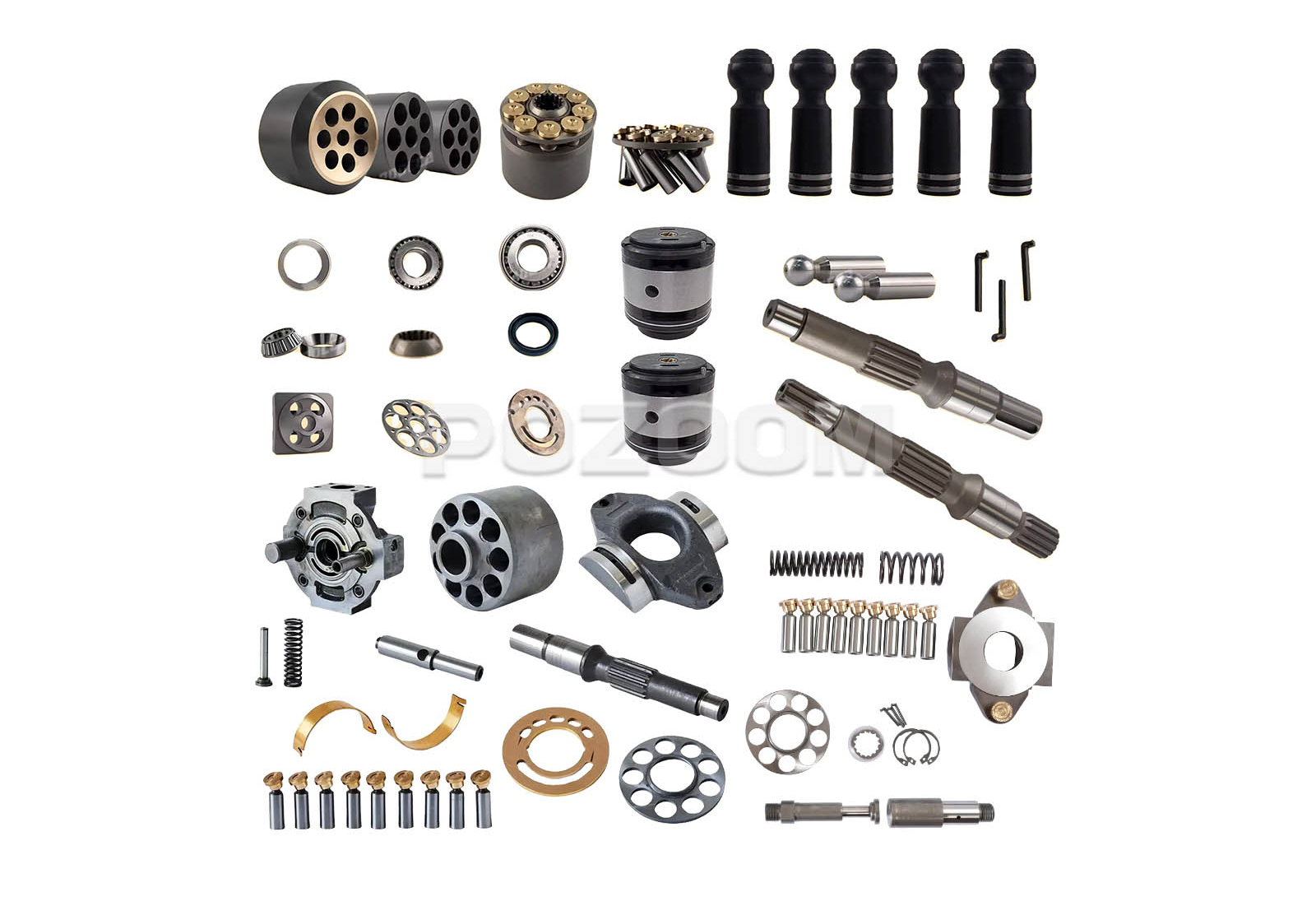
Hydraulic Spare Parts
Understanding the various hydraulic parts and their functions is essential for proper system design, maintenance, and troubleshooting.
Pump & Motor Components
Pump and motor components are essential hydraulic parts that convert mechanical energy to hydraulic energy (pumps) and vice versa (motors). These precision hydraulic parts must maintain tight tolerances for efficient operation.
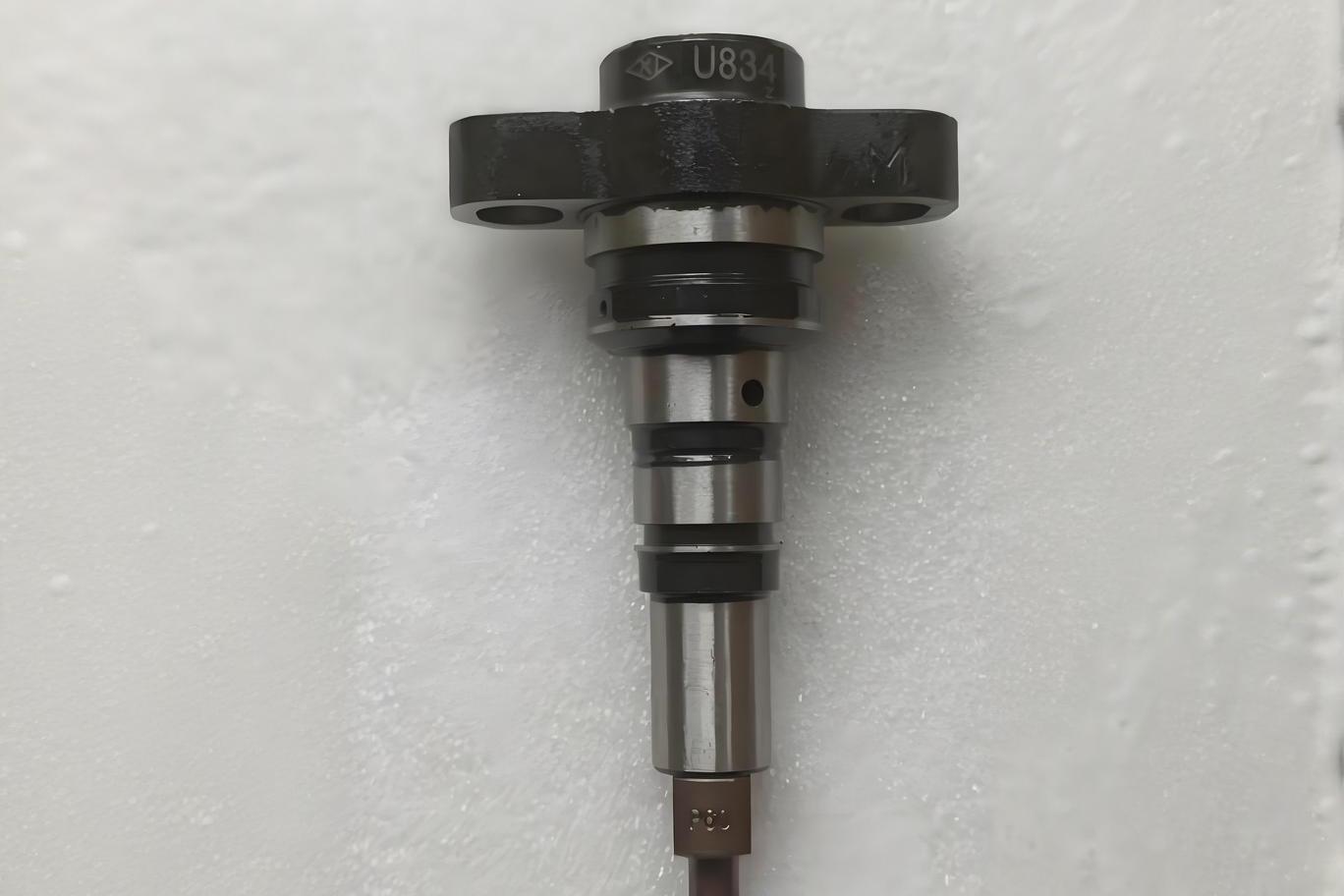
Plungers & Cylinders
Cylindrical hydraulic parts that reciprocate within cylinder bores to create pressure differentials, typically made from high-strength alloy steels with hardened surfaces.
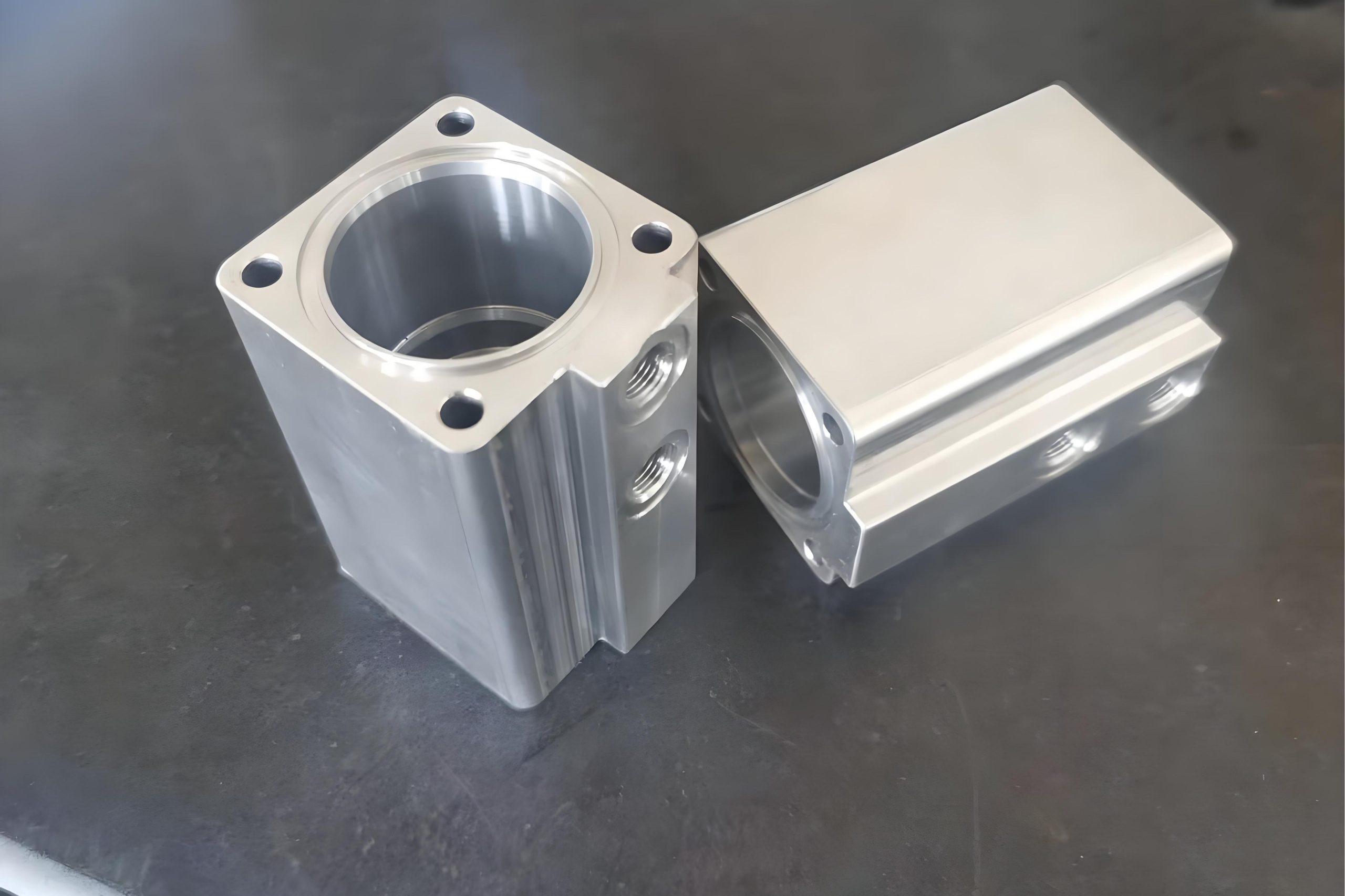
Cylinder Blocks
Hydraulic parts containing multiple precision-machined bores that house the plungers, arranged in a circular pattern around the block's centerline in axial piston pumps.
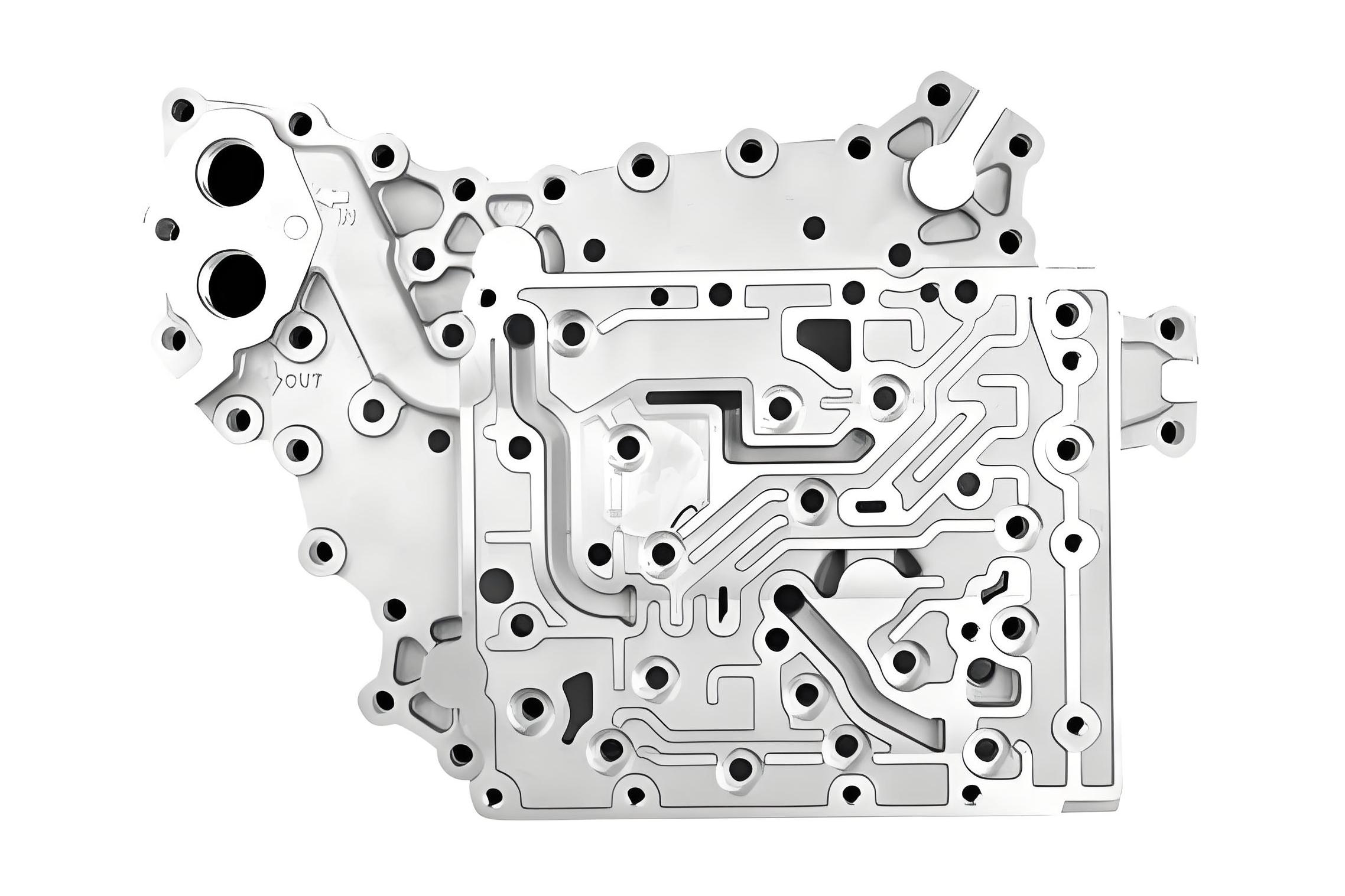
Valve Plates
Hydraulic parts that control the flow of fluid into and out of the cylinder bores in piston pumps and motors, containing precision-machined ports that direct fluid flow.
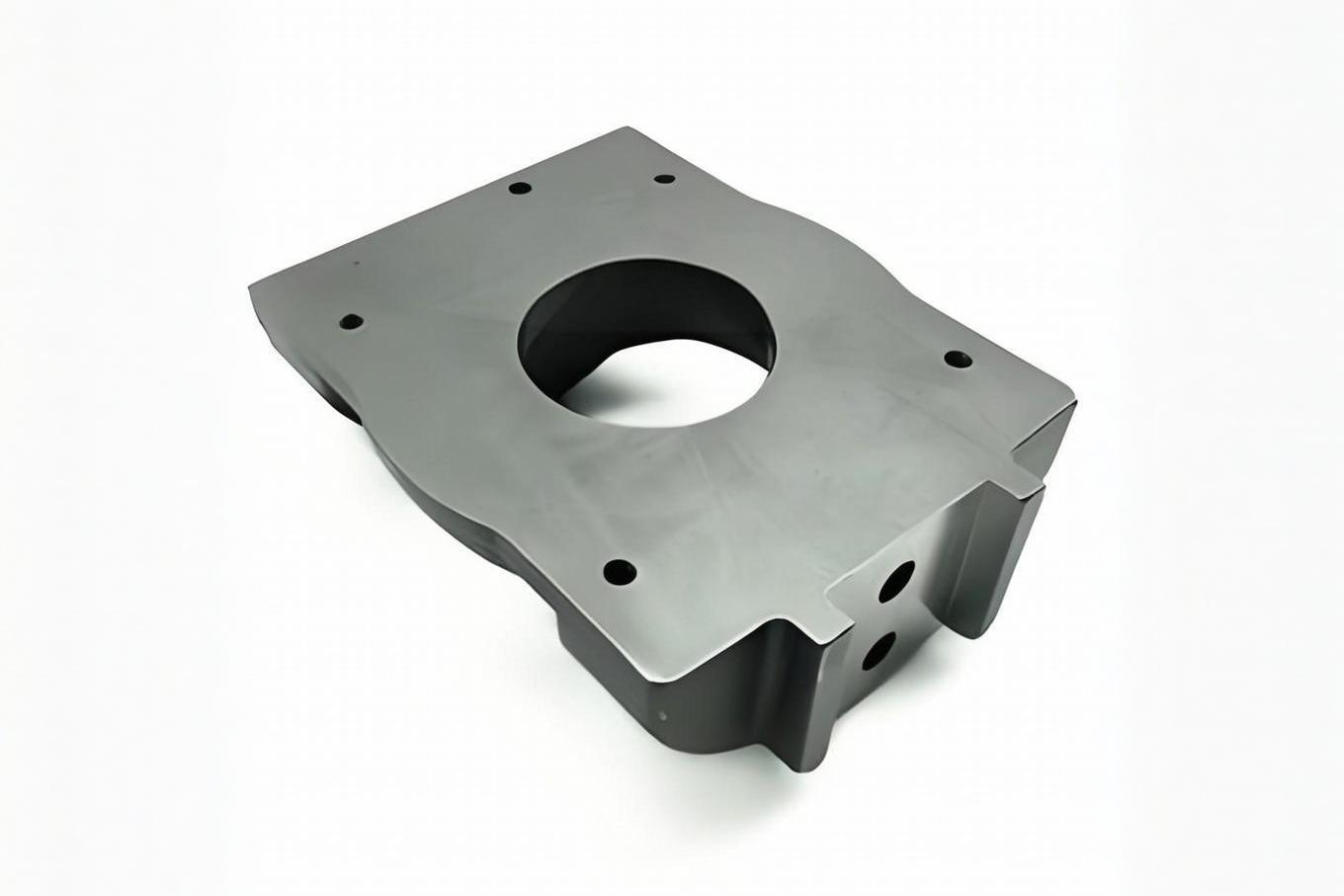
Swash Plates
Hydraulic parts that convert the rotary motion of the pump shaft into the reciprocating motion of the pistons, with their angle determining the displacement of the pump or motor.
Pump Component Maintenance
- Regular inspection for wear patterns on critical surfaces
- Monitoring for increased internal leakage that indicates wear
- Maintaining proper fluid cleanliness to prevent accelerated wear
- Replacing wear parts as complete sets for proper mating and performance
Valve Components
Valves are critical hydraulic parts that control fluid flow, pressure, and direction within hydraulic systems. They range from simple check valves to complex proportional control valves with electronic actuation.
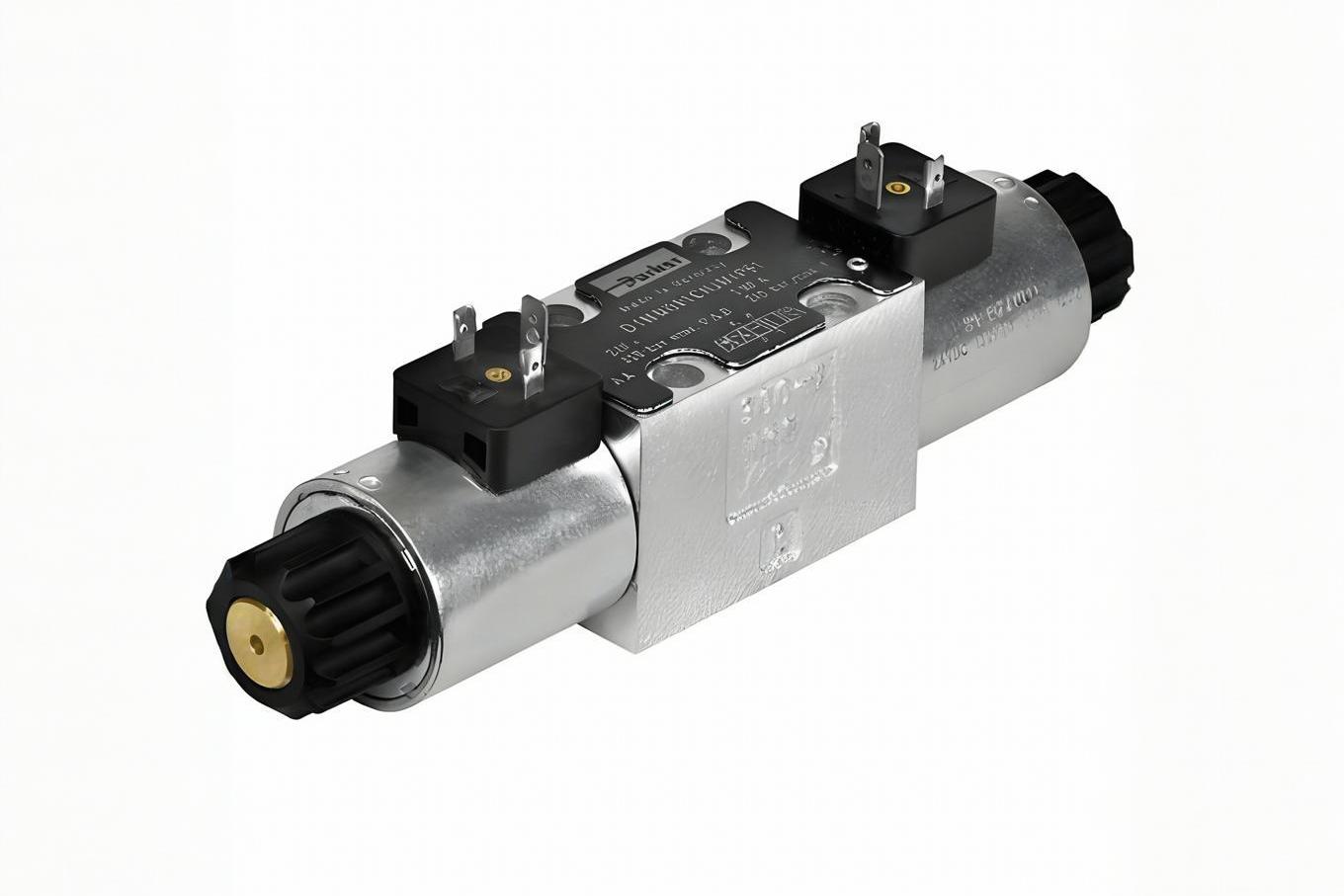
Directional Control Valves
Hydraulic parts that manage the path of fluid flow, determining which components receive fluid and in which direction it flows through the system.
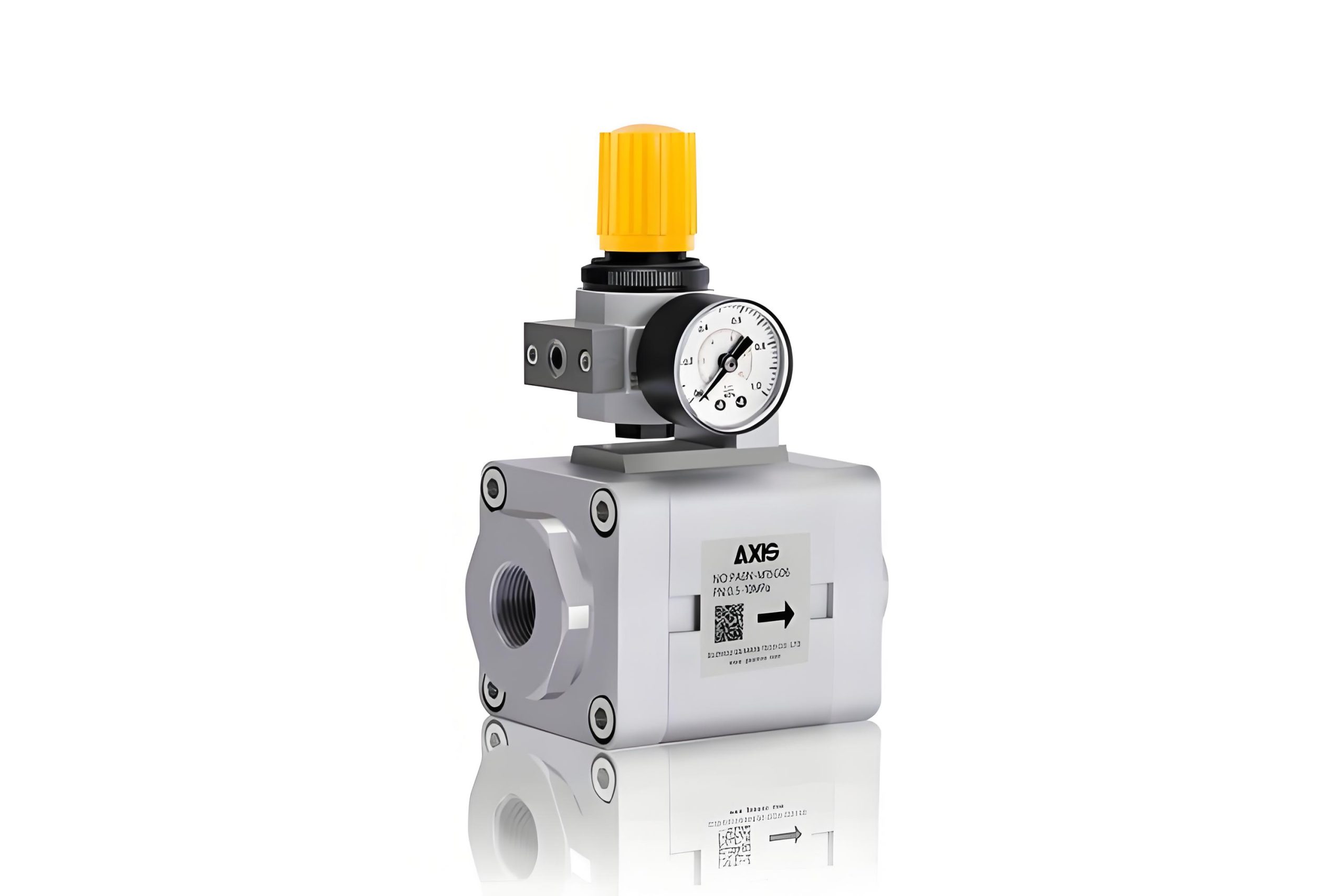
Pressure Control Valves
Hydraulic parts that regulate system pressure to prevent overloading, including relief valves, pressure reducing valves, and sequence valves.
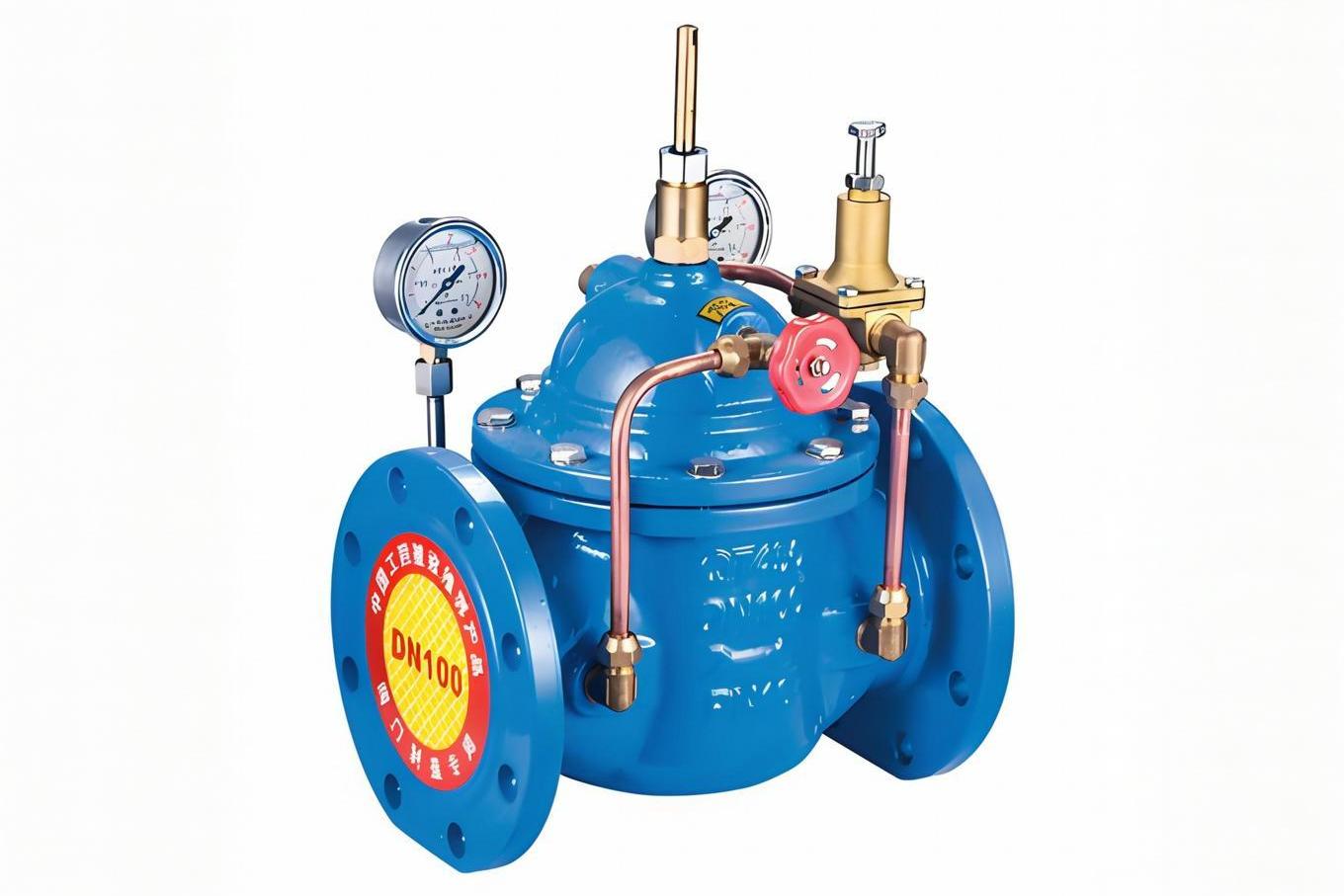
Flow Control Valves
Hydraulic parts that regulate the rate of fluid flow, controlling the speed of actuators with throttle valves and flow dividers for multiple circuits.
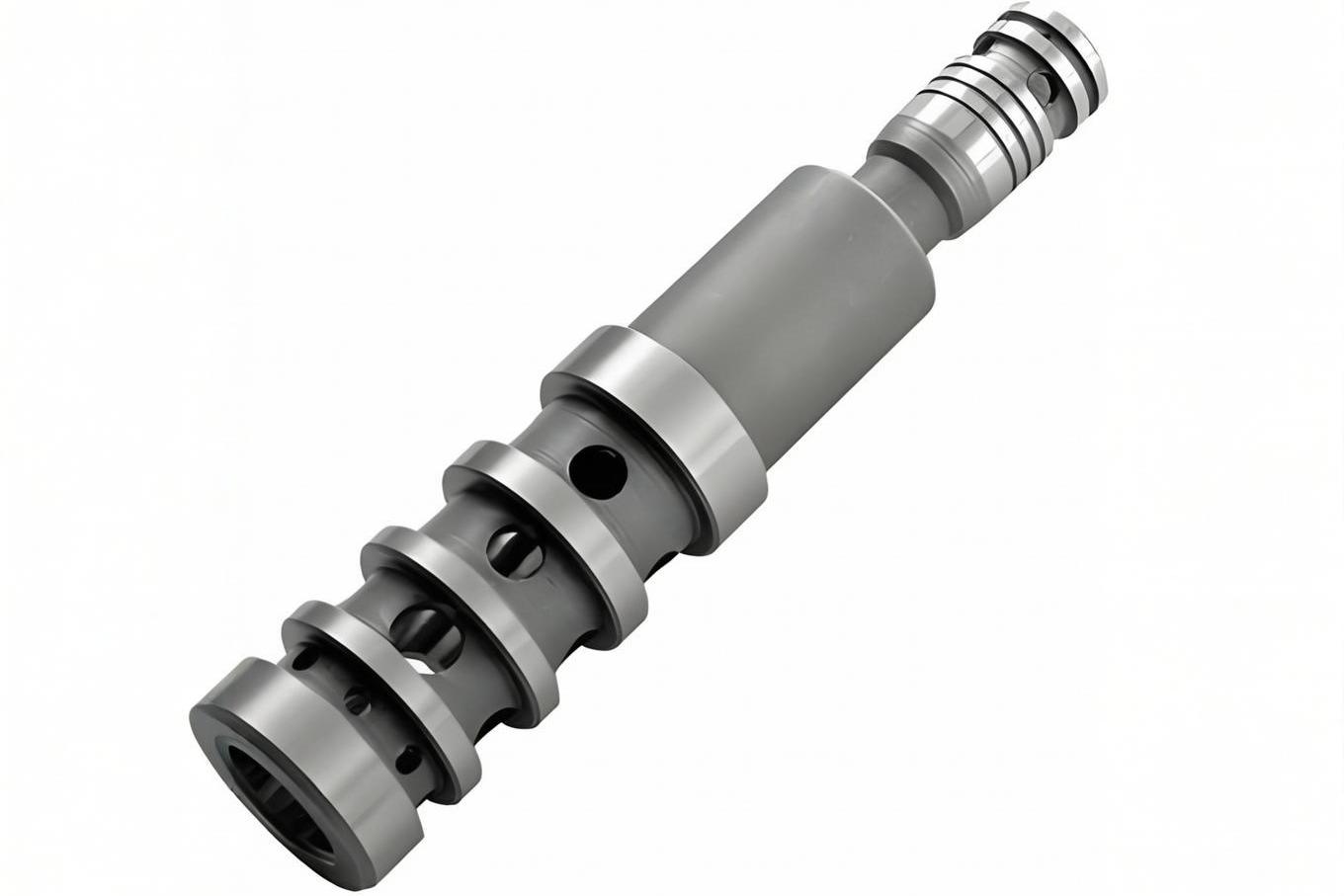
Valve Spools
Cylindrical hydraulic parts that slide within valve bodies, aligning with ports to control flow paths with precision-machined surfaces for proper sealing.
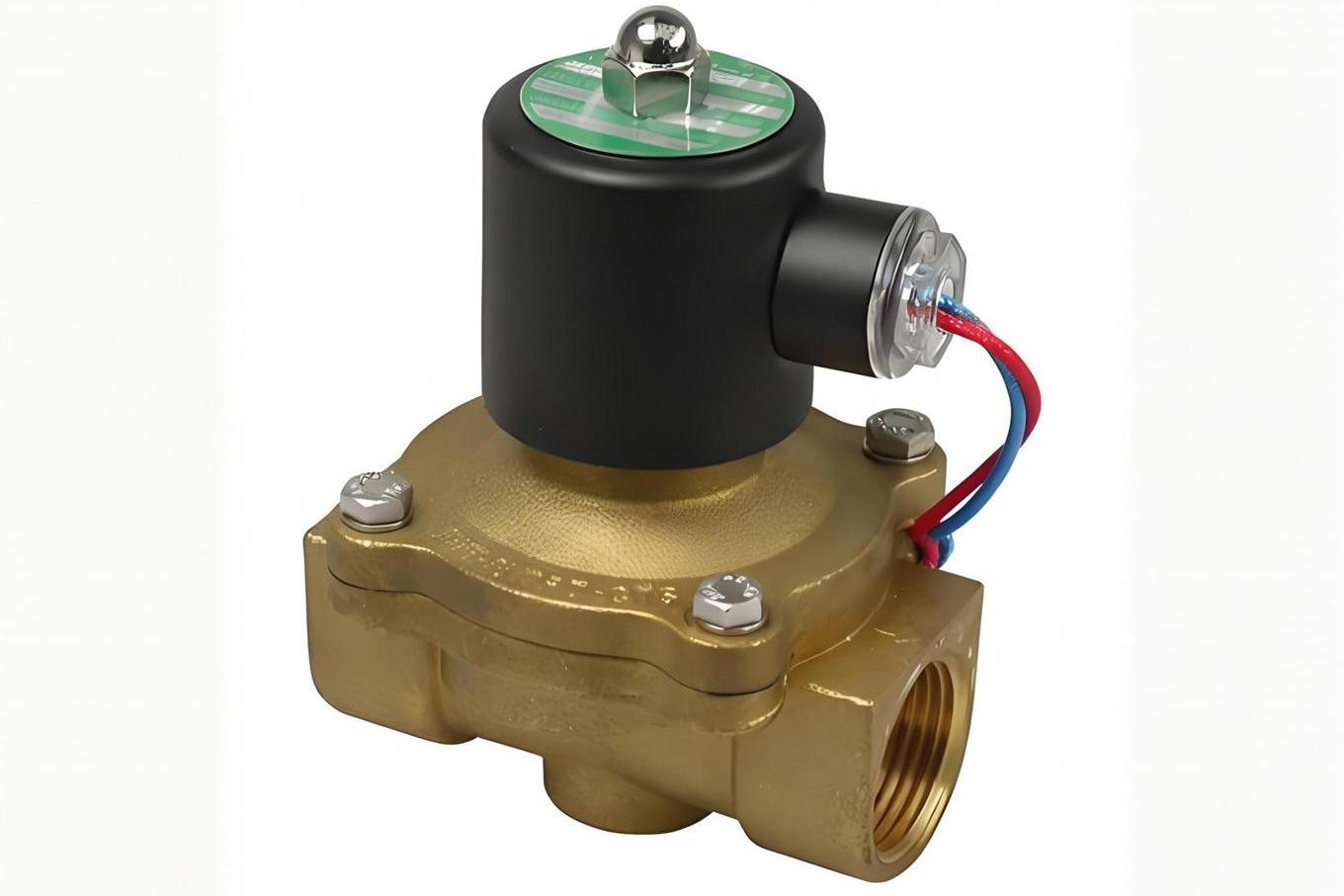
Solenoid Valves
Valves with electromagnetic actuation for remote control, converting electrical signals into mechanical motion to shift valve spools in automated systems.
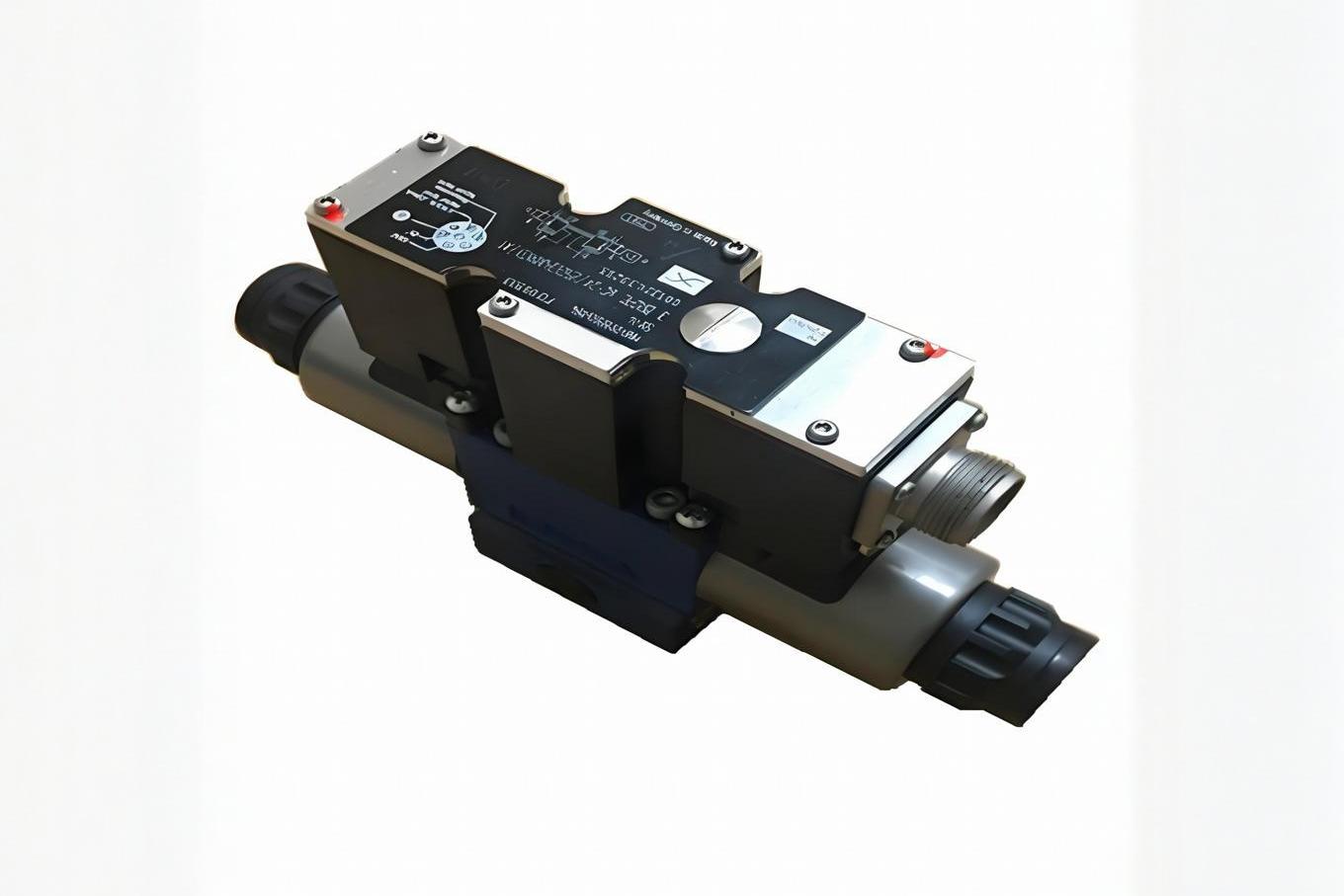
Proportional Valves
Precision valves that provide variable flow or pressure control proportional to an electrical input signal, enabling precise system control in automated applications.
Valve Maintenance Tips
- Keep hydraulic fluid clean to prevent valve contamination and spool sticking
- Check for spool sticking or erratic operation that indicates wear or contamination
- Inspect valve seats and sealing surfaces for wear or damage
- Ensure proper electrical connections for solenoid and proportional valves
Hydraulic Cylinder Components
Hydraulic cylinder components are hydraulic parts that convert fluid pressure into linear mechanical force and motion. These hydraulic parts are used in countless applications from construction equipment to manufacturing machinery.
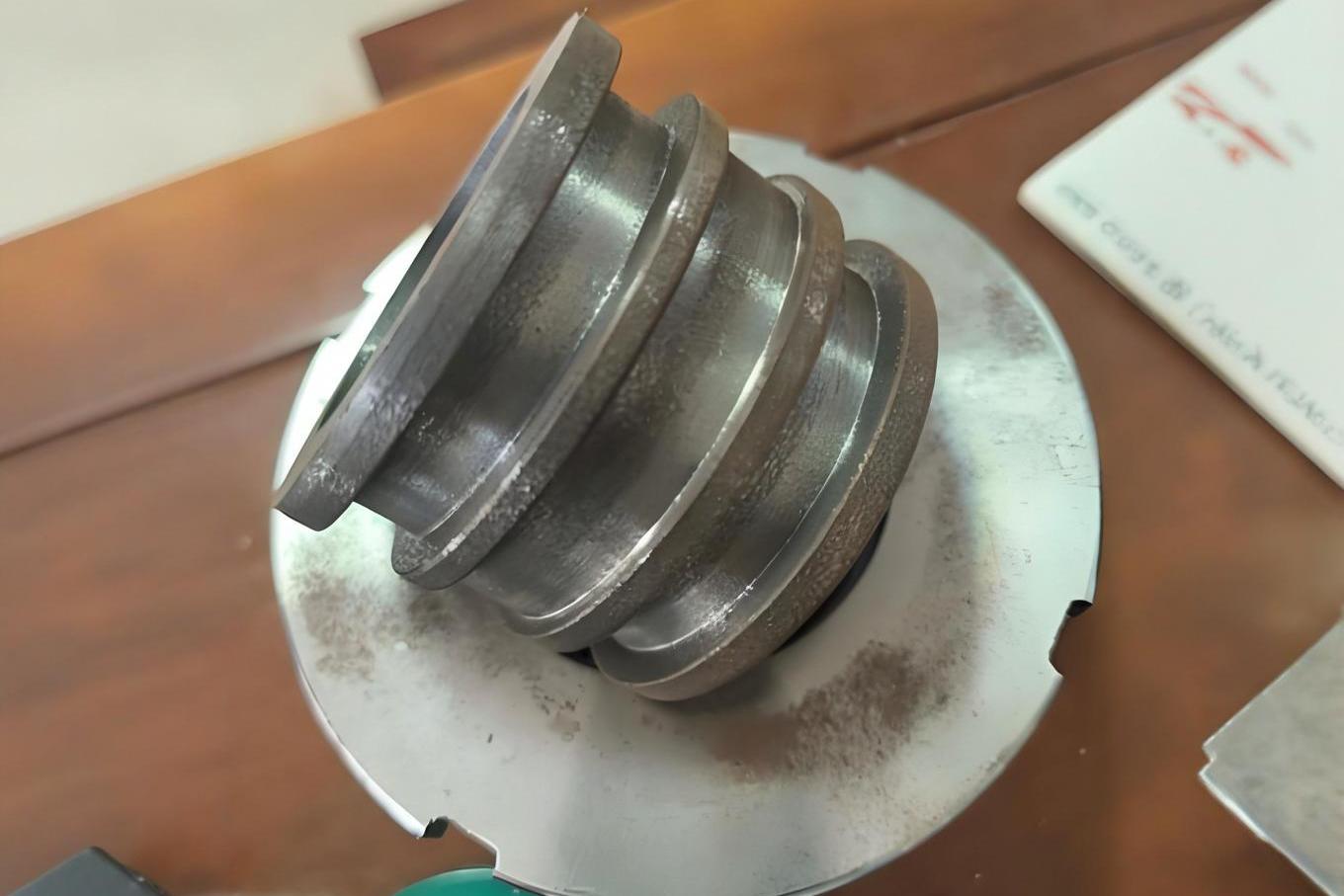
Pistons
Hydraulic parts that separate the pressure zones within a cylinder barrel, containing seals that prevent fluid from bypassing around the piston for efficient operation.
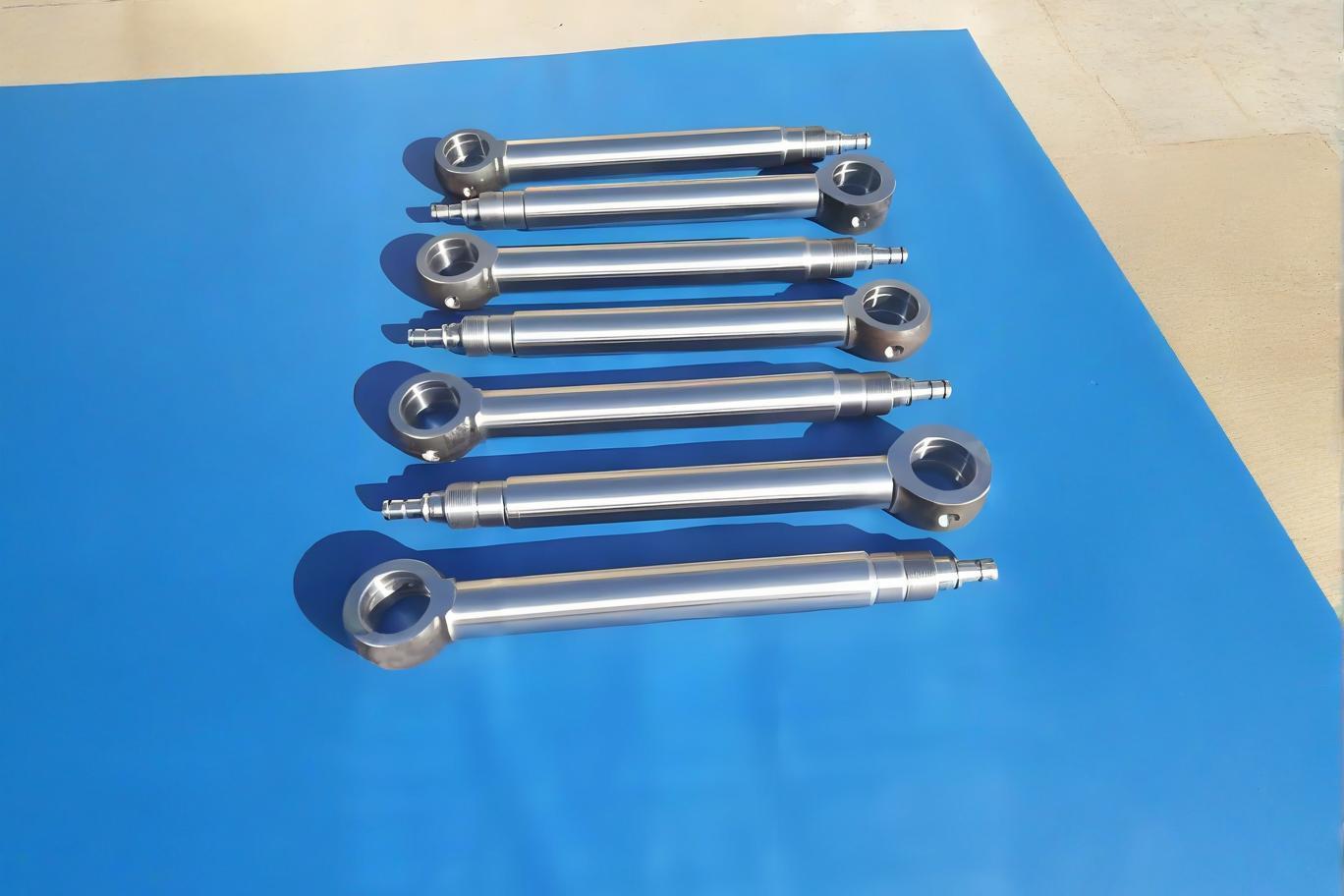
Piston Rods
Hydraulic parts that connect the piston to the external load, designed to withstand both axial loads and bending forces with high-strength materials and precise machining.
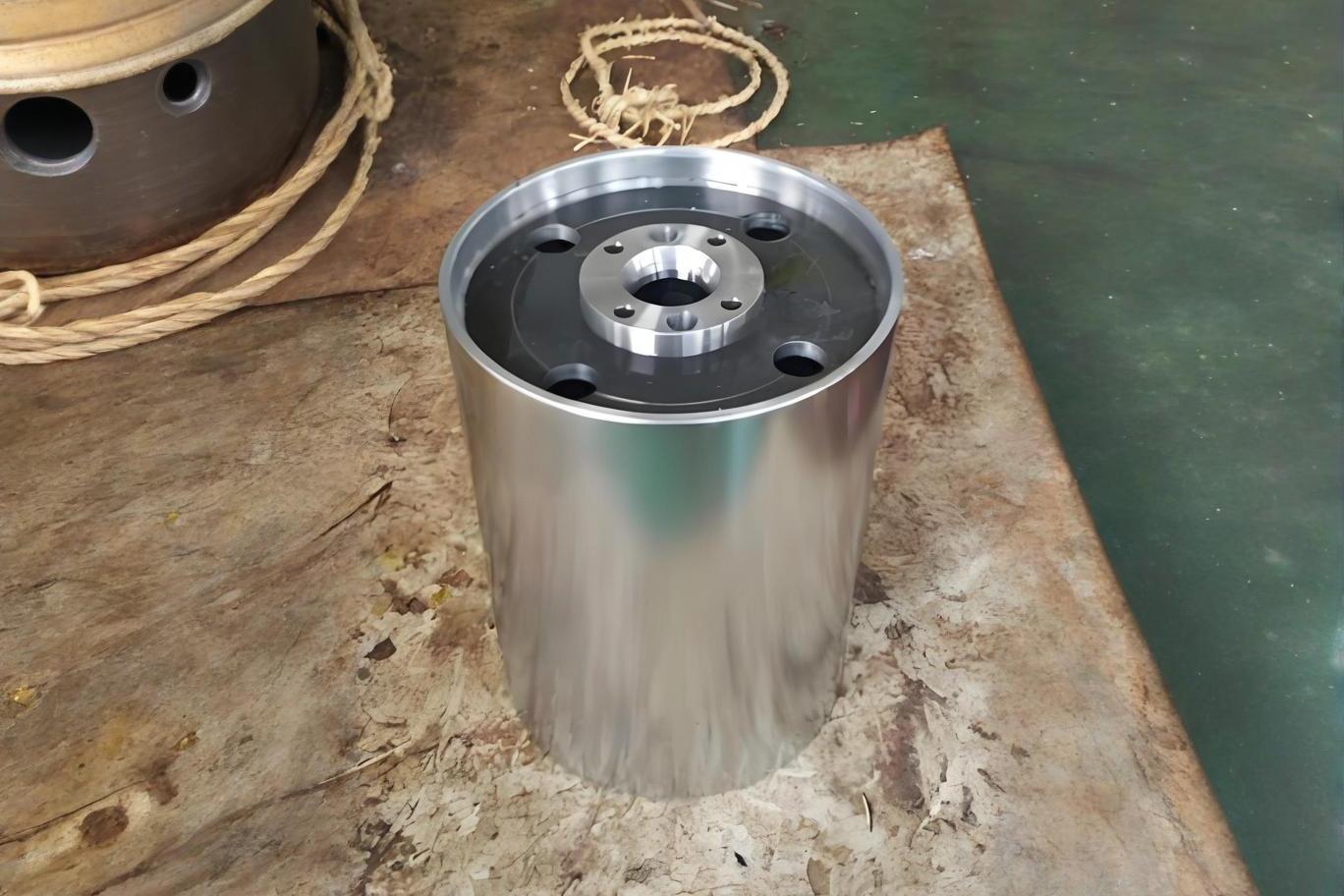
Cylinder Barrels
Hydraulic parts that form the pressure vessel of the cylinder, typically seamless steel tubes with precision honed inner surfaces to minimize seal wear during operation.
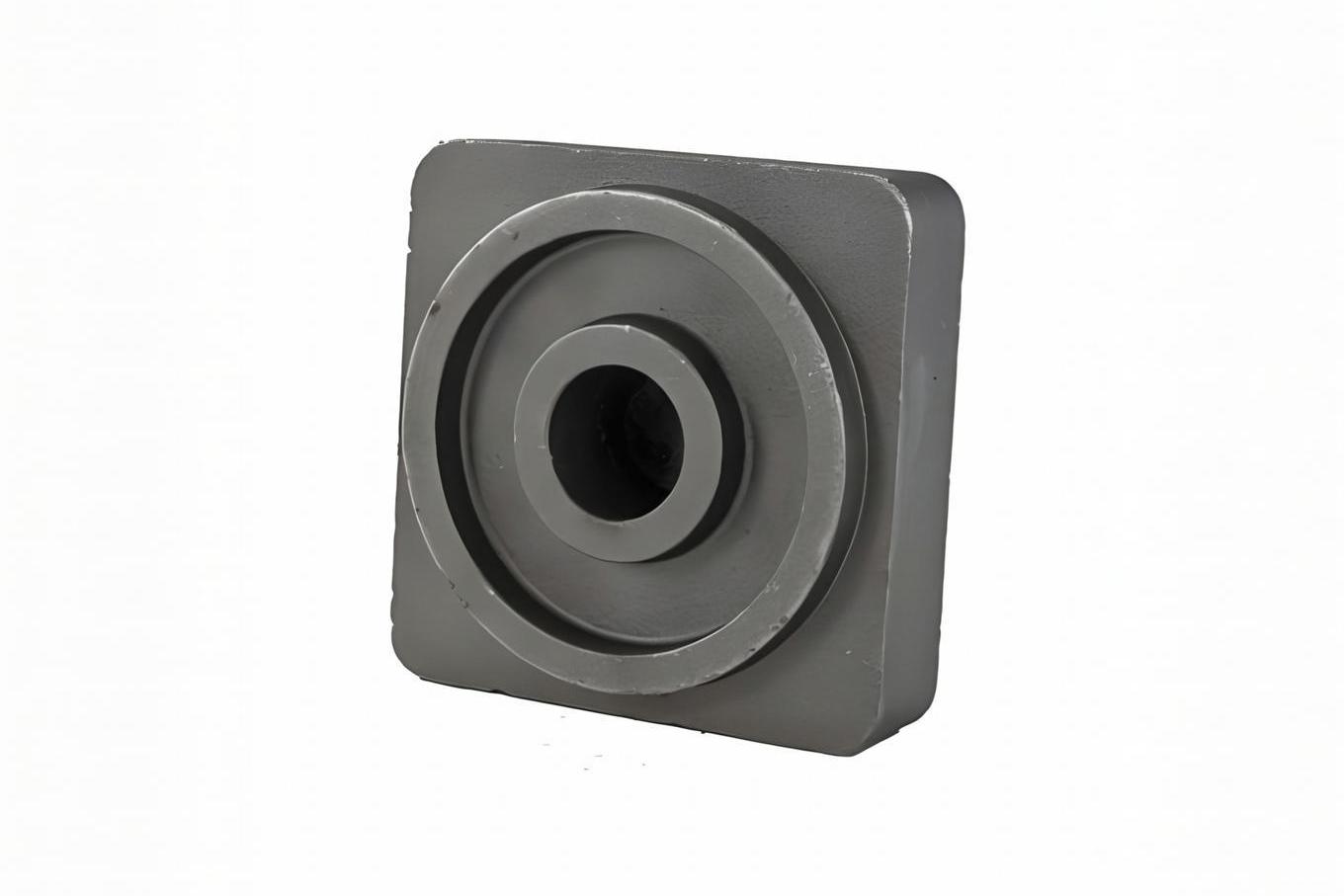
End Caps
Hydraulic parts that enclose the ends of the cylinder barrel, containing the fluid pressure and guiding the piston rod with integrated ports for fluid inlet and outlet.
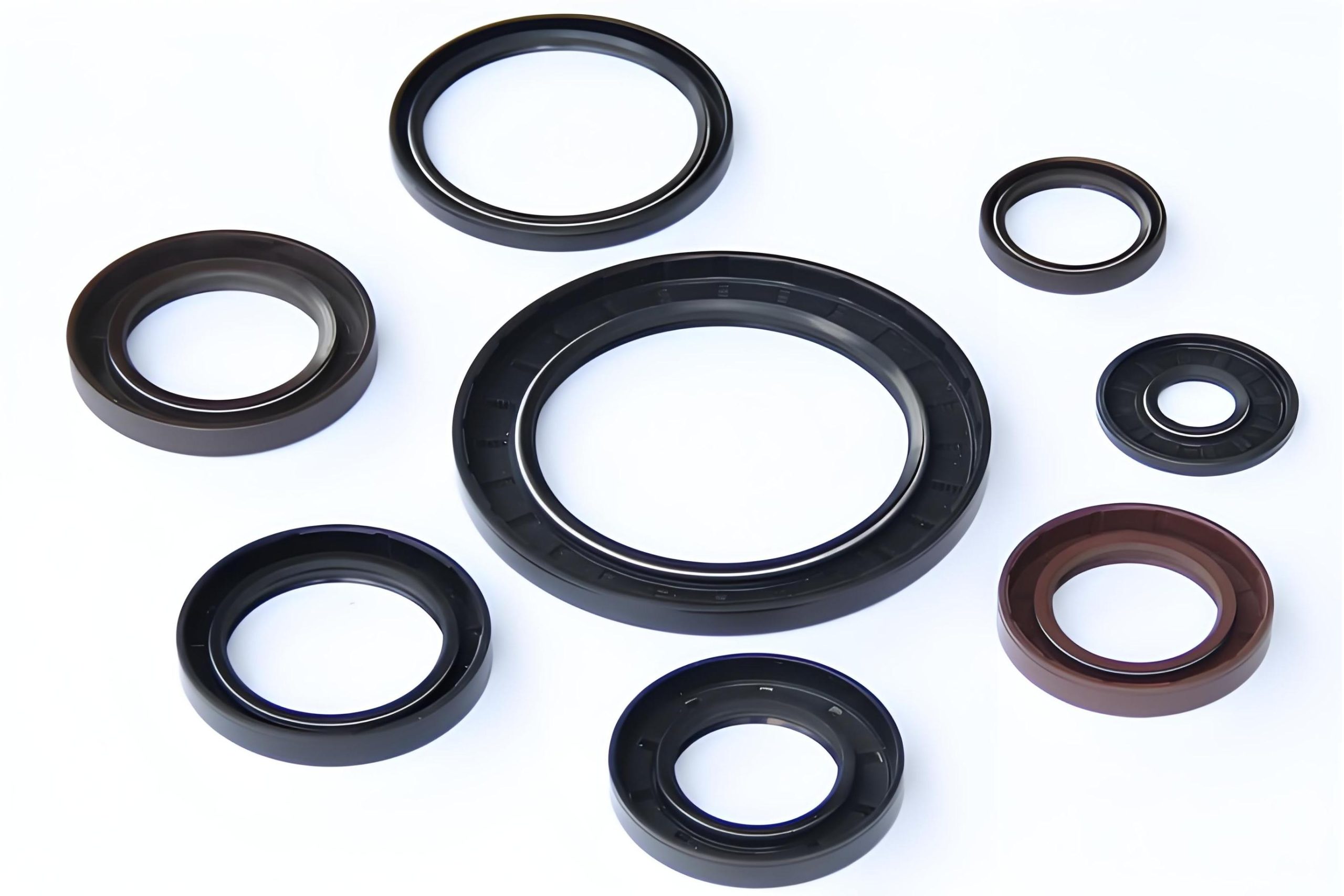
Seals & Wipers
Critical hydraulic parts that prevent fluid leakage with piston seals for internal sealing, rod seals for external sealing, and wipers to remove contaminants from the rod.
Cylinder Maintenance Guidelines
- Inspect rod surface regularly for scratches or corrosion that can damage seals
- Check for leakage around rod seals and end caps indicating worn seals
- Ensure proper alignment to prevent bending loads on the piston rod
- Replace seals as a complete kit for proper mating and optimal performance
Hydraulic Hoses & Fittings
Hydraulic hoses and fittings are hydraulic parts that connect components in a hydraulic system, allowing fluid to transfer between them. These hydraulic parts must withstand high pressures while maintaining a secure connection.
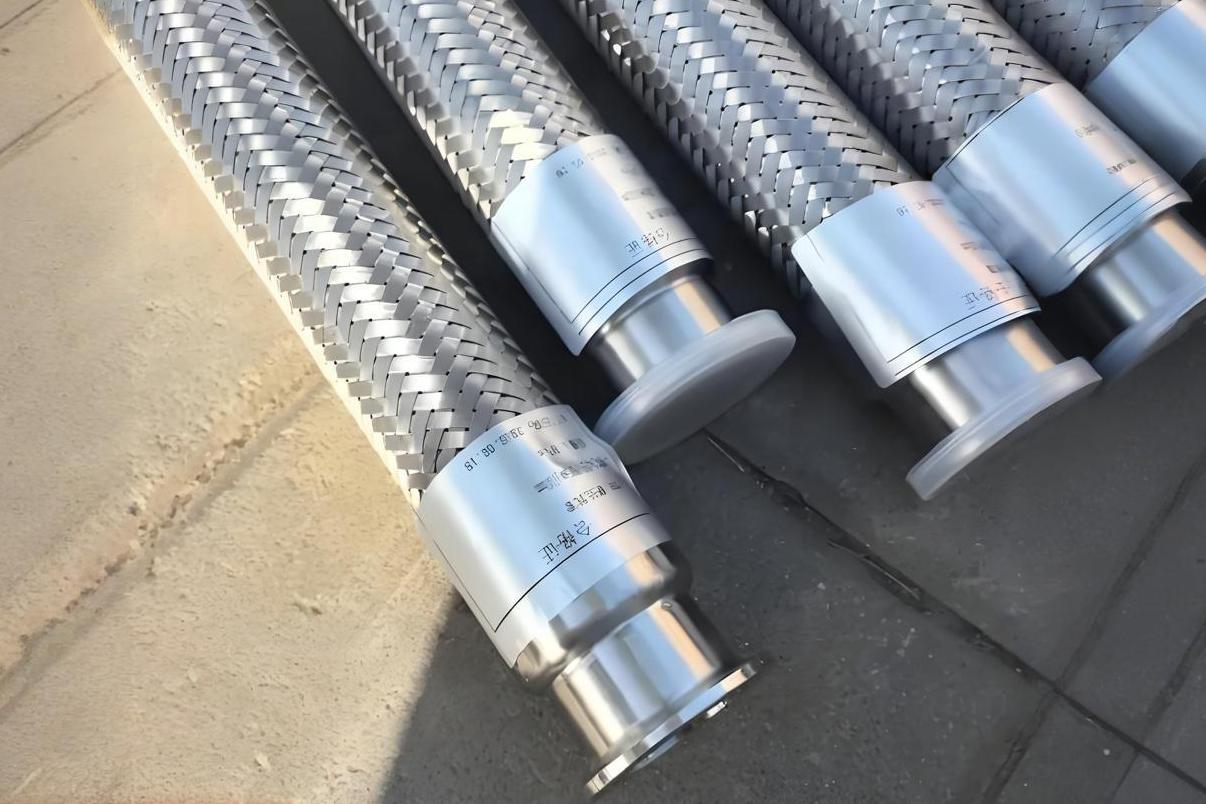
Braided Hydraulic Hoses
Flexible hydraulic parts with one or two layers of braided steel wire reinforcement, suitable for medium-pressure applications in various hydraulic systems.
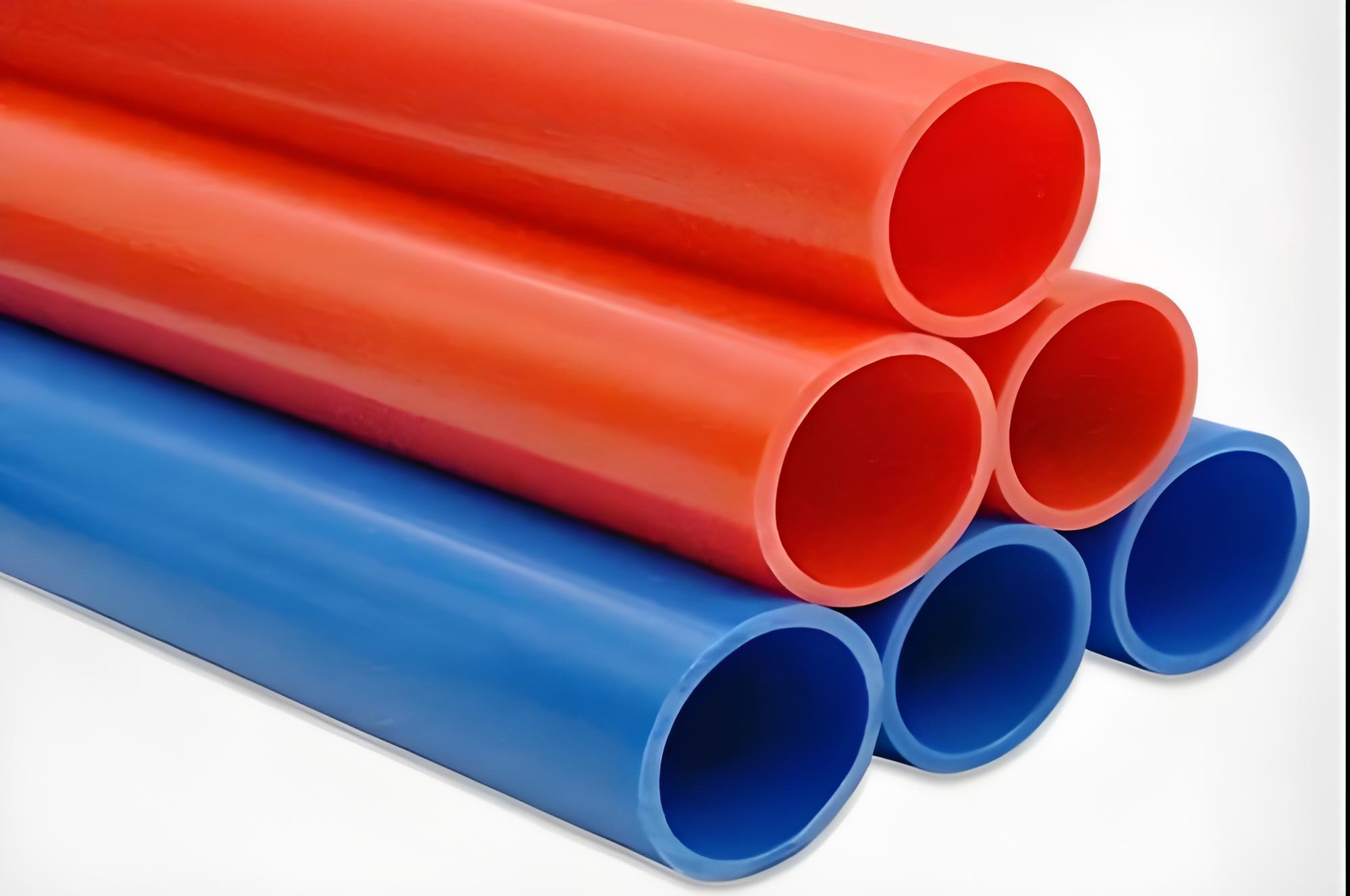
Spiral Hydraulic Hoses
Heavy-duty hydraulic parts with multiple layers of spiraled steel wire for high-pressure applications up to 6000 psi or higher in demanding environments.
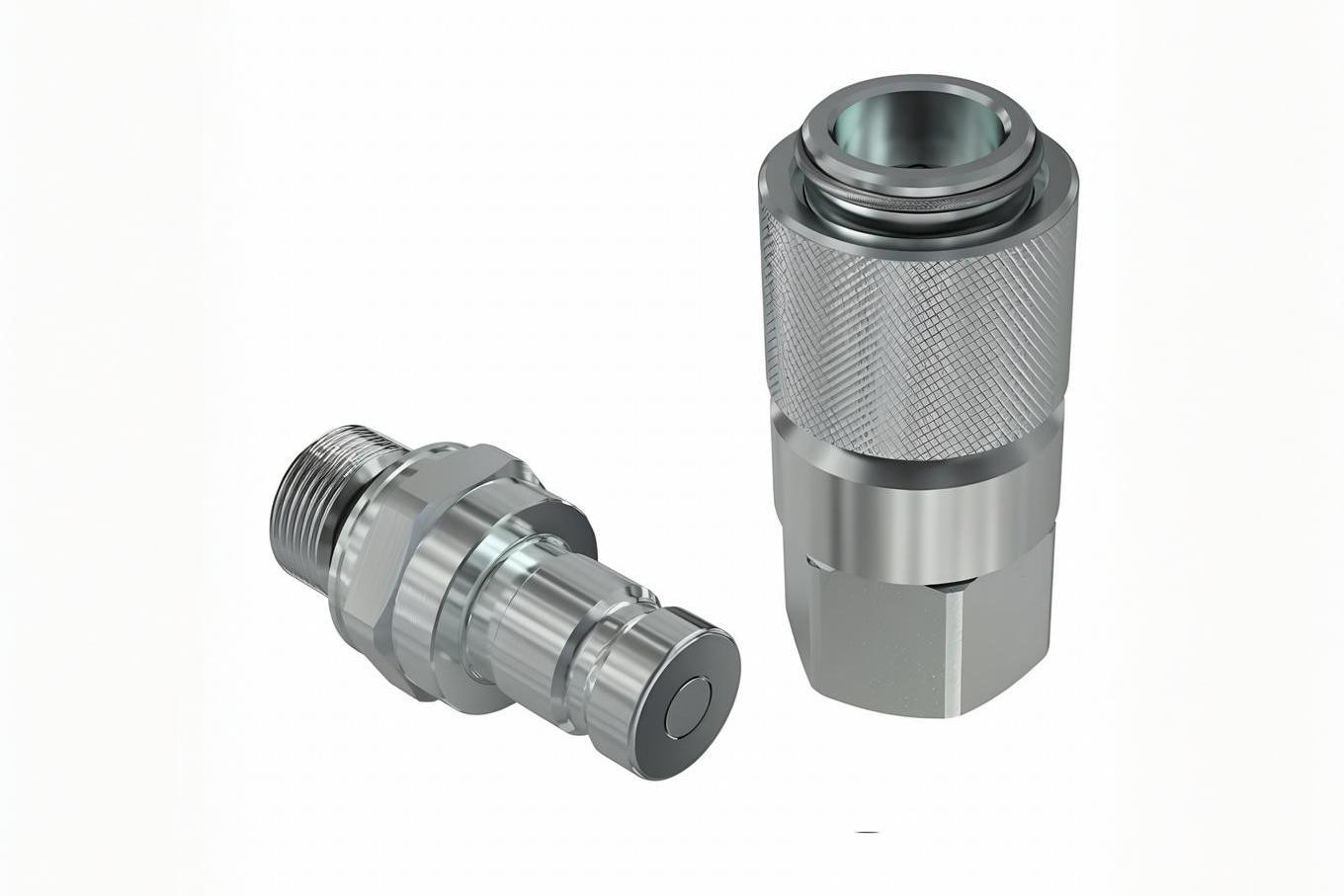
Quick Couplings
Hydraulic parts that allow for rapid connection and disconnection of hydraulic lines without fluid loss, essential for equipment requiring frequent hose changes.
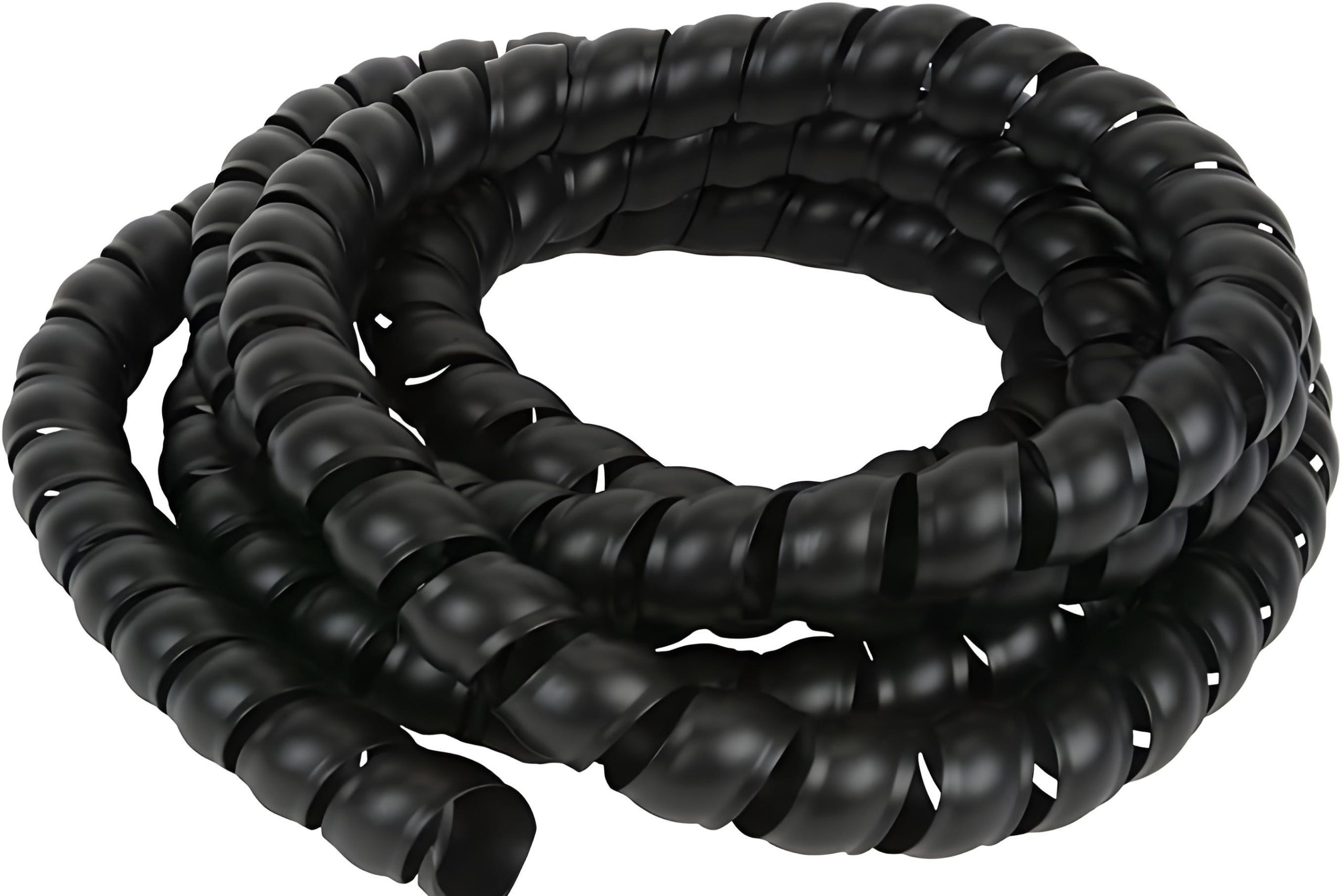
Hose Protection
Sleeves, guards, and clamps that protect hydraulic hoses from abrasion, kinking, and external damage, extending service life in harsh operating environments.
Hose Installation Best Practices
- Use proper hose length with 5-10% slack to accommodate movement and prevent tension
- Avoid twisting during installation by marking hoses before assembly
- Maintain minimum bend radius specified by manufacturer to prevent flow restriction
- Ensure proper clamping to prevent movement and abrasion against other components
Hydraulic System Accessories
Accessories are hydraulic parts that support and enhance the operation of hydraulic systems. These hydraulic parts include storage, cooling, monitoring, and other auxiliary components essential for system performance.
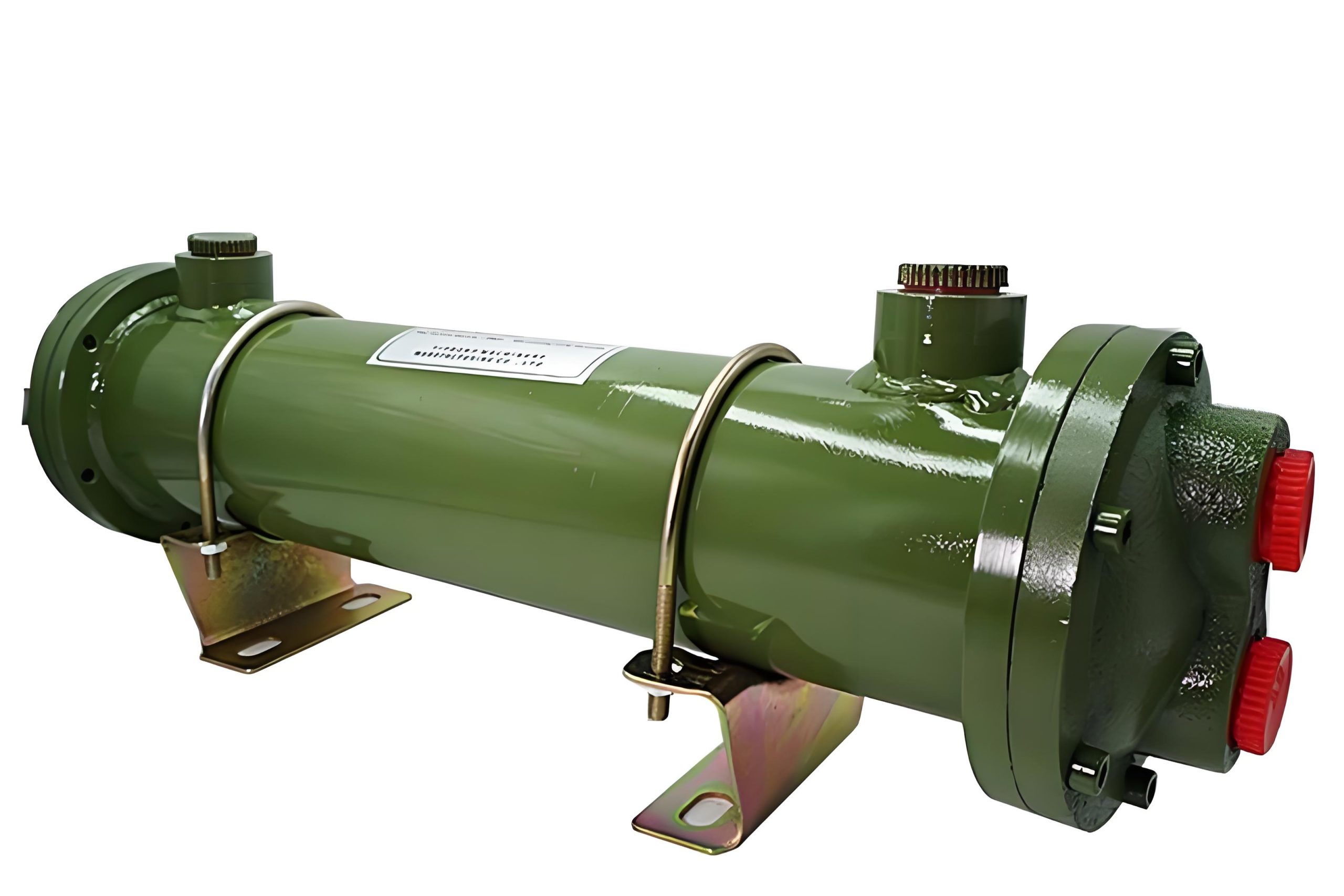
Hydraulic Coolers
Heat-exchange hydraulic parts that remove excess heat from hydraulic fluid, preventing overheating that can degrade fluid properties and damage system components.
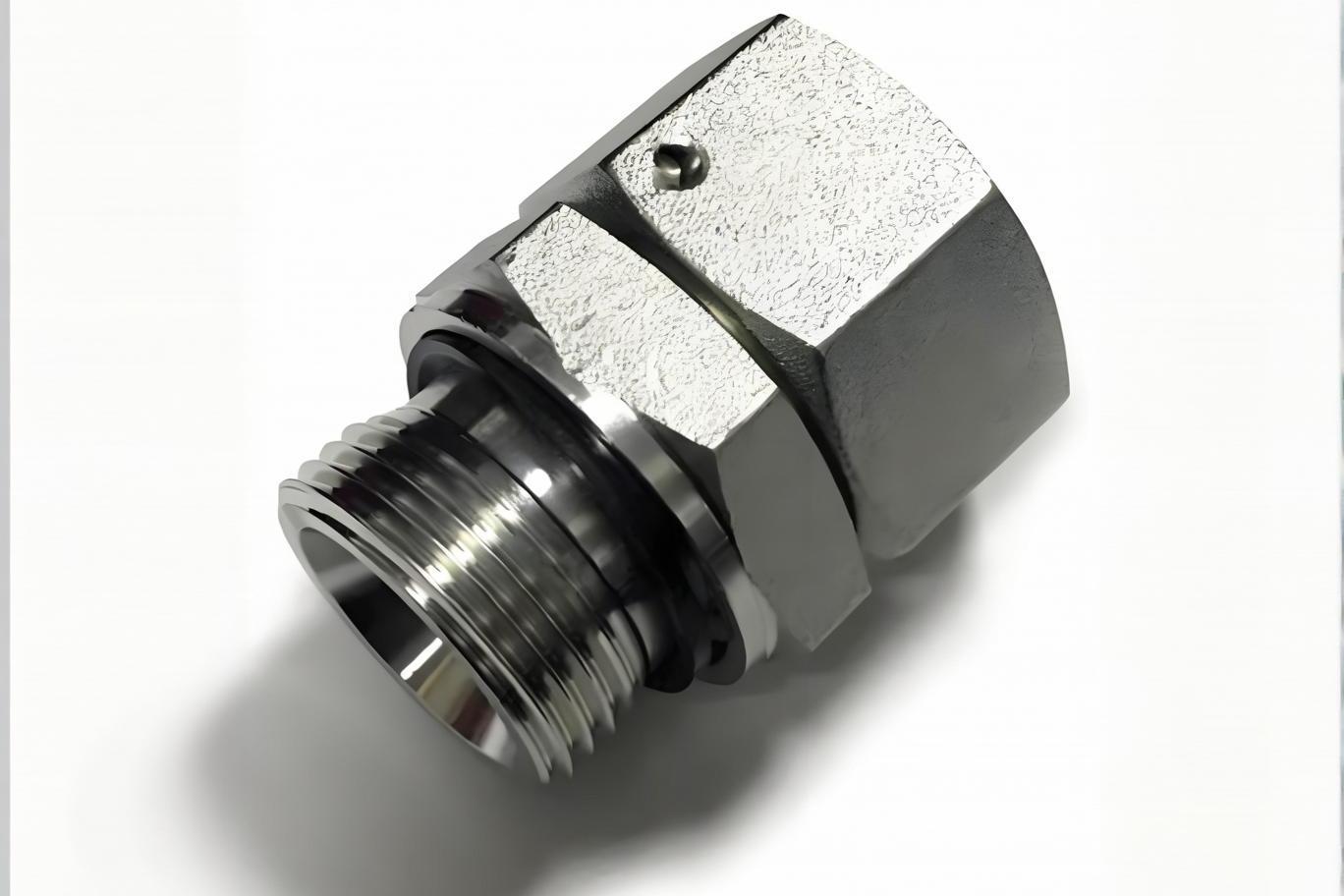
Reservoir Components
Parts of the fluid storage system including filler breathers, drain plugs, fluid level indicators, and baffles that promote cooling and contamination settlement.
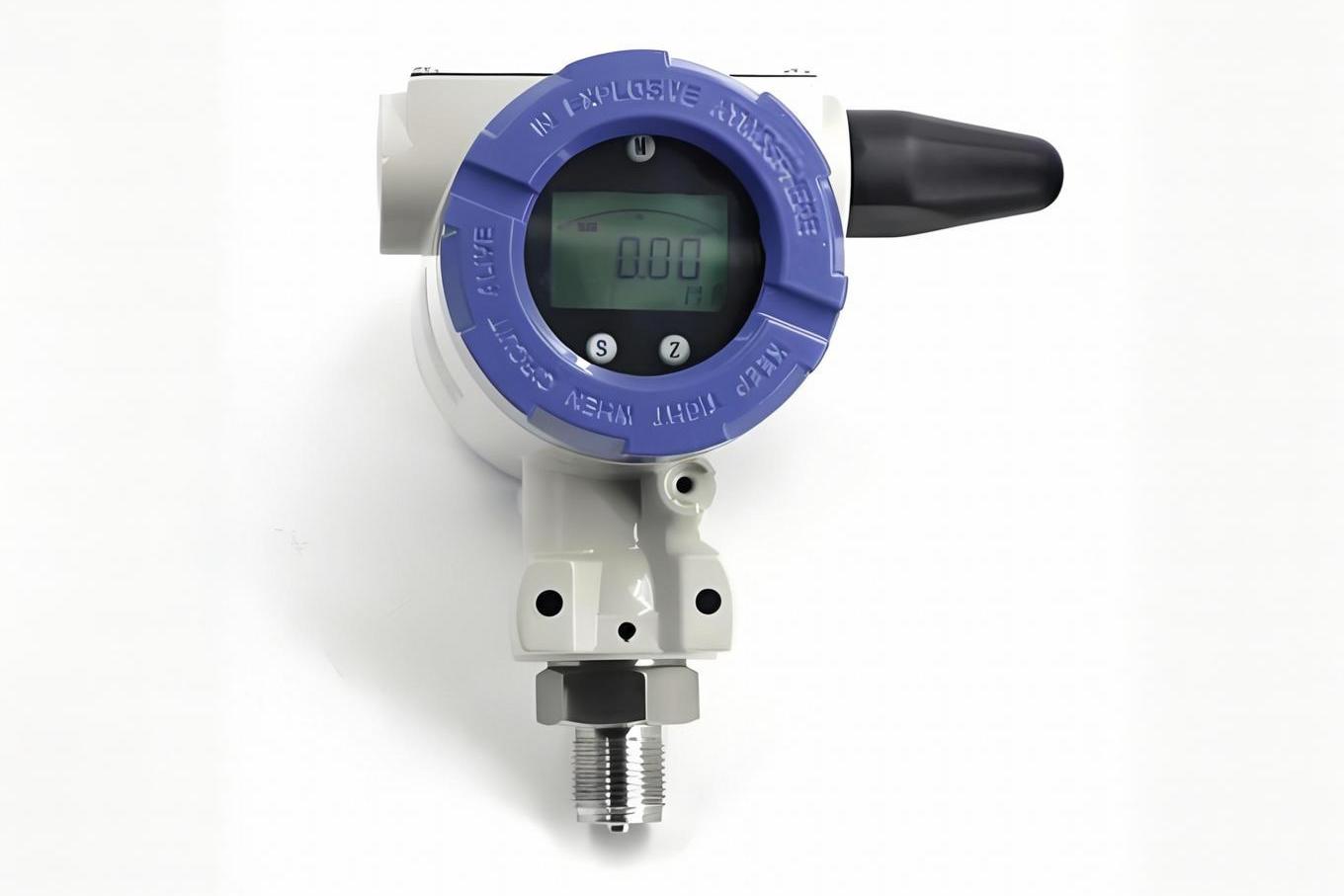
Pressure Gauges & Sensors
Hydraulic parts that monitor system pressure, providing operators with critical information about system performance and alerting to potential issues.
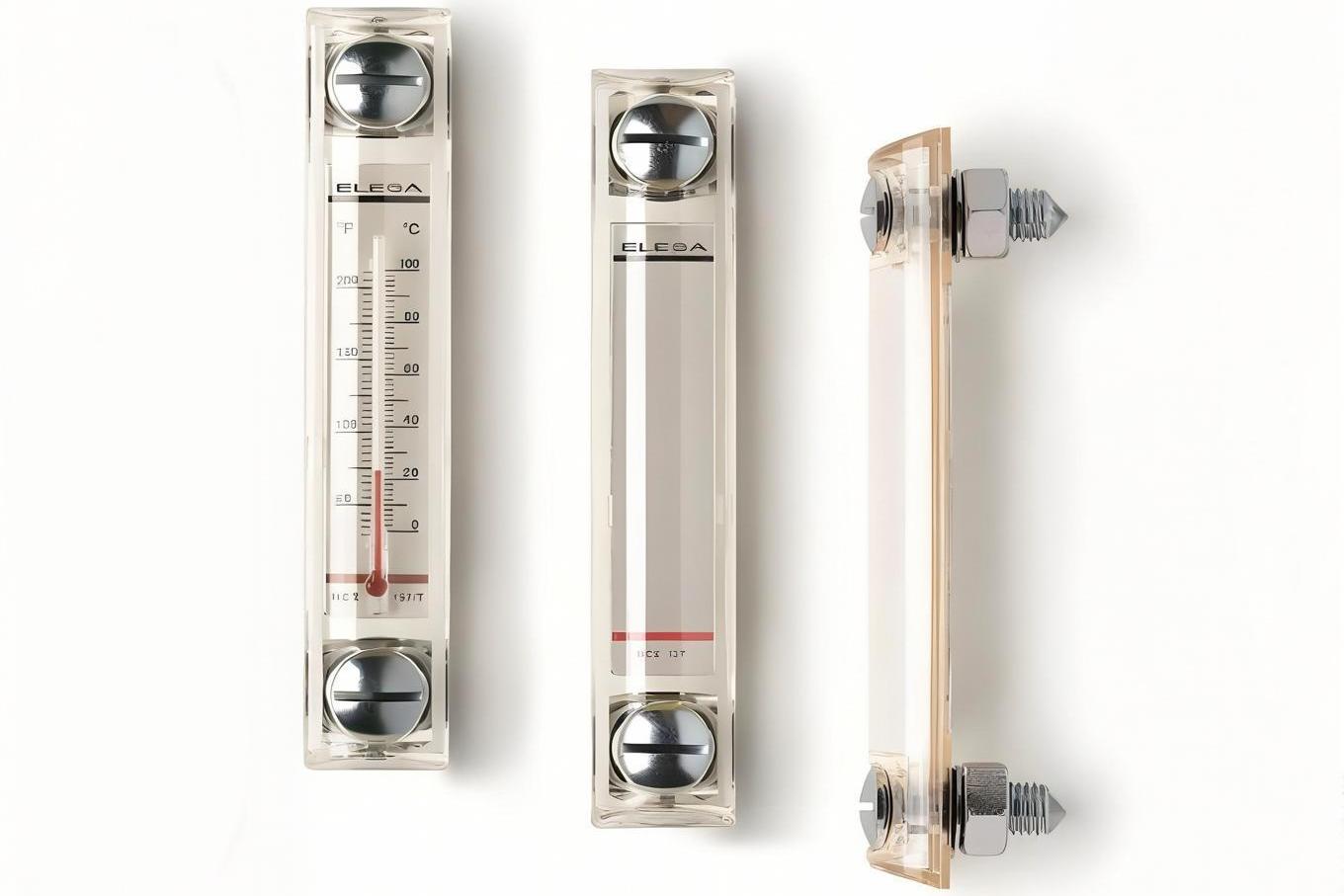
Level Indicators
Hydraulic parts that show the fluid level in the reservoir, allowing operators to check for proper levels and detect leaks with sight glasses or electronic sensors.
Accessory Maintenance Tips
- Calibrate pressure gauges annually for accurate system pressure readings
- Clean reservoir breather filters regularly to prevent contamination ingress
- Inspect accumulator pre-charge pressure periodically according to manufacturer recommendations
- Clean cooler fins to maintain heat transfer efficiency and prevent overheating
Manufacturing Process of Hydraulic Parts
The production of high-quality hydraulic parts involves precise manufacturing processes to ensure they meet strict performance and reliability standards.
1
Material Selection
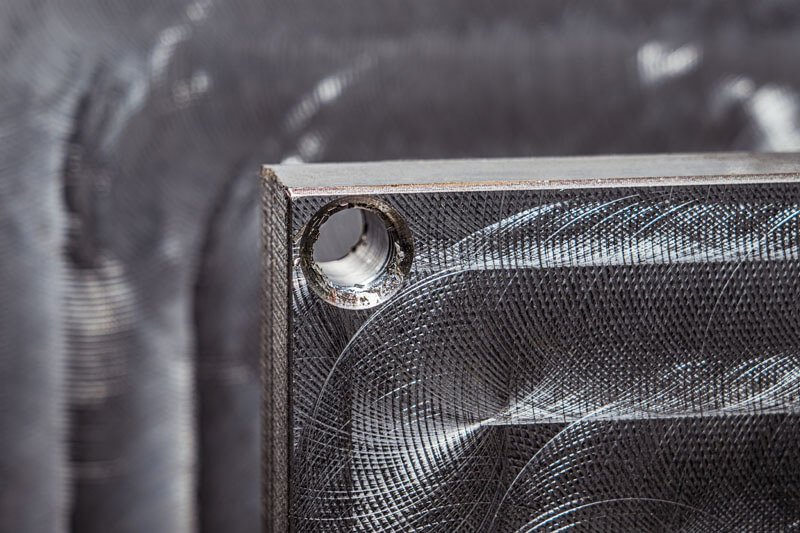
The manufacturing process begins with careful material selection based on the specific application requirements of the hydraulic parts. Common materials include various grades of steel, stainless steel, aluminum, brass, and specialized alloys.
Material selection considers factors such as pressure rating, temperature resistance, chemical compatibility, wear resistance, and cost-effectiveness to ensure optimal performance of hydraulic parts in their intended environment.
2
Precision Machining
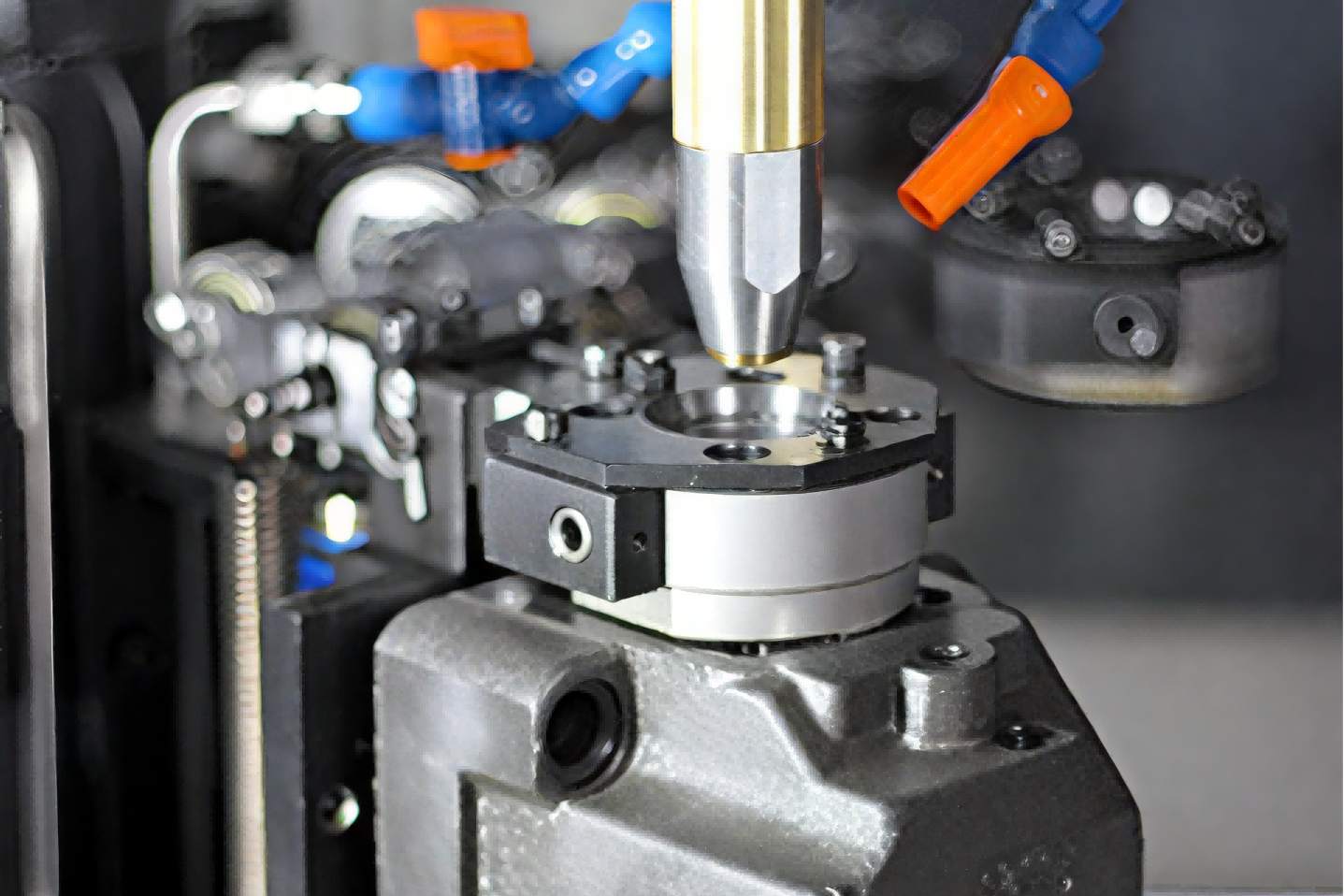
Hydraulic parts require tight tolerances and smooth surface finishes, achieved through precision machining processes. CNC turning, milling, and grinding operations create the complex geometries needed for proper functionality.
Advanced machining centers with multi-axis capabilities produce intricate hydraulic parts with high repeatability, ensuring consistent performance across production runs.
3
Heat Treatment
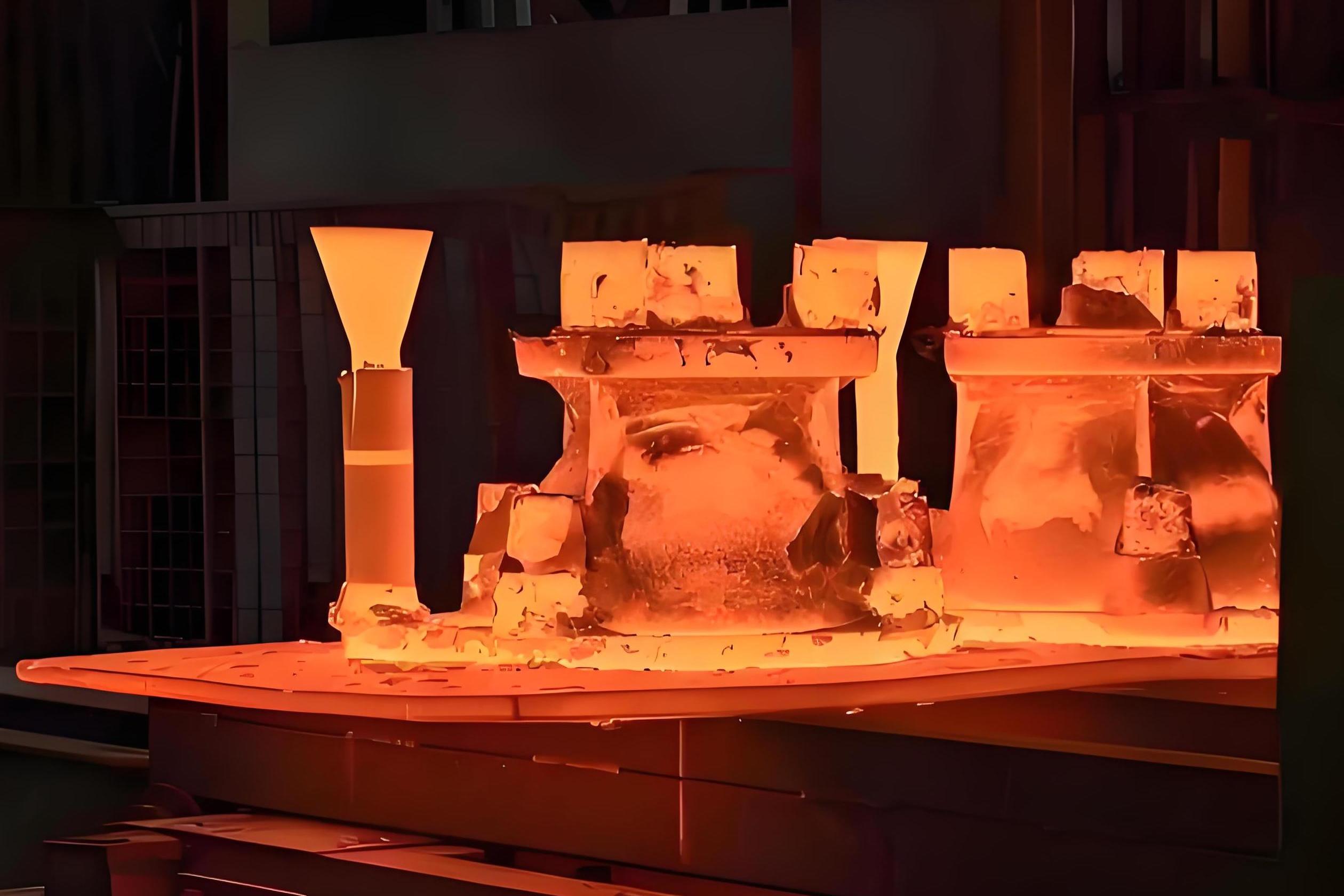
Many hydraulic parts undergo heat treatment to enhance their mechanical properties. Processes like annealing, quenching, and tempering improve strength, hardness, and wear resistance for critical components.
Controlled cooling rates and temperature profiles ensure consistent material properties throughout the hydraulic parts, preventing premature failure under high-pressure conditions.
4
Surface Treatment
Surface treatments protect hydraulic parts from corrosion, reduce friction, and improve wear resistance. Common treatments include chrome plating, nickel plating, anodizing, and various types of industrial coatings.
These treatments also improve the sealing capabilities of hydraulic parts by providing smooth, uniform surfaces that mate properly with seals and other components.
5
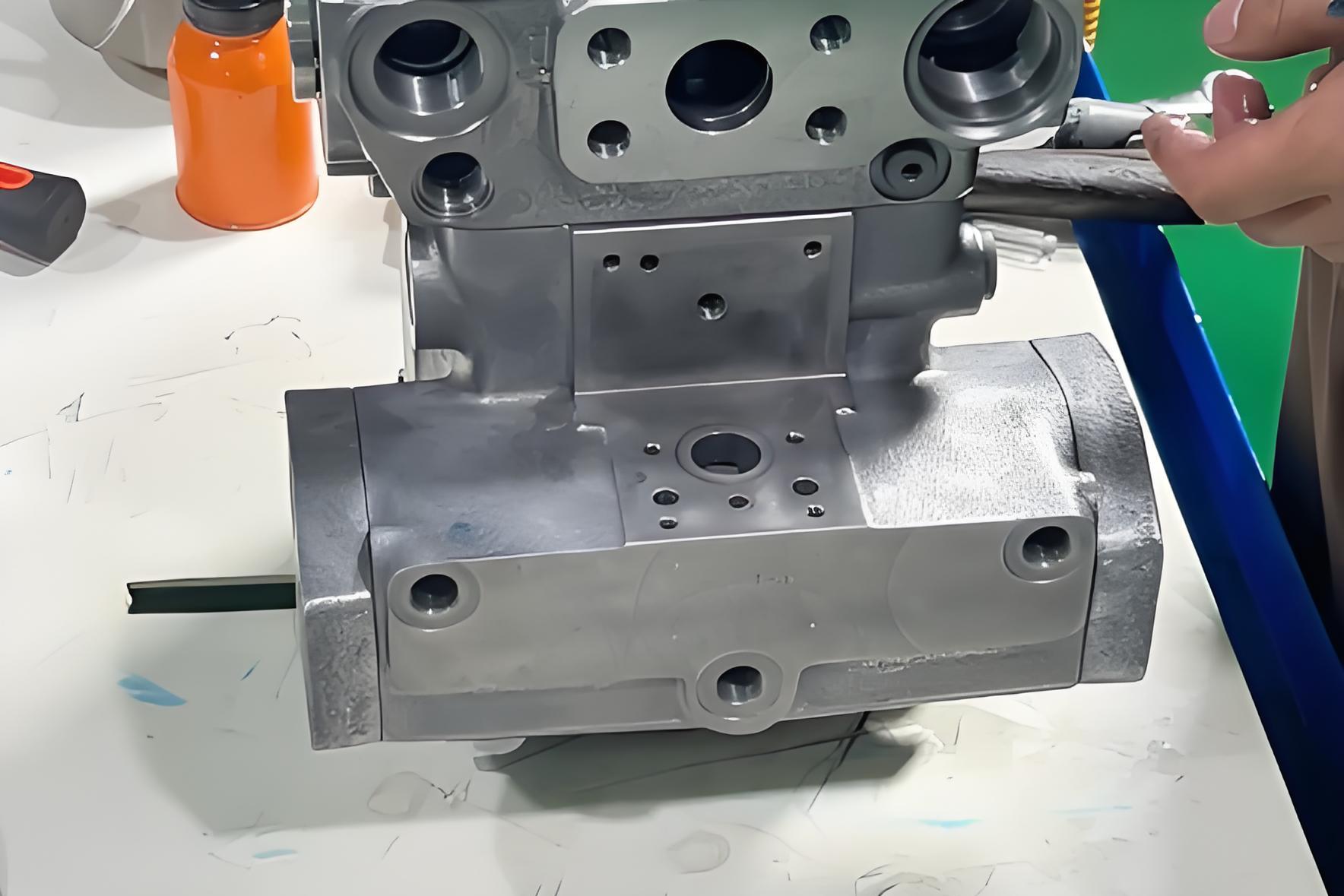
Component Assembly
Individual hydraulic parts are carefully assembled into complete components using precision tools and techniques. Proper torque specifications, seal installation, and alignment are critical during this phase.
Automated assembly systems ensure consistent quality, while manual assembly is used for complex components requiring specialized skills and attention to detail.
6
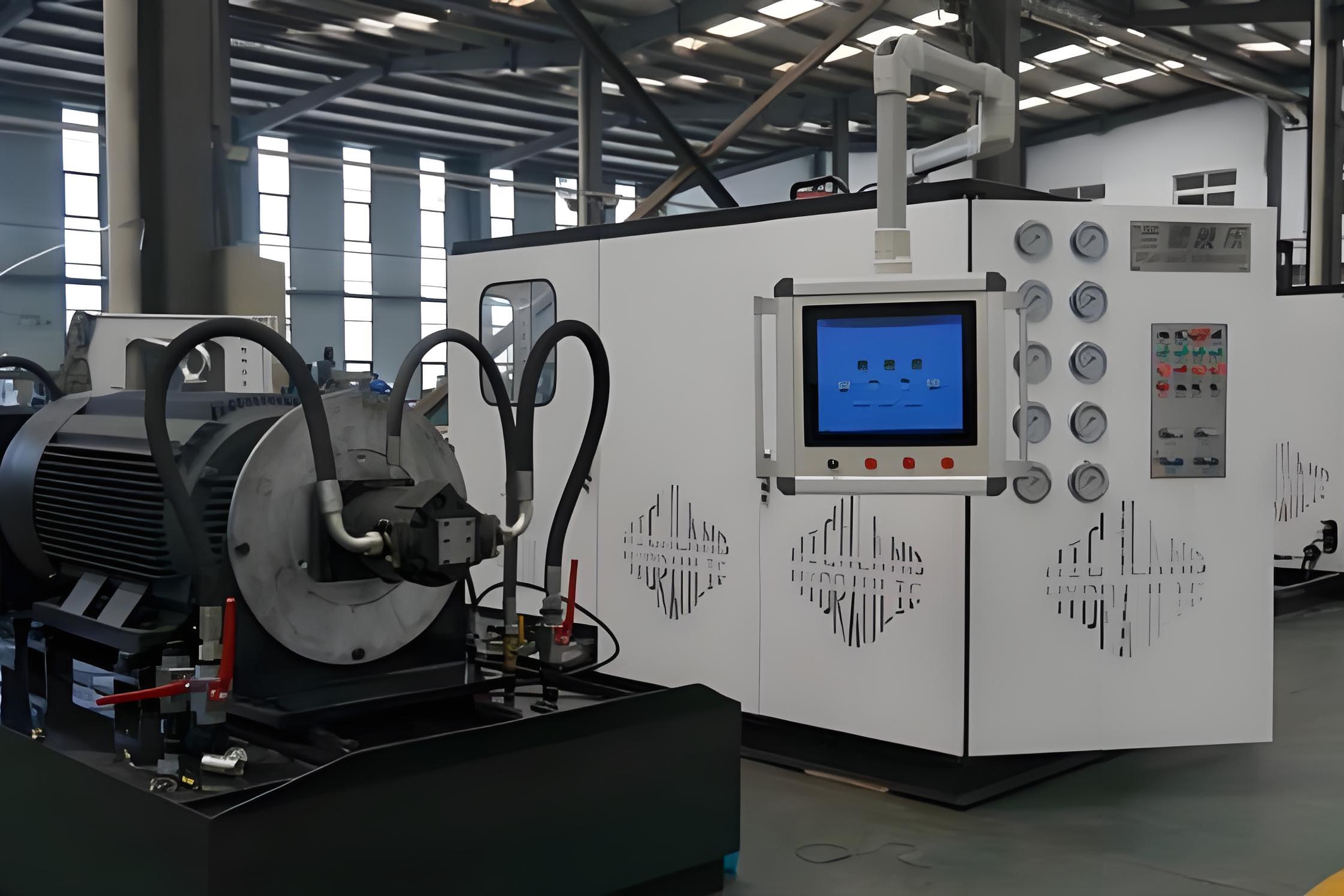
Testing and Quality Control
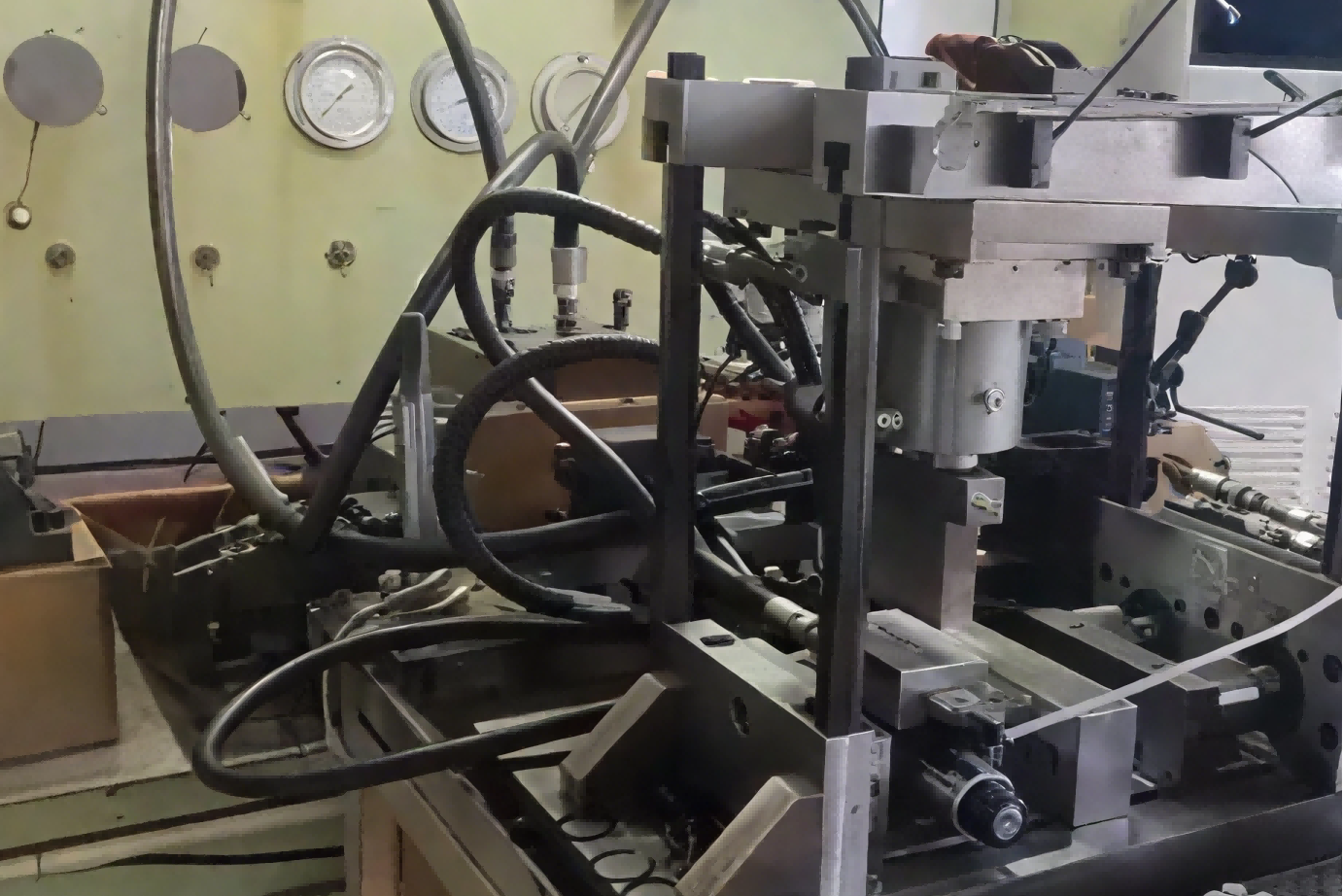
The final stages involve assembling individual hydraulic parts into complete components or systems. This is followed by rigorous testing to ensure functionality, performance, and leak-free operation.
Testing procedures include pressure testing, flow testing, and functional testing under various operating conditions. Only hydraulic parts that meet strict quality standards proceed to packaging and distribution.
Advanced Quality Control for Hydraulic Parts
Dimensional Inspection
Advanced measuring tools such as CMMs (Coordinate Measuring Machines) ensure hydraulic parts meet precise dimensional specifications, verifying critical tolerances and geometries.
Material Testing
Spectroscopy, hardness testing, and tensile testing verify material composition and properties, ensuring hydraulic parts meet strength and performance requirements.
Performance Validation
Hydraulic parts undergo rigorous performance testing under simulated operating conditions to ensure they meet or exceed design specifications for pressure, flow, and durability.
Hydraulic Parts Applications
Hydraulic parts are used across a wide range of industries, providing power, precision, and reliability in various applications and operating environments.
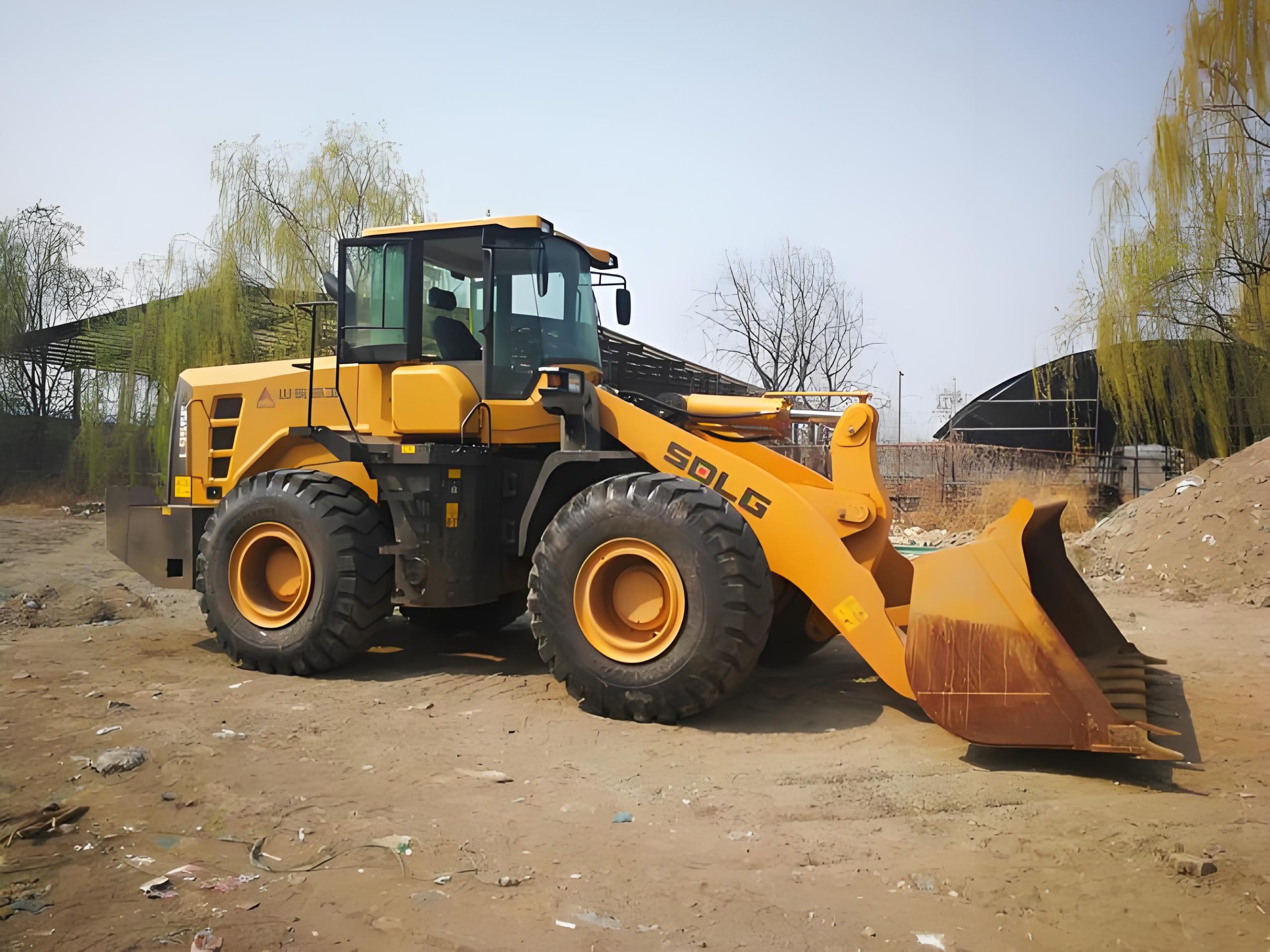
Construction Industry
Construction equipment relies heavily on hydraulic parts for their power and versatility. Excavators, bulldozers, cranes, and concrete pumps all use hydraulic systems for their primary functions.
Key hydraulic parts in construction include heavy-duty cylinders, high-pressure hoses, robust pumps, and control valves designed to withstand harsh environments and heavy loads.
Excavators
Cranes
Bulldozers
Concrete Pumps
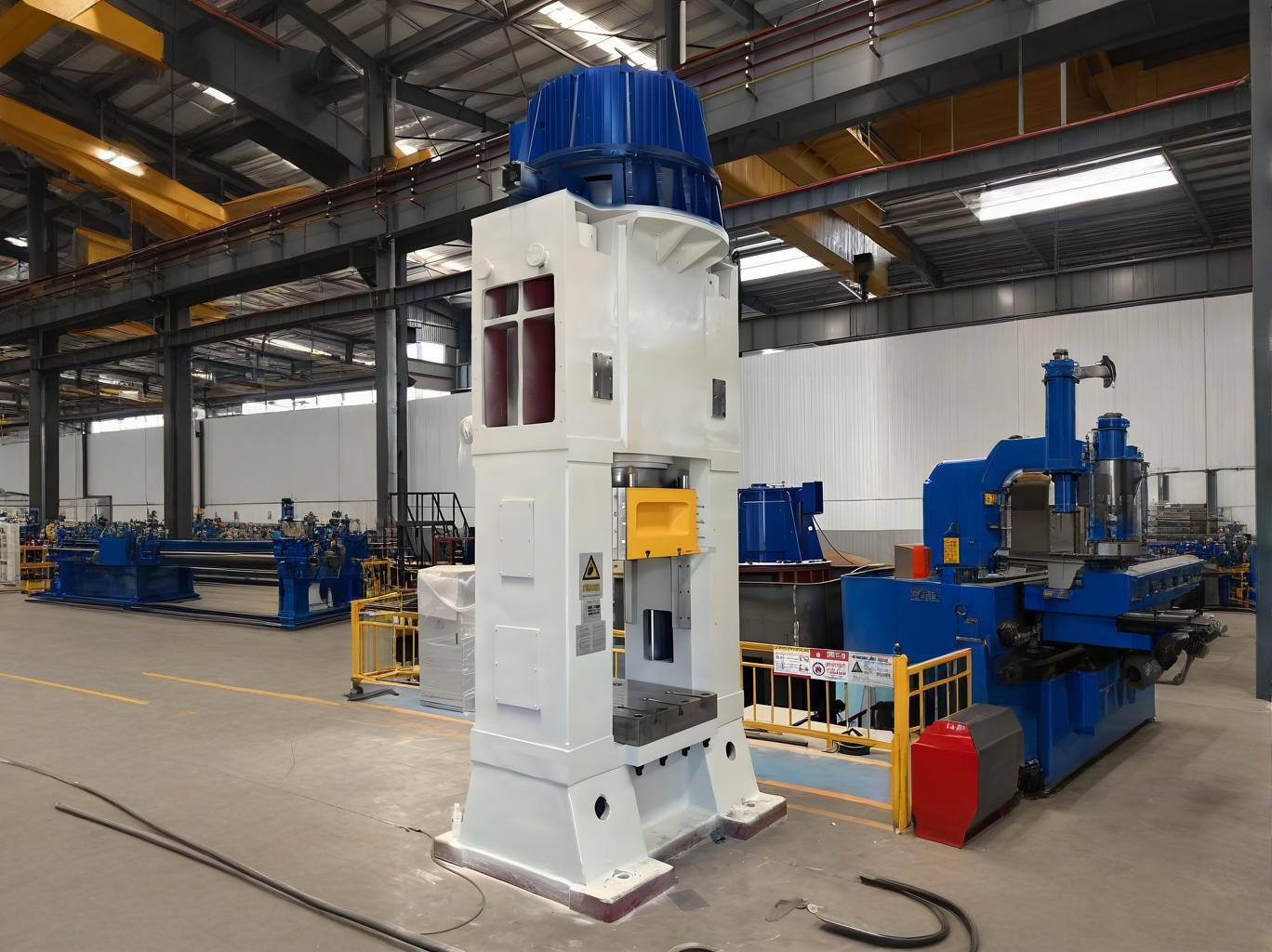
Manufacturing Industry
In manufacturing, hydraulic parts power presses, injection molding machines, robotic arms, and material handling systems. They provide the precise force and control needed for forming, shaping, and assembling components.
Hydraulic parts in manufacturing applications include high-pressure hoses, precision valves for control, accumulators for energy storage, and filters to maintain fluid cleanliness in sensitive equipment.
Presses
Injection Molding
Robotics
Assembly Lines
Agriculture Industry
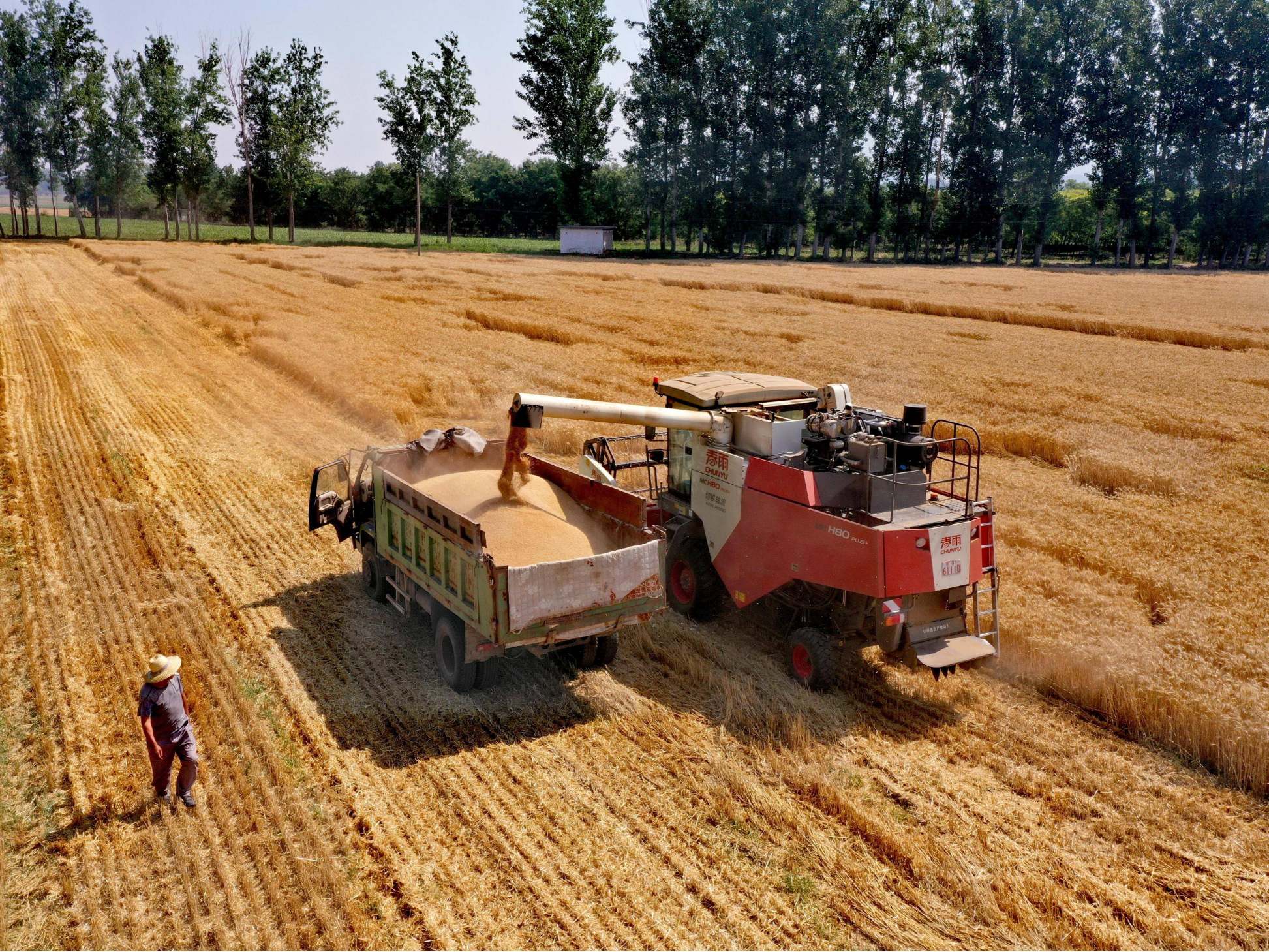
Modern agricultural equipment uses hydraulic parts extensively for functions like lifting, lowering, and positioning implements. Tractors, combines, and harvesters all rely on hydraulic systems for their operations.
Agricultural hydraulic parts must withstand exposure to dirt, debris, and varying weather conditions while providing reliable operation throughout long working seasons.
Tractors
Harvesters
Irrigation Systems
Sprayers
Marine and Transportation
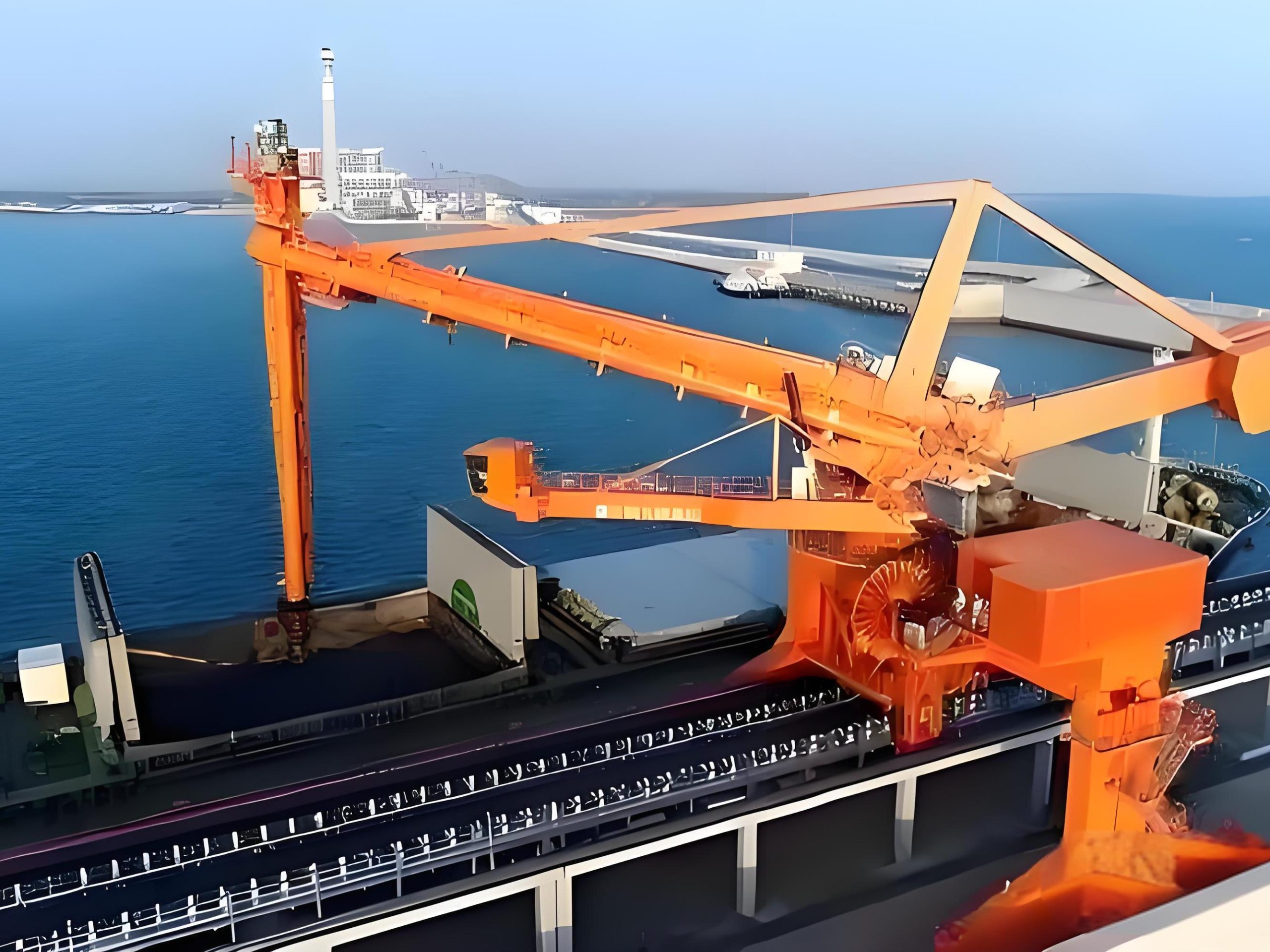
Marine vessels and transportation equipment use hydraulic parts for steering, lifting, and cargo handling. Hydraulic systems provide the power density and reliability needed for these critical applications.
Specialized hydraulic parts designed for marine environments resist corrosion from saltwater, while transportation applications require components that can handle vibration and temperature extremes.
Ships
Trucks
Rail Equipment
Material Handling
Hydraulic Parts Market Distribution by Industry
Maintenance of Hydraulic Parts
Proper maintenance of hydraulic parts is essential for ensuring system reliability, extending service life, and minimizing downtime. A proactive maintenance approach can significantly reduce operating costs and improve performance.
Preventive Maintenance Practices
Fluid Monitoring and Replacement
Regularly check hydraulic fluid levels, condition, and contamination. Replace fluids according to manufacturer recommendations to prevent damage to hydraulic parts from degraded fluid or contaminants.
Filter Replacement
Replace hydraulic filters on schedule to ensure effective contamination control. Clogged or worn filters can allow particles to circulate, causing premature wear of hydraulic parts.
Visual Inspection
Regularly inspect hydraulic parts for signs of leakage, damage, or wear. Check hoses for cracks or abrasion, fittings for tightness, and seals for signs of deterioration.
Temperature Monitoring
Monitor system temperatures to prevent overheating, which can accelerate degradation of hydraulic fluids and damage hydraulic parts such as seals and hoses.
Common Hydraulic Parts Failure Modes
Contamination-Related Failures
Accounts for up to 75% of hydraulic system failures. Particles cause wear between moving hydraulic parts, leading to reduced performance and eventual failure.
Fluid Degradation
Oxidation, thermal breakdown, or contamination of hydraulic fluid reduces lubrication properties, leading to increased friction and wear of hydraulic parts.
Seal Failure
Caused by improper installation, chemical incompatibility, excessive temperature, or wear, leading to leaks and reduced system pressure.
Overpressure Damage
Exceeding pressure ratings can cause permanent damage to hydraulic parts including burst hoses, cracked housings, and valve failure.
Abrasion and Wear
Continuous operation causes gradual wear of moving hydraulic parts, eventually leading to increased clearances, reduced efficiency, and failure.
Hydraulic Parts Troubleshooting Guide
Low System Pressure
- Check for worn pump components
- Inspect relief valve for proper operation
- Look for internal or external leaks
- Check for clogged filters restricting flow
System Overheating
- Check cooler operation and cleanliness
- Verify proper fluid level and viscosity
- Inspect for excessive pressure drops
- Check for misadjusted relief valves
Leaks
- Inspect seals and gaskets for wear
- Check fitting torque and thread condition
- Look for hose damage or deterioration
- Check for component cracks or damage
Maintenance Cost Savings
Quality Standards for Hydraulic Parts
High-quality hydraulic parts must meet stringent industry standards to ensure safety, reliability, and performance. These standards govern material selection, manufacturing processes, and performance criteria.
International Standards
ISO Standards
The International Organization for Standardization (ISO) has developed numerous standards for hydraulic parts, including ISO 4413 for general hydraulic systems, ISO 5598 for hoses, and ISO 6020/2 for cylinders.
SAE Standards
The Society of Automotive Engineers (SAE) provides standards for hydraulic parts used in mobile and industrial applications, covering performance, testing, and safety requirements.
DIN Standards
German Institute for Standardization (DIN) standards specify requirements for hydraulic parts including dimensions, materials, and testing procedures, ensuring interchangeability and performance.
Certification and Compliance
Quality Management
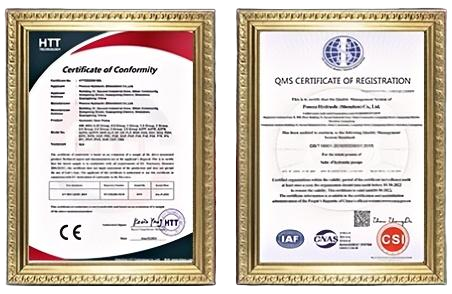
Manufacturers of hydraulic parts should maintain ISO 9001 certification, demonstrating a commitment to quality management systems and continuous improvement.
Safety Compliance
Hydraulic parts must comply with safety standards specific to their application industry, ensuring safe operation and preventing accidents.
Performance Testing
Compliance involves rigorous testing of hydraulic parts under various conditions to verify they meet performance specifications and durability requirements.


