
Hydraulic controls regulate the flow and pressure of hydraulic fluid to operate mechanical systems across industries like construction, manufacturing, agriculture, and aerospace. These control systems manage directional control, pressure control, and flow control—ensuring machinery like excavators, presses, and aircraft landing gear perform with precision and efficiency. The global hydraulics market was valued at $38.38 billion in 2024 and is projected to reach $44.26 billion by 2030, growing at a CAGR of 2.4% (Source: marketsandmarkets.com, 2025).
Understanding what hydraulic controls are for isn’t just about knowing their function—it’s about recognizing how they’ve become the backbone of modern industrial automation. This article examines their applications, benefits, and the technological innovations reshaping their future.
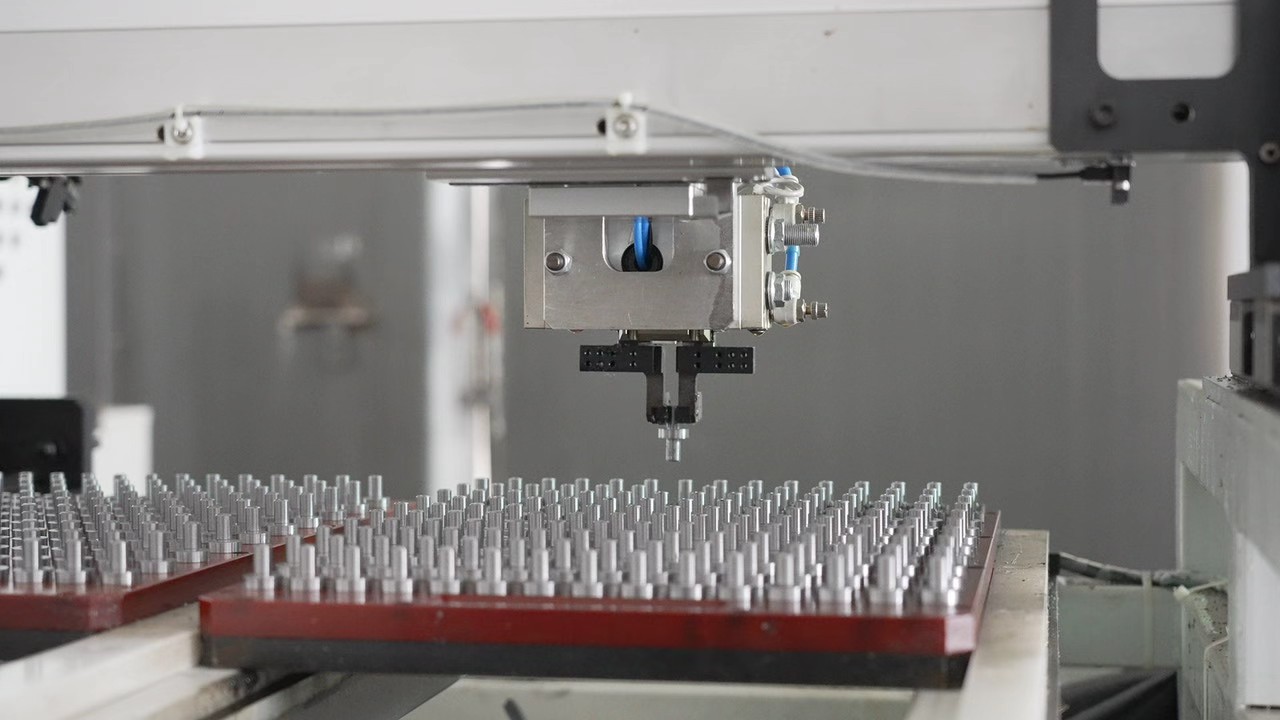
Hydraulic controls operate through three primary mechanisms that manage fluid behavior in different ways. The first type, directional control, determines the path hydraulic fluid takes through the system. The second, pressure control, monitors and maintains optimal pressure levels to prevent system damage. The third, flow control, regulates the rate at which fluid moves through circuits.
Here’s what happens inside a hydraulic control system: pressurized fluid—typically oil—flows from a pump through valves and tubes to actuators. The control valves act as gatekeepers, opening or closing passages to direct this fluid exactly where it’s needed. When an operator moves a lever or presses a button, electronic or mechanical signals tell the valves how much to open, controlling both the speed and force of the machinery.
Directional control valves function like traffic signals for hydraulic fluid. They direct flow to different ports, enabling cylinders to extend or retract and motors to rotate clockwise or counterclockwise. These valves are essential for machinery like hydraulic presses, lifts, and excavators, where precise control of force, speed, and movement is critical (Source: verifiedmarketreports.com, 2025).
Pressure control valves maintain system safety by preventing pressure from exceeding safe operating limits. Relief valves automatically open when pressure builds too high, protecting components from damage. Load-sensing technology has revolutionized pressure control by adjusting output to match real-time demands rather than running at maximum capacity continuously.
Flow control valves determine how quickly hydraulic fluid moves through the system. This directly impacts the speed of machinery operation. Variable displacement pumps work in tandem with flow controls to optimize performance—adjusting flow rates based on demand rather than wasting energy through constant maximum output.
[Insert diagram: Hydraulic control system components and fluid flow paths]
The industry has progressed through distinct evolutionary phases. Danfoss Power Solutions notes that hydraulic products evolved from hydraulic and mechanical interfaces to transitional designs with both lever and digital control, and finally to products specifically designed for digital control (Source: ivtinternational.com, 2024). This digital transformation eliminates the mechanical baggage that added cost and compromised earlier designs.
Hydraulic controls span multiple industries with distinct requirements—from automotive braking systems and steering to construction equipment like excavators and bulldozers, aerospace flight control mechanisms and landing gear, and renewable energy applications in wind turbines and wave energy converters (Source: verifiedmarketreports.com, 2025).
The construction segment dominates the hydraulic equipment market with approximately 19% market share in 2024, driven by extensive use of hydraulic excavators, wheeled tractor scrapers, and shock absorbers (Source: mordorintelligence.com, 2025). In March 2024, India’s Ministry of Road Transport & Highways announced plans to construct 12,000 km of national highways by March 2025, boosting demand for hydraulic road rollers, graders, and excavators (Source: databridgemarketresearch.com, 2025).
What makes hydraulic controls indispensable for construction? They enable machinery to handle the massive forces required for digging, lifting, and breaking while providing operators with precise control. A construction excavator’s boom movements demand both power and finesse—hydraulic controls deliver both.
Agriculture is estimated to record the highest CAGR in the global hydraulics market, driven by rising food demand, labor shortages, and increasing mechanization (Source: marketsandmarkets.com, 2025). India saw record sales of over 900,000 tractors in 2023, many integrating hydraulic systems for implements such as loaders and backhoes (Source: marketsandmarkets.com, 2025).
Modern precision farming requires variable-rate technology and autonomous machinery—both reliant on responsive hydraulic actuation systems. When a tractor needs to adjust implement depth in real-time based on soil conditions, hydraulic controls make those micro-adjustments possible.
According to industry reports, the global hydraulic systems market was valued at $35.18 billion in 2021 and is projected to grow at a CAGR of 6.7% from 2022 to 2030, reflecting increasing adoption in industrial machinery, construction, and energy sectors where high power density and durability are crucial (Source: verifiedmarketreports.com, 2025).
Industrial hydraulic presses shape metal components, injection molding machines require precise pressure control, and automated assembly lines depend on hydraulic actuators for positioning. Machinery and equipment manufacturing witnessed a growth rate of 10.5% in 2017 in developing economies, escalating demand for hydraulic controls globally (Source: industryarc.com).
Aircraft hydraulic systems control critical functions where failure isn’t an option. Landing gear deployment, wing flaps, and braking systems all rely on hydraulic controls. The aerospace sector demands fail-safe redundancy—typically incorporating multiple independent hydraulic circuits to ensure continued operation even if one system fails.
Hydraulic control system costs vary dramatically based on application complexity and performance requirements. Let me break down what different sectors typically invest:
Small mobile equipment hydraulic systems: $5,000-$15,000
Medium construction machinery systems: $20,000-$75,000
Large industrial manufacturing systems: $100,000-$500,000
Aerospace-grade control systems: $250,000-$2,000,000+
A major industrial hydraulic system project involved 16 360-cc displacement Parker PVplus Series pumps coupled to 300-hp motors, with an 11,000-gallon reservoir and advanced filtration systems (Source: fluidpowerjournal.com, 2022). This scale of installation represents substantial capital investment but delivers proportional operational capabilities.
A mid-sized construction firm upgraded excavators with electro-hydraulic controls and load-sensing pumps, achieving a 40% reduction in fuel consumption (Source: medium.com, 2025). When you consider that construction equipment can consume 20-40 gallons of diesel daily, a 40% savings translates to 8-16 gallons saved per machine per day.
Smart valves and pressure sensors increased by 38% between 2022 and 2024, with these systems reducing energy consumption by up to 25% while improving overall performance efficiency (Source: marketreportsworld.com).
Preventive maintenance typically accounts for 3-5% of initial system cost annually. However, contaminated hydraulic fluid reduces system efficiency, making regular maintenance, filtration, and proper fluid selection essential (Source: fluidpowerjournal.com, 2022).
The shift toward condition-based monitoring using IoT sensors changes this equation. Rather than scheduled maintenance intervals, systems now alert operators when actual component degradation occurs—reducing unnecessary maintenance while catching problems before they cause failures.
[Insert comparison table: Traditional vs. Smart Hydraulic System 5-year total cost of ownership]
Why do industries continue choosing hydraulic controls over alternatives like electric actuators or pneumatic systems? The answer lies in specific performance characteristics that hydraulics uniquely provide.
Hydraulic systems generate tremendous force from relatively compact components. A 4-inch diameter hydraulic cylinder operating at 3,000 psi produces over 37,000 pounds of force. Achieving equivalent force mechanically would require significantly larger, heavier components.
Unlike electric motors that often operate at fixed speeds or require complex variable frequency drives, hydraulic controls provide smooth, continuous speed variation. This proves essential for applications requiring precise positioning—from robotic arms to construction equipment operating near underground utilities.
Hydraulic systems inherently protect against overload. When an actuator encounters resistance exceeding system pressure, relief valves simply open—the system stalls rather than breaking. Electric motors, by contrast, can burn out under sustained overload conditions.
The hydraulic fluid itself acts as a coolant, carrying heat away from components. In high-duty-cycle applications, this thermal management becomes critical. Advanced systems incorporate variable frequency drive-controlled recirculation pumps that cycle on and off as needed to regulate hydraulic system temperature (Source: fluidpowerjournal.com, 2022).
Valmet upgraded a 1970s-era press hydraulic control system at a northern USA paper mill where operators experienced problems with obsolete valves and inability to obtain proper nip impressions (Source: valmet.com, 2020). The original system lacked troubleshooting capabilities and required continuous manual adjustments because set points wouldn’t remain steady.
After the upgrade to modern hydraulic controls with updated human-machine interfaces, the mill achieved stable operation and eliminated the sheet breaks caused by former stretcher pressure fluctuations during machine start-up. This demonstrates how control system obsolescence—not just component wear—drives upgrade decisions.
A customer replaced a 35-year-old central hydraulic system that used fixed displacement gear pumps, which wasted significant energy as heat through relief valves and required expensive weekly servo valve repairs due to contamination (Source: fluidpowerjournal.com, 2022).
The new system implemented pressure-compensated pump technology with load sensing for 24/7 operation. The load sensing system generates fewer power losses because pumps reduce both flow and pressure to match load requirements (Source: fluidpowerjournal.com, 2022). The four-and-a-half year project from inquiry to final acceptance involved multiple stakeholders and demonstrates the complexity of large-scale hydraulic system implementation.
Not every hydraulic control upgrade succeeds. Common failure points include:
Inadequate system sizing – Oversized components waste energy; undersized ones can’t handle peak loads. One manufacturing facility experienced premature valve failures because their retrofit system wasn’t designed for the actual pressure spikes occurring during production cycles.
Poor fluid contamination control – Even advanced controls fail when operating with dirty fluid. Water vapor entering hydraulic oil depletes rust inhibitors and causes direct corrosion of steel components (Source: fluidpowerjournal.com, 2022).
Neglecting operator training – The most sophisticated control system delivers poor results if operators don’t understand its capabilities. One construction company found their new load-sensing excavators actually consumed more fuel than older units—until they trained operators to use the new control modes properly.
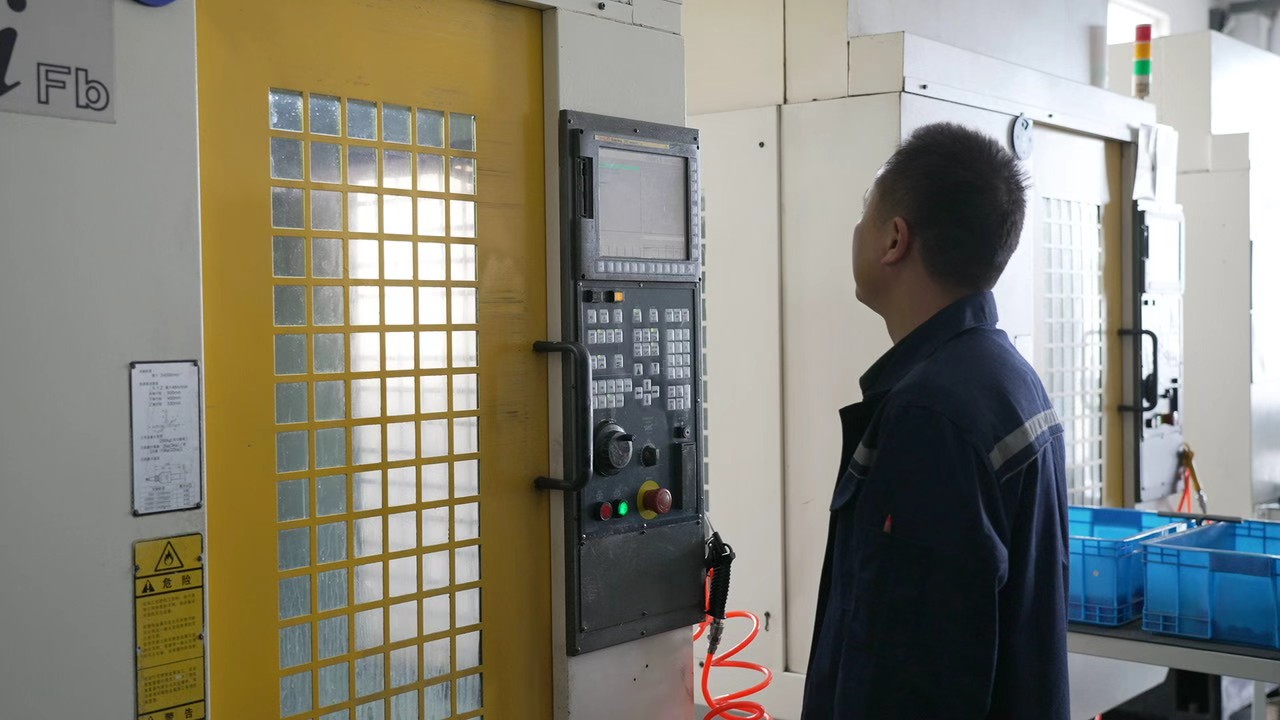
The market is driven by increasing adoption of electro-hydraulic systems, which integrate hydraulic power with electronic control for enhanced precision and efficiency (Source: marketsandmarkets.com, 2025). Over 3.2 million electro-hydraulic systems were sold globally in 2023, representing a 29% year-over-year increase (Source: marketreportsworld.com).
Domin Fluid Power’s direct-drive hydraulic servo valves use brushless DC motors enabling smooth valve adjustments, with magnetic position sensing allowing spool position adjustment in less than 3 milliseconds (Source: powermotiontech.com). This precision opens applications previously impossible with traditional hydraulic controls.
Smart hydraulic systems now track temperature, pressure, oil level, and performance in real-time, sending data directly to maintenance dashboards or mobile devices. This enables predictive maintenance—knowing a component will fail before it actually does.
The integration of IoT in smart hydraulic systems and the use of sensors increased significantly, with manufacturers promoting digitization through electro-hydraulics modules featuring digital interfaces and sensor intelligence (Source: businessresearchinsights.com, 2025).
Equipment builders focus on energy-efficient hydraulic components as they directly impact battery type and size—from variable speed motor-pump drives that only run on demand to common-rail and decentralized systems, and valveless circuits (Source: mobilehydraulictips.com, 2023).
In excavators, lowering a loaded boom traditionally dissipated that energy as heat. Modern systems capture and store it in accumulators or return it to batteries in electric machines. The same circuit upgrade might boost overall machine efficiency from 30% to 50%, bringing tangible benefits like longer intervals between battery recharges (Source: mobilehydraulictips.com, 2023).
In January 2024, KYB introduced SustainaLub, a shock absorber hydraulic fluid designed to be eco-friendly and prevent potential environmental hazards linked to petroleum (Source: straitsresearch.com). This shift toward biodegradable hydraulic fluids addresses environmental contamination risks while maintaining system performance.
Choosing appropriate hydraulic controls requires matching system characteristics to application demands. Here’s a practical decision framework:
Calculate required cylinder force and travel speed. This determines pump displacement requirements and cylinder sizing. Undersizing leads to slow operation or inadequate force. Oversizing wastes energy and increases costs.
Applications requiring positioning within millimeters need servo valves and closed-loop control. Jobs tolerating several centimeters of position variation can use less expensive proportional valves or even simple directional valves.
Continuous operation demands different solutions than intermittent use. Piston pumps provide longer life operating at higher pressure and longer continuous duty cycles, though they cost more than gear pumps (Source: fluidpowerjournal.com, 2022).
If equipment operates in remote locations or maintenance resources are limited, invest in IoT-enabled controls from the start. Retrofitting monitoring capabilities costs significantly more than building them in initially.
In electric machines, hydraulics accounts for almost two-thirds of total system losses, making hydraulic efficiency critical (Source: mobilehydraulictips.com, 2023). Energy-efficient designs justify higher initial costs through operational savings, especially for high-duty-cycle equipment.
Many operators focus on visible components while neglecting hydraulic fluid quality. Contamination causes 75% of hydraulic system failures. Water is one of the most common and detrimental contaminants, entering as vapor and condensing when temperatures drop (Source: fluidpowerjournal.com, 2022).
Solution: Implement proper filtration at the return line, use sealed reservoirs with desiccant breathers, and conduct regular oil analysis.
Using high-speed servo valves with slow actuators—or vice versa—creates either wasted capability or poor performance. One manufacturer installed expensive servo valves expecting improved precision, only to find their cylinder friction and mechanical backlash limited actual positioning accuracy.
Solution: Match valve response characteristics to actuator capabilities and application requirements.
Larger battery packs required by inefficient systems add tens of thousands of dollars in upfront costs and weigh significantly more, reducing load capacity and productivity (Source: mobilehydraulictips.com, 2023).
Solution: Calculate heat generation under worst-case conditions and size cooling systems accordingly. Account for ambient temperature variations.
Components that work well individually may not integrate properly. One facility discovered their new variable displacement pumps created pressure oscillations incompatible with their existing accumulator setup, requiring additional dampening components.
Solution: Consider the system holistically rather than optimizing individual components in isolation.
Open-loop systems use operator input without feedback—the system does what you tell it but doesn’t verify results. Closed-loop systems incorporate position or pressure sensors that continuously compare actual performance to commanded performance, automatically making corrections. Closed-loop controls cost more but deliver superior precision and can compensate for load variations automatically.
Well-maintained systems routinely operate 20-30 years. The Valmet case study involved replacing a 1970s-era control system that had operated for approximately 45 years before obsolescence forced upgrades (Source: valmet.com, 2020). Component life varies—valves and cylinders often last 15-25 years while pumps may need replacement after 10-15 years depending on operating conditions.
Yes, but fluid selection becomes critical. Standard hydraulic oil functions well between -10°F and 180°F. Specialized synthetic fluids extend this range to -65°F to 300°F. Arctic operations and high-temperature industrial processes require careful fluid specification and may need auxiliary heating or cooling systems.
Core maintenance includes regular fluid analysis (every 500-1000 operating hours), filter changes (following manufacturer intervals or when differential pressure indicators activate), visual inspection for leaks, and periodic valve calibration. Modern systems with condition monitoring reduce maintenance frequency by identifying actual component degradation rather than following arbitrary schedules.
Hydraulics excel at high-force applications and provide simpler overload protection. Electric actuators offer cleaner operation (no fluid leaks), easier integration with digital control systems, and better efficiency in some applications. Volvo acknowledges challenges associated with electro-mechanical drives especially for linear motion applications, noting these challenges are less pronounced for rotary drives (Source: ivtinternational.com, 2024). The optimal choice depends on specific application requirements.
Traditional valve-controlled systems waste significant energy through throttling losses and constant-pressure operation. Studies show hydraulic systems can waste up to 70% of input energy due to inefficiencies, with most systems achieving only 22% efficiency according to Oak Ridge National Laboratories (Source: powermotiontech.com). However, modern load-sensing systems, variable displacement pumps, and electro-hydraulic designs dramatically improve efficiency, with some configurations reducing energy consumption by 25% or more.
Watch for these indicators: inconsistent actuator speeds, inability to maintain set pressures, excessive heat generation, increasing fluid consumption due to leaks, electronic control errors that recur after repairs, and inability to find replacement parts. In the paper mill case, obsolete valves that were no longer available forced a comprehensive system upgrade (Source: valmet.com, 2020).
Small mobile equipment retrofits: $3,000-$12,000
Medium manufacturing systems: $25,000-$100,000
Large industrial installations: $150,000-$750,000
Costs vary based on whether you’re simply replacing valves and controls or redesigning the entire system architecture. The major industrial system case study took 4.5 years from initial inquiry to final acceptance (Source: fluidpowerjournal.com, 2022), demonstrating that large projects require substantial planning and investment beyond just equipment costs.
The Hydraulic Controls Market stood at $10.5 billion in 2024 and is anticipated to reach $15.2 billion by 2033 at a CAGR of 4.8% (Source: verifiedmarketreports.com, 2025). This growth trajectory creates both opportunities and imperatives for businesses using hydraulic systems.
Prioritize energy efficiency now. With the industry shifting toward sustainable and energy-efficient solutions to minimize environmental impact (Source: marketsandmarkets.com, 2025), early adopters of efficient hydraulic controls gain competitive advantages through lower operating costs and enhanced regulatory compliance.
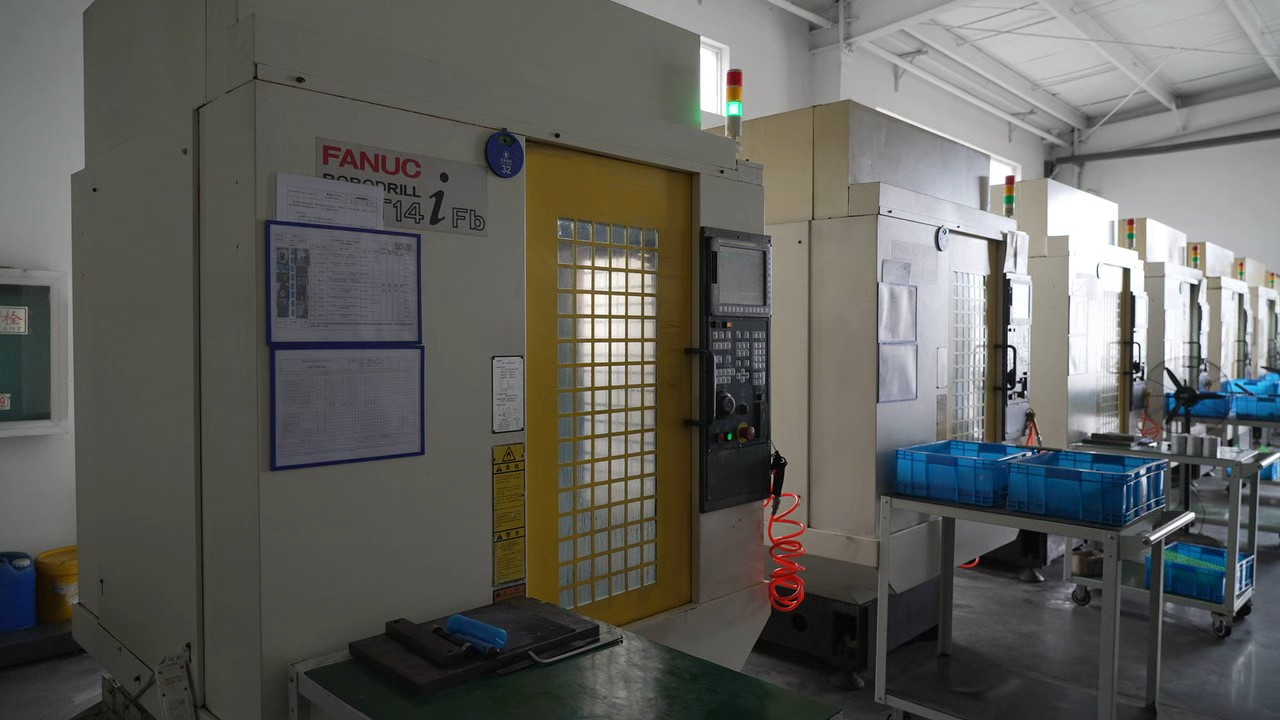
Invest in connectivity and monitoring. Over 45 million hydraulic units are estimated to be in use in mobile applications globally, with over 68% of construction equipment now utilizing hydraulic mechanisms (Source: marketreportsworld.com). The massive installed base creates enormous opportunities for retrofitting smart monitoring capabilities even on existing systems.
Plan for electrification integration. Whether your industry electrifies quickly or gradually, hydraulic controls will need to work seamlessly with electric power sources. Danfoss completely transitioned new components to electro-hydraulics, no longer designing future products with legacy mechanical interfaces (Source: ivtinternational.com, 2024).
Don’t neglect operator training. Technology only delivers value when people understand how to use it. Budget 10-15% of system upgrade costs for comprehensive training programs.
Develop internal hydraulic expertise. The global hydraulics market is growing at a CAGR of 3.4% during the forecast period of 2025 to 2032 (Source: databridgemarketresearch.com, 2025). As these systems become more sophisticated, having in-house expertise to optimize performance and troubleshoot issues provides significant competitive advantage.
The future of hydraulic controls combines the raw power and reliability that made hydraulics dominant with the precision, efficiency, and intelligence of modern electronics. Organizations that embrace this evolution while maintaining fundamentals of proper system design, fluid cleanliness, and preventive maintenance will find hydraulic controls continue delivering exceptional performance for decades to come.


