
Hydraulic valves are available through manufacturer distributors, specialized industrial suppliers, online marketplaces, and local hydraulic shops. Your choice depends on your specific application needs, budget constraints, and whether you need technical support or customization services.
The hydraulic valve market reached approximately $8.83 billion in 2024, with distributors and suppliers spanning multiple channels. Each purchasing route offers distinct advantages depending on your operational requirements.
Major hydraulic valve manufacturers maintain networks of authorized distributors who stock genuine parts and provide technical expertise. Parker Hannifin, Bosch Rexroth, Eaton, and Danfoss all operate extensive distributor programs across North America, with each offering immediate access to inventory and technical support.
Authorized distributors typically provide several benefits that generic suppliers cannot match. They maintain direct relationships with manufacturers, ensuring product authenticity and warranty coverage. When you purchase from companies like Triad Technologies (Parker distributor) or Zemarc (Parker service center), you gain access to trained technicians who understand the specific valve you’re purchasing and can assist with proper selection and installation.
These distributors also participate in inventory-sharing programs. If your local distributor doesn’t stock a specific valve, they can often source it from another location within the network within 24-48 hours, minimizing downtime for critical repairs.
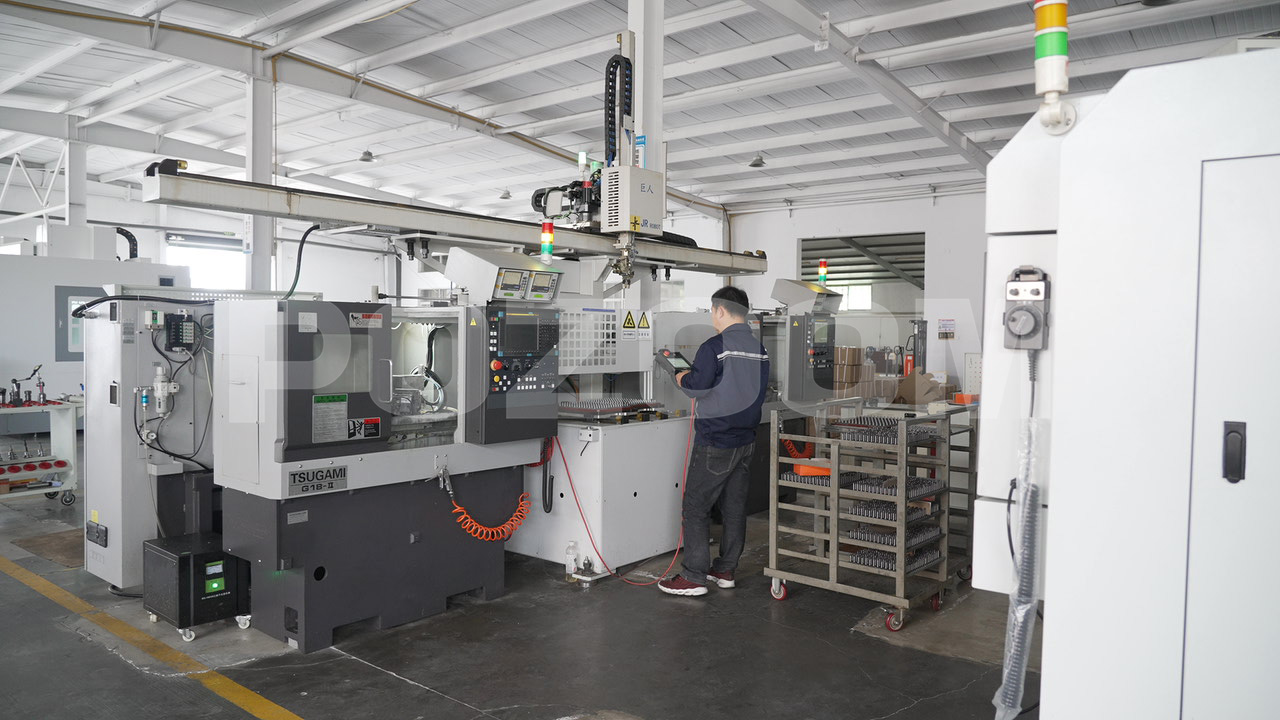
Beyond manufacturer-authorized distributors, specialized industrial suppliers operate as multi-brand stockists. Northern Hydraulics, Surplus Center, Dalton Hydraulic, and Summit Hydraulics represent this category well.
These suppliers excel at serving customers who need flexibility across brands. Rather than committing to a single manufacturer, they stock valves from Prince, Wolverine, Cross Manufacturing, and other mid-tier brands alongside major names. This approach proves particularly valuable for smaller operations or those maintaining legacy equipment where exact brand matching may be less critical than functional equivalence.
The pricing at specialized suppliers often beats authorized distributor rates by 15-30%, though you trade some technical support depth for cost savings. Many of these suppliers maintain knowledgeable staff, but they may lack the manufacturer-specific training that authorized distributors provide.
The digital transformation has brought hydraulic valve purchasing online. Motion Industries operates a robust e-commerce platform where buyers can filter by valve type, flow rate, voltage, and dozens of other specifications. Their interface allows side-by-side comparisons and typically displays real-time inventory availability.
Online purchasing suits buyers who know exactly what they need. When you have a part number or precise specifications, platforms like Motion’s website or Tractor Supply’s online store enable quick ordering with competitive pricing. Many offer free shipping above certain thresholds, typically $50-100, making them cost-effective for routine maintenance orders.
The limitation lies in technical consultation. While these platforms provide specification sheets and sometimes chat support, they can’t replicate the value of an experienced hydraulic technician examining your system and recommending the optimal valve for your specific conditions.
Some manufacturers sell directly to end users, though policies vary significantly. Danfoss maintains a “Where to Buy” locator but primarily directs customers to distributors. Conversely, smaller manufacturers like Winner Hydraulics or Rekith Hydraulics may work directly with buyers, especially for larger orders or custom applications.
Direct purchasing makes sense when ordering custom-configured valves or placing bulk orders. Manufacturers can offer customization options unavailable through distributors, such as modified spool configurations, special port arrangements, or non-standard pressure ratings. The mining industry increasingly relies on customized valving, as standard off-the-shelf components often fail under extreme operational conditions.
The trade-off involves lead times. Custom manufacturing typically requires 4-12 weeks depending on complexity, versus same-day or next-day delivery from stocked distributors.
Different applications demand different purchasing strategies. Understanding these patterns helps optimize both cost and reliability.
Manufacturing facilities typically establish relationships with authorized distributors. The priority here centers on minimizing downtime, which costs large manufacturing operations thousands of dollars per hour. Bosch Rexroth estimates that their valves have proven reliability over millions of operating hours, but even the best valves eventually require replacement.
Having a distributor relationship means access to emergency inventory, after-hours technical support, and preventive maintenance consultations. Many distributors offer vendor-managed inventory programs where they monitor your consumption patterns and maintain stock on-site or nearby.
Construction equipment owners face different constraints. Equipment operates in remote locations, and downtime impacts project schedules with penalty clauses. The priority shifts toward rapid sourcing rather than brand loyalty.
This sector often benefits from multi-brand suppliers like Northern Hydraulics or Surplus Center. These suppliers stock valves suitable for John Deere, Caterpillar, Bobcat, and other equipment manufacturers. When a valve fails on a jobsite, contractors need compatible replacements quickly, even if it means using a Wolverine valve where the original was Prince-branded.
Agricultural customers present unique patterns. Farmers and agricultural contractors operate seasonally, with peak demands during planting and harvest. Many purchase hydraulic valves during off-season at lower prices, building inventory for quick repairs during critical periods.
Tractor Supply and Summit Hydraulics cater specifically to this market. They stock directional control valves, flow dividers, and selector valves commonly used in tractors and implements. The pricing structure typically undercuts specialized industrial suppliers by 10-20%, though selection focuses narrowly on agricultural equipment needs.
These industries require the highest-performance valves operating under extreme pressures and temperatures. Standard catalog valves often prove inadequate, pushing buyers toward manufacturers capable of engineering custom solutions.
Bailey International and similar specialists work directly with mine operators to design valving systems that withstand relentless vibration, corrosive materials, and temperature fluctuations. The purchasing process here involves collaborative engineering rather than simple catalog selection. Buyers should expect 6-12 week lead times but gain valves engineered specifically for their operational conditions.
Hydraulic valve pricing varies dramatically based on type, specifications, and purchasing channel. Understanding these patterns helps buyers optimize their procurement strategy.
Directional control valves for agricultural applications start around $50-150 for basic manual 2-spool configurations from suppliers like Surplus Center. Mid-range industrial valves from Prince or Wolverine typically cost $200-600 depending on flow rates and number of spools. High-performance proportional or servo valves from Parker or Bosch Rexroth range from $800 to $5,000 or more for complex configurations.
The pricing differential between channels reveals interesting patterns. Authorized distributors typically price 10-25% higher than multi-brand suppliers for identical or equivalent valves. However, this premium includes warranty protection, technical support, and the assurance of genuine parts rather than counterfeits.
Online marketplaces like Amazon and eBay offer apparent bargains, with some Chinese-manufactured directional control valves priced at one-third to one-half the cost of name-brand equivalents. However, quality concerns persist. Forum discussions on TractorByNet and Heavy Equipment Forums reveal mixed experiences. Some buyers report satisfactory performance from Chinese valves, while others experienced premature failures or difficulty obtaining compatible power-beyond sleeves.
The total cost of ownership calculation extends beyond purchase price. A $150 valve that fails after six months costs far more than a $400 valve lasting five years when factoring in labor, downtime, and replacement. Industrial operations increasingly focus on lifecycle costs rather than acquisition costs when selecting hydraulic components.
The hydraulic valve market faces ongoing challenges with counterfeit products and substandard manufacturing. Buyers must implement quality assurance practices to protect their investments.
Counterfeit valves typically enter through online marketplaces or gray-market distributors offering suspicious discounts. These products may use inferior materials, have poor machining tolerances, or lack proper heat treatment. The consequences range from reduced performance to catastrophic system failures.
Several verification methods help identify genuine products. Authorized distributor purchases carry the lowest risk, as these channels maintain direct manufacturer relationships. Product packaging should include manufacturer logos, serial numbers, and certification marks. Many manufacturers now use holographic labels or QR codes linking to authentication databases.
When purchasing from unfamiliar suppliers, request documentation proving authorized distributor status. Manufacturers like Parker maintain publicly searchable distributor databases. Cross-referencing a supplier against this database takes minutes but provides significant protection.
Material specifications and certifications provide another verification layer. Legitimate industrial hydraulic valves should meet ISO standards and include material certifications. Valves for critical applications in oil and gas or mining require certifications demonstrating pressure testing and quality control processes. Suppliers unable to provide these documents raise red flags.
The geographic origin conversation deserves nuance. Chinese manufacturing isn’t inherently inferior, as many Chinese factories produce high-quality components when working to proper specifications. The problem lies in unbranded or loosely-branded products lacking quality control oversight. Winner Hydraulics, based in China, maintains international certifications and exports globally with strong reputation. The distinction lies in committed quality control rather than manufacturing location.
The availability of technical support significantly influences long-term satisfaction with hydraulic valve purchases. Different suppliers offer vastly different levels of support.
Authorized manufacturer distributors provide the most comprehensive support. Parker, Bosch Rexroth, and Eaton distributors employ hydraulic technicians who can visit customer sites, diagnose system issues, and recommend solutions. This service proves invaluable when troubleshooting complex problems where valve selection interacts with pump specifications, fluid viscosity, and system design.
These distributors also stock repair kits and replacement parts. When a valve experiences a minor failure, such as a worn seal or damaged spool, a repair kit costing $30-80 can restore function rather than replacing the entire $500 valve. Multi-brand suppliers may stock some repair kits, but selection is typically limited compared to authorized channels.
Online purchases generally offer minimal technical support beyond basic specification information. If you purchase a valve through Amazon or eBay, troubleshooting assistance will be limited or non-existent. This approach works fine for experienced buyers replacing known-good valves but creates challenges when diagnosing issues or selecting valves for new applications.
Some specialized suppliers bridge this gap by employing experienced staff willing to consult with customers. Northern Hydraulics and Dalton Hydraulic employ knowledgeable personnel who can guide valve selection even when selling multi-brand inventory. The quality of this support varies by location and available staff expertise.
Different valve types present distinct sourcing challenges and opportunities.
These workhorses of hydraulic systems control fluid flow direction to actuators. They’re available from virtually every supplier, making them easy to source. The challenge lies in selecting the proper configuration—spool position, flow capacity, and port sizing significantly impact performance.
Specialized agricultural suppliers like Tractor Supply stock directional control valves optimized for tractor remote cylinders, with flow rates typically 5-12 GPM. Industrial suppliers like Northern Hydraulics carry larger valves handling 15-30 GPM for construction equipment. Applications requiring higher flows push buyers toward manufacturers or specialized distributors stocking valves rated for 50+ GPM.
These sophisticated valves provide variable control rather than simple on/off operation. They enable precise positioning and speed control, making them essential for automation and advanced machinery.
Authorized distributors become almost mandatory for proportional valves. These components require proper integration with electrical controls, often need custom programming, and demand exacting installation procedures. Bosch Rexroth and Parker distributors provide integration support that generic suppliers cannot match. Prices start around $1,000 and easily exceed $5,000 for complex servo systems.
Relief valves, pressure-reducing valves, and sequence valves maintain system safety and regulate pressure for specific functions. These are widely stocked by most suppliers, though quality variations matter significantly.
A relief valve failure can lead to catastrophic over-pressurization, making quality critical. This application favors known brands from reputable suppliers. The $50 price difference between a no-name relief valve and a Sun Hydraulics or Parker unit represents inexpensive insurance against system damage.
These valves regulate actuator speed by controlling fluid flow rates. They’re available from most suppliers, with application requirements driving supplier selection. Basic throttle valves for adjusting cylinder speed cost $40-120 from any supplier. Compensated flow controls that maintain constant speed despite pressure variations require more sophisticated manufacturing and cost $150-400 from quality manufacturers.
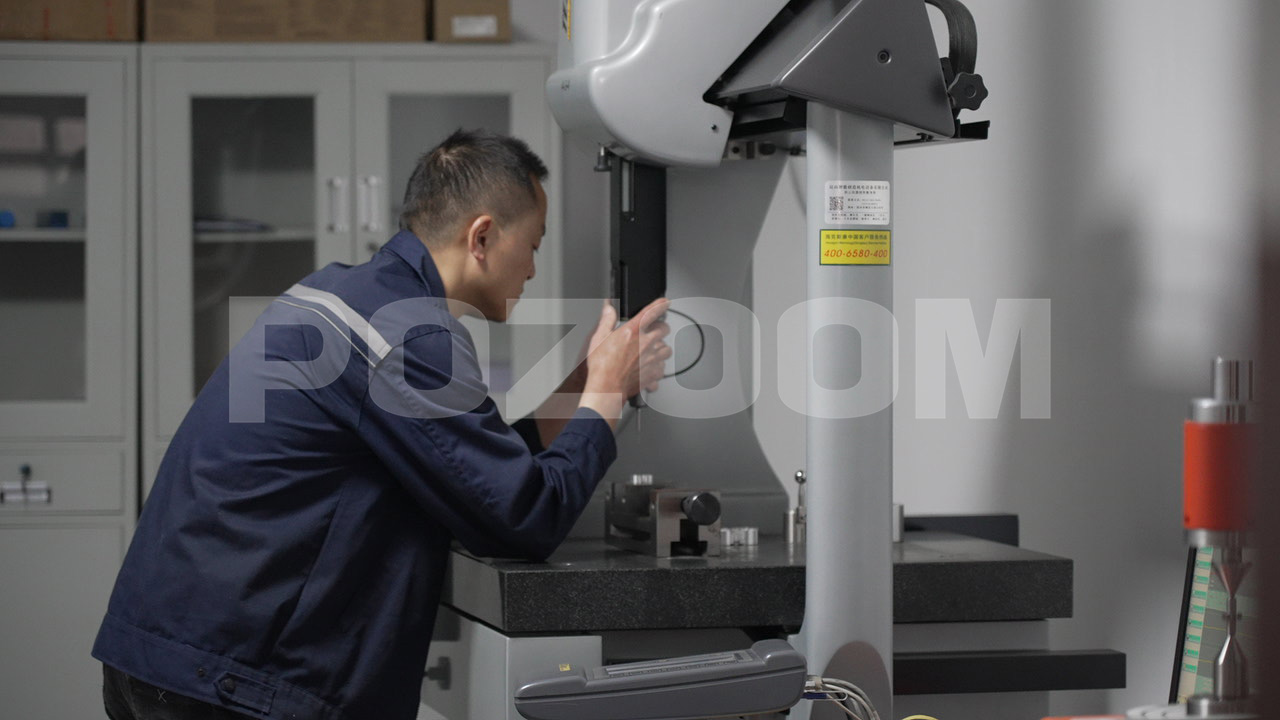
Some buyers explore international sources, particularly from China, Taiwan, and Europe, seeking cost advantages.
Chinese manufacturers like Winner Hydraulics, Rekith Hydraulics, and hundreds of others offer valves at 30-60% lower prices than Western equivalents. Platforms like Alibaba and Made-in-China connect buyers with factories. However, this approach introduces complications.
Minimum order quantities typically range from 10-100 units, making direct factory purchases impractical for most maintenance and repair needs. Lead times extend to 6-12 weeks including manufacturing and shipping. Customs clearance, duties, and shipping costs add 15-25% to quoted prices.
Quality assurance becomes the buyer’s responsibility. Without established relationships or third-party inspection services, verifying product quality before shipment proves difficult. Language barriers and time zone differences complicate technical discussions.
For organizations with high-volume needs and technical expertise to verify specifications, direct importing can generate significant savings. Small operations replacing occasional failed valves will find the complexity and risk outweigh potential cost benefits.
European manufacturers like Danfoss, Bosch Rexroth, and Hawe produce premium valves with prices reflecting European labor costs and engineering. These excel in applications demanding maximum performance and longevity. Most maintain North American distribution networks, making purchasing easier than direct imports while still accessing their engineering quality.
Successful organizations typically blend multiple sourcing channels rather than relying on a single supplier.
A practical strategy involves establishing a primary relationship with an authorized distributor for critical applications and technical support. This ensures access to genuine parts, expert consultation, and emergency inventory for equipment where downtime costs exceed any possible savings from cheaper alternatives.
Secondary sourcing through multi-brand suppliers provides cost-effective options for less critical applications. Stock valves for routine maintenance of older equipment or non-critical systems can often come from Surplus Center or Northern Hydraulics at lower costs without significant risk.
Online sources serve for emergency purchases outside normal business hours or for hard-to-find legacy components. While not ideal as primary sources, these channels fill gaps when time pressures demand rapid solutions.
Documentation and standardization multiply the value of any sourcing strategy. Maintaining detailed records of valve specifications, part numbers, and approved suppliers enables faster reordering and simplifies emergency replacements. Some organizations maintain small inventories of critical valves, purchased during off-peak periods at negotiated prices, ensuring availability when failures occur.
Geographic location significantly impacts hydraulic valve availability and purchasing options.
Major industrial regions like the Midwest manufacturing belt, Texas oil and gas corridors, and California ports enjoy dense networks of hydraulic distributors. Companies in these areas can often source standard valves same-day from local distributors maintaining extensive inventory.
Rural agricultural regions have fewer local options but are served by specialized agricultural suppliers and mobile service providers. Many hydraulic shops in agricultural communities stock valves specific to popular tractor brands and implements. They may not carry the breadth of an urban distributor, but they understand local equipment needs deeply.
Remote locations present the greatest challenges. Operations in Alaska, rural mining districts, or offshore platforms must plan ahead, maintaining larger on-site inventories and establishing relationships with suppliers offering expedited shipping. Air freight can deliver critical components anywhere in North America within 24-48 hours, though costs may reach several hundred dollars even for small valves.
Companies like Motion Industries and Parker Hannifin maintain networks of “ParkerStores”—combination distributors and service centers—in many mid-sized cities. These provide local access to major brand components with technical support, bridging the gap between large urban distributors and small rural shops.
The hydraulic valve market continues evolving, with several trends reshaping purchasing patterns.
Digital configurators from manufacturers like Bosch Rexroth and HydraForce allow customers to design custom valve assemblies online, selecting from libraries of components. These tools generate 3D models, specification sheets, and quotes without requiring direct manufacturer contact. This self-service approach accelerates the custom ordering process from weeks to days.
Smart valves with integrated sensors and IoT connectivity represent a growing segment. These valves monitor their own performance, predict maintenance needs, and communicate with central control systems. They cost 40-60% more than traditional valves but enable predictive maintenance strategies reducing unexpected failures. Purchasing these advanced components typically requires authorized distributor involvement for proper system integration.
Sustainability considerations increasingly influence purchasing decisions. Bio-based hydraulic fluids, which some operations adopt for environmental reasons, require valves with seals and materials compatible with these fluids. Not all valves suit bio-fluids, making supplier technical knowledge essential for proper selection.
Additive manufacturing (3D printing) is beginning to enable on-demand valve component production. While not yet mainstream for complete valves, some manufacturers offer 3D-printed valve housings or custom manifolds. This trend may eventually allow remote operations to manufacture some components locally rather than maintaining large spare inventories.
Lead times vary dramatically by valve type and source. Standard valves from authorized distributors or specialized suppliers often ship same-day or next-day if in stock. Custom or high-specification valves from manufacturers require 4-12 weeks depending on complexity. Online marketplace purchases typically ship within 2-5 business days. For time-critical needs, establish relationships with local distributors maintaining inventory rather than relying on manufacturer direct orders.
Purchase from authorized distributors listed on manufacturer websites. Request documentation including serial numbers, certificates of conformity, and material certifications. Examine packaging for proper branding, holographic security features, and QR codes. Cross-reference part numbers against manufacturer catalogs. Prices significantly below market rates suggest counterfeit risk. When in doubt, contact the manufacturer directly with serial numbers to verify authenticity.
Yes, with careful attention to specifications. Hydraulic valves operate on standard principles, so a valve from one manufacturer can often replace another’s if specifications match. Critical factors include pressure rating, flow capacity, port sizes and threading, mounting dimensions, and operating fluid compatibility. However, mixing brands prevents consistent spare parts inventory and may complicate technical support. For critical applications, maintain brand consistency to simplify long-term maintenance.
Authorized manufacturer distributors typically offer 12-24 month warranties covering manufacturing defects. Multi-brand suppliers may offer shorter warranties, often 90 days to one year. Online marketplace purchases vary widely, with some offering minimal or no warranty coverage. Premium manufacturers like Parker and Bosch Rexroth stand behind their products, but warranty claims require proof of authorized purchase. Save all documentation, including receipts and part numbers, to support warranty claims. Installation errors, contamination damage, and normal wear are typically excluded from coverage.
The hydraulic valve purchasing landscape offers multiple channels, each with distinct advantages. Authorized distributors provide maximum support and product authenticity at premium prices. Specialized suppliers balance cost and expertise for routine needs. Online sources offer convenience for known specifications. Success comes from matching your purchasing channel to application criticality, technical support needs, and budget constraints rather than seeking a one-size-fits-all solution.


