
The hydraulic and engineering solutions landscape has transformed into a $44.08 billion global market in 2024, yet many companies struggle to identify reliable suppliers and optimize their procurement strategies. Finding the right hydraulic solutions provider impacts everything from equipment uptime to long-term operational costs, making supplier selection one of the most critical decisions for industries relying on fluid power systems.
The hydraulic solutions market encompasses specialized manufacturers, authorized distributors, and engineering service providers serving diverse industrial sectors. The global hydraulics market was valued at $47.30 billion in 2023 and is estimated to reach $67.90 billion by 2032, growing at a CAGR of 4.1% Hydraulics Market Size, Analysis & Forecast by 2032 (Source: straitsresearch.com, 2024).
Modern hydraulic systems operate at the intersection of mechanical engineering and digital technology. These systems convert mechanical power into hydraulic energy, enabling precise control in applications ranging from construction excavators to aerospace actuation systems. The industrial hydraulic equipment market was valued at $46.5 billion in 2024 and is projected to grow at a CAGR of 4% Industrial Hydraulic Equipment Market Size, Growth Report 2034 (Source: gminsights.com, 2024).
The ecosystem includes three primary channels: direct manufacturers like Parker Hannifin and Bosch Rexroth, national distributors such as Motion Industries and Hydraulic Supply Company, and specialized regional providers offering custom engineering solutions. Each channel serves distinct customer needs based on order volume, technical complexity, and service requirements.
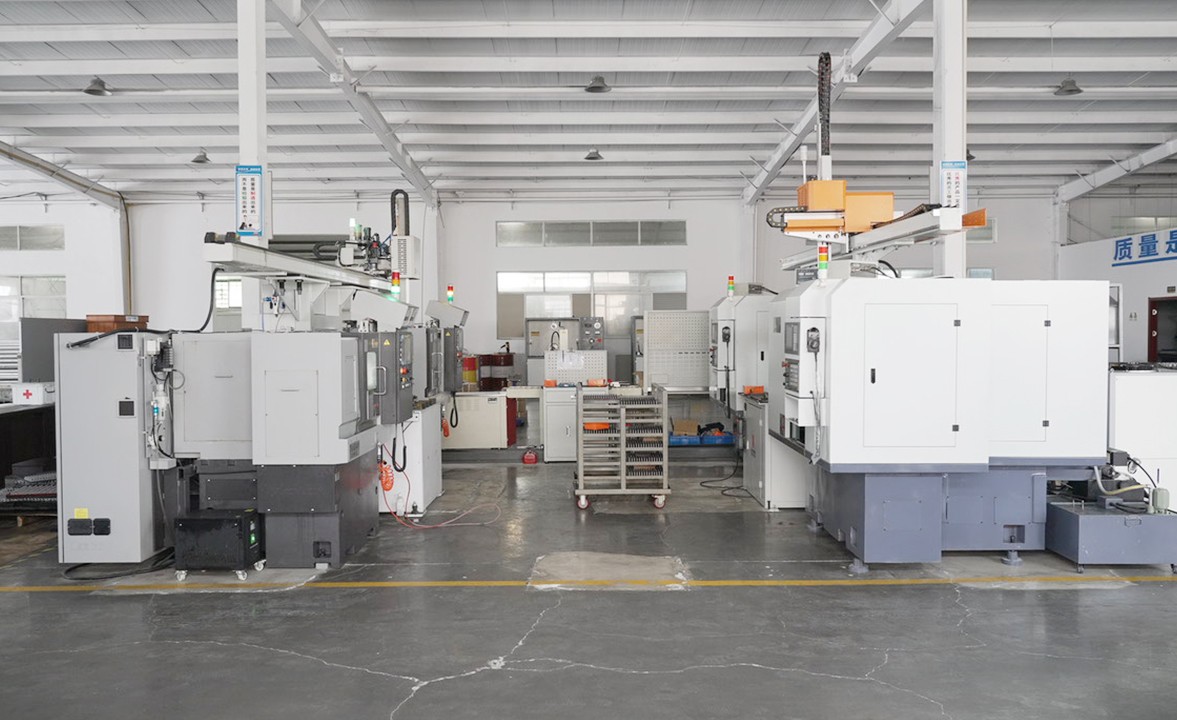
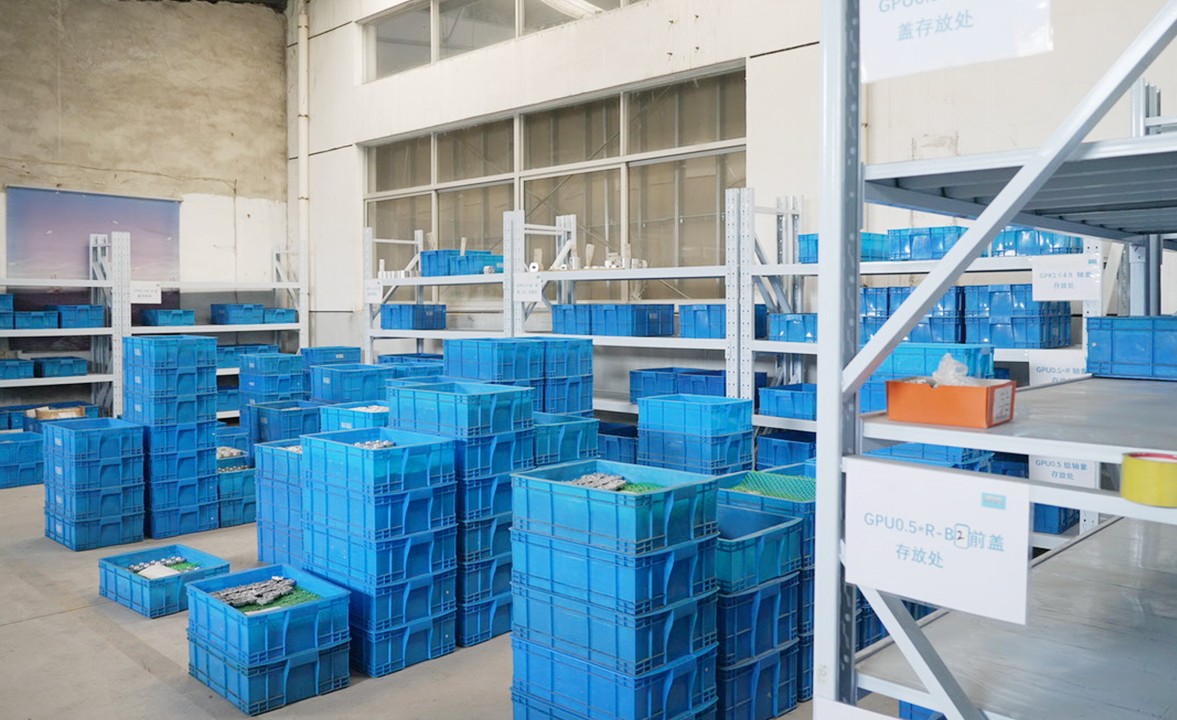
Large-scale distributors maintain extensive inventories and provide immediate access to hydraulic components across multiple locations. Hydraulic Supply Company operates over 40 branch locations, stocking over 20,000 different parts and specializing in servicing OEM and resellers with dedicated inventory and production assembly capabilities Hydraulic Equipment, Parts & Services (Source: hydraulic-supply.com, 2024).
Motion Industries represents another comprehensive option, functioning as the number one supplier of bearings, pneumatics, hydraulics, and mechanical power transmission products. Their advanced automation solutions and engineering capabilities combined with supply chain proficiency enable them to deliver superior results across industrial, commercial, and architectural applications.
Regional specialists like Hydra-Power Systems position themselves strategically with warehouses in key locations. Operating since 1970, they maintain two strategically located facilities—one in the South and one in the Pacific Northwest—stocked with thousands of items ready for immediate shipment across marine, agricultural, hydroelectric, and nuclear industries.
Leading manufacturers increasingly offer direct purchasing programs for high-volume customers. Five major players including Bosch Rexroth AG, Danfoss, Kawasaki Heavy Industries, KYB Corporation, and Parker Hannifin collectively account for approximately 30-40% of the hydraulics market share Hydraulics Companies – Top Companies List of Hydraulics Industry (Source: marketsandmarkets.com, 2024).
Hydraulic Technologies and similar manufacturers provide distributor locator tools connecting customers with authorized suppliers while maintaining product quality standards. This approach ensures customers receive genuine components backed by manufacturer warranties and technical support.
Authorized distributor networks offer advantages beyond product availability. They provide onsite consultation, hydraulic system design and engineering, system assembly and integration, special inspection and testing, and kitting services—delivering reliable solutions that represent the best value for both product and service.
Complex hydraulic applications require specialized engineering expertise. A large central hydraulic system project for a 138,000-square-foot industrial facility featured an 11,000-gallon capacity reservoir, 16 300-hp motors coupled to 360 cc pumps, and 20 strategically located accumulator stands throughout the facility Case Study: Building an Industrial Hydraulic System – Fluid Power Journal (Source: fluidpowerjournal.com, 2022).
Custom engineering firms design, construct, install, and commission turnkey hydraulic systems capable of providing stable hydraulic oil pressure at variable volumes. These projects often span multiple years from initial inquiry to final customer acceptance, involving countless design review meetings with facility contractors, design architects, structural engineers, and end users.
The engineering process includes comprehensive 3D CAD modeling, finite element load analysis, pressure testing accommodations, and integration of multiple locations for level and temperature sensors. Advanced projects incorporate strategically located banks of accumulators to absorb and store energy from sudden flow changes due to test stands starting and stopping.
IoT-enabled hydraulic pumps and actuators can now transmit data on temperature, pressure, and fluid condition, allowing operators to predict failures before they occur and optimize performance dynamically Global Hydraulics Market Size, Share, and Trends Analysis 2032 (Source: databridgemarketresearch.com, 2025). Smart hydraulics integration represents a growing specialty within the solutions provider landscape.
More than 48% of hydraulic units sold in 2024 came with IoT-enabled sensors and smart controllers Hydraulic Power Unit Market Trends | Report [2033] (Source: marketreportsworld.com, 2024). Technology integration specialists help companies retrofit existing systems or design new installations incorporating digital monitoring, predictive maintenance capabilities, and remote system control.
These specialists bridge the gap between traditional hydraulic engineering and modern industrial IoT platforms. They implement programmable logic controllers, industrial IoT platform integration, and data analytics systems that monitor stroke length, pressure, and temperature while providing actionable data to optimize performance and extend service life.
E-commerce has transformed hydraulic component procurement. Surplus Center specializes in providing hydraulic components including surplus, new, and difficult-to-find parts at reasonable prices through online catalogs. Their digital-first approach enables customers to access extensive inventories without geographic limitations.
Northern Hydraulics operates a comprehensive online platform offering over 35,000 line items in stock, including hydraulic cylinder seal kits, pumps, motors, and valves compatible with major equipment brands like Caterpillar and Komatsu. Their platform guarantees same-day shipping for almost all orders, providing swift access to high-quality hydraulic solutions.
Online platforms offer several advantages: 24/7 ordering capability, detailed product specifications and compatibility information, pricing transparency, and order tracking systems. However, they work best for standard components where technical consultation isn’t required for proper selection.
In March 2024, Bucher Hydraulics launched an online model builder created by CADENAS PART solutions, providing on-demand product configuration and CAD downloads for their self-contained hydraulic powerpack system Industrial Hydraulic Equipment Market Size, Growth Report 2034 (Source: gminsights.com, 2024).
Digital configuration tools enable customers to instantly find, configure, and download product data for immediate use in design workflows. These tools support evolutionary configurability and engineering access, bringing customers closer to sophisticated CAD systems while enhancing the digital customer experience for OEMs and system integrators.
Advanced configurators incorporate selection logic ensuring compatibility, provide instant pricing, generate custom part numbers, and produce downloadable CAD models and technical specifications—dramatically reducing engineering time and eliminating configuration errors.
Asia-Pacific is the fastest-growing hydraulics market, driven by rapid industrialization, urbanization, and infrastructure development, with the region anticipated to expand at a CAGR of 4.4% Hydraulics Market Size, Analysis & Forecast by 2032 (Source: straitsresearch.com, 2024).
North America dominates the global hydraulic equipment market, holding approximately a 34% market share in 2024, primarily driven by Tier 1 companies offering robust hydraulic equipment, long-standing partnerships, and extensive distribution channels Hydraulic Equipment Market – Growth, Share & Trends (Source: mordorintelligence.com, 2025).
Regional sourcing decisions should consider local technical support availability, lead times and shipping costs, compliance with regional standards and regulations, availability of service and repair facilities, and currency exchange considerations for international purchases.
In March 2024, India’s Ministry of Road Transport & Highways announced a target of constructing 12,000 km of national highways by March 2025, boosting demand for hydraulic road rollers, graders, and excavators Global Hydraulics Market Size, Share, and Trends Analysis 2032 (Source: databridgemarketresearch.com, 2025).
Emerging markets increasingly host capable local suppliers and manufacturers. Wipro Infrastructure has emerged as India’s dominant hydraulic cylinder manufacturer, supplying over 70% of cylinders used in Indian earthmoving machines, with export volumes growing 31% to Southeast Asia and Europe Top 25 Hydraulic Cylinder Companies in Global 2025 | Global Growth Insights (Source: globalgrowthinsights.com, 2024).
Local suppliers in emerging markets often provide competitive pricing, faster delivery for regional projects, better understanding of local application requirements, and easier coordination for onsite support and service. However, buyers should carefully evaluate quality standards, warranty terms, and technical capabilities.
Reputable hydraulic providers adhere to stringent industry standards and employ rigorous testing protocols. They utilize high-quality materials and advanced manufacturing techniques to produce components that withstand demanding industrial applications. Quality assurance processes include pressure testing, leak detection, cycle testing, material certification, and performance verification.
Certifications to look for include ISO 9001 for quality management, ISO 14001 for environmental management, industry-specific certifications like API or SAE standards, and regional safety certifications. These certifications demonstrate a provider’s commitment to quality, safety, and continuous improvement.
Technical capabilities separate leading providers from commodity suppliers. Evaluate providers based on engineering design capabilities, custom fabrication services, system integration experience, testing and validation facilities, and technical support responsiveness.
In June 2023, Eaton introduced a cloud-based predictive maintenance platform for its industrial hydraulic systems, helping customers reduce unscheduled downtime by up to 40% through early fault detection and automated alerts Global Hydraulics Market Size, Share, and Trends Analysis 2032 (Source: databridgemarketresearch.com, 2025).
Comprehensive service offerings distinguish premium solution providers. Services should include preventive maintenance programs, emergency repair services, system diagnostics and troubleshooting, performance optimization consulting, and training programs for maintenance personnel.
Geographic service coverage matters significantly for operational continuity. Providers with multiple service locations can respond more quickly to equipment failures, reducing costly downtime. Evaluate service response times, technician qualifications, parts inventory locations, and mobile service capabilities.
Smart buyers look beyond initial purchase price to evaluate total cost of ownership. Modern high-performance pump systems can achieve energy savings of 20-35% compared to standard models, with premium systems demonstrating superior reliability through sophisticated monitoring capabilities ROI Analysis: The True Cost Benefits of Quality Pump Systems – An Pump Machinery (Source: angroupcn.com, 2024).
Total cost analysis should include initial equipment cost, installation expenses, energy consumption over system lifetime, maintenance and repair costs, downtime costs from equipment failures, and eventual replacement or upgrade expenses.
Many plants see benefits that quickly pay off from hydraulic system upgrades, with ROI often reached in just a few years through energy savings, reduced repairs, increased production, and lower downtime Hydraulic System Upgrades: Cost Savings for Retrofitting (Source: teutonicengg.com, 2025).
Developing relationships with multiple suppliers provides flexibility and negotiating leverage. A balanced sourcing strategy might include a primary supplier for high-volume standard components, specialized suppliers for custom or engineered solutions, secondary suppliers for commodity items and backups, and emergency suppliers for critical spare parts.
Volume consolidation with preferred suppliers can yield significant cost savings through negotiated pricing tiers, reduced administrative overhead, improved inventory management, priority access to technical resources, and preferential treatment during supply shortages.
The current trend emphasizes integration of hydraulic cylinders with programmable logic controllers and industrial IoT platforms to enable predictive maintenance and minimize downtime, with smart cylinders monitoring stroke length, pressure, and temperature Hydraulic Cylinder Market Size, 2025-2034 Trends Report (Source: gminsights.com, 2025).
Digital transformation is reshaping how companies source and manage hydraulic solutions. Cloud-based platforms connect equipment, suppliers, and service providers in integrated ecosystems. Digital twins enable virtual testing and optimization before physical implementation, while blockchain technology promises enhanced supply chain transparency and counterfeit prevention.
E-procurement platforms are becoming more sophisticated, incorporating AI-powered product recommendations, automated replenishment systems, integrated technical documentation, and virtual reality product demonstrations. These tools reduce sourcing time while improving decision quality.
In January 2024, KYB introduced SustainaLub, an eco-friendly shock absorber hydraulic fluid designed to prevent potential environmental hazards linked to petroleum, reflecting the growing focus on green technologies Hydraulics Market Size, Analysis & Forecast by 2032 (Source: straitsresearch.com, 2024).
Environmental considerations increasingly influence sourcing decisions. Environmentally compliant hydraulic units using biodegradable fluids represented 19% of the market in 2024, a substantial jump from 11.8% in 2022 Hydraulic Power Unit Market Trends | Report [2033] (Source: marketreportsworld.com, 2024).
Solution providers are responding with energy-efficient designs, recyclable materials and components, biodegradable hydraulic fluids, reduced emissions equipment, and end-of-life recycling programs. Companies should evaluate suppliers’ environmental commitments and capabilities to meet evolving regulatory requirements.
Finding optimal hydraulic and engineering solutions requires balancing multiple factors: technical requirements and performance specifications, quality and reliability standards, cost considerations across the equipment lifecycle, service and support capabilities, supplier financial stability and longevity, and alignment with corporate sustainability goals.
The hydraulic solutions landscape offers numerous pathways—from large national distributors to specialized engineering firms, from e-commerce platforms to manufacturer direct programs. Success comes from understanding your specific needs, evaluating providers against clear criteria, and building relationships with suppliers who can support both immediate requirements and long-term operational goals.

As the industry continues evolving with smart technology integration, sustainability initiatives, and digital transformation, the most successful companies will be those partnering with forward-thinking solution providers who can help navigate these changes while delivering reliable, cost-effective hydraulic systems that drive operational excellence.


