
The most reliable hydraulics brands include Parker Hannifin, Bosch Rexroth, Eaton, Danfoss, and Kawasaki, each offering proven track records in demanding industrial applications. These manufacturers distinguish themselves through engineering rigor, comprehensive support networks, and documented performance in high-pressure environments where equipment failure carries significant operational and safety costs.
System failures in hydraulics trace back to a handful of recurring issues. Fluid contamination accounts for roughly 80% of hydraulic failures according to industry analysis, while seal degradation, temperature extremes, and component mismatch create most remaining problems. The brand you select directly impacts how well your system resists these failure modes.
Reliable manufacturers address contamination through advanced filtration integration. They engineer seals from materials proven under thermal stress. Their components maintain tight tolerances that prevent the pressure fluctuations responsible for cavitation damage. This isn’t marketing language—it’s the difference between quarterly repairs and multi-year operational runs.
The hydraulics equipment market reached between $38 billion and $57 billion in 2024 depending on segment definitions, with projections showing 2.4% to 9.1% compound annual growth through 2030. Construction and manufacturing sectors drive this expansion, but market size matters less than the consolidation happening at the premium end. Five to seven manufacturers now capture the majority of contracts where reliability specifications are non-negotiable.
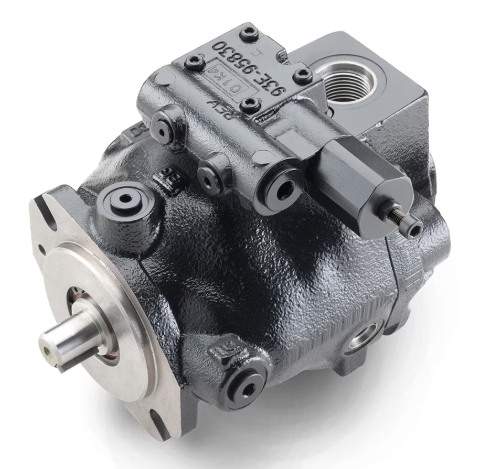
Parker Hannifin generated $19.9 billion in sales during fiscal 2024, making it the largest motion and control technology company globally. The hydraulics division produces everything from gear pumps in agricultural equipment to piston systems in offshore drilling platforms.
What separates Parker is manufacturing scale combined with application engineering depth. Their product line includes the PV Series axial piston pumps operating at pressures exceeding 400 bar, gear pumps compact enough for mobile machinery, and vane pumps designed for low-noise industrial automation. This breadth lets Parker match components to use cases rather than forcing customers into compromise specifications.
The company demonstrated a 68-year consecutive annual dividend increase through 2024, signaling financial stability that translates to long-term parts availability and support infrastructure. For maintenance managers, this continuity means replacement components remain sourceable a decade after initial installation—eliminating the orphaned equipment problem that plagues lesser brands.
Parker achieves segment operating margins above 24%, partially by reducing warranty claims through quality control. A documented case involved a stainless steel producer experiencing one-month pump lifespans across multiple brands. Parker’s engineering team identified and resolved the root cause, extending pump life by 1,700%. The real value wasn’t the technical fix but the diagnostic capability Parker could deploy quickly.
Bosch Rexroth built its hydraulics reputation on proportional valve technology and Industry 4.0 integration. Their systems communicate real-time operational data, enabling predictive maintenance that catches bearing wear or fluid degradation before failures occur.
The company specializes in closed-loop hydraulic systems where precision control matters more than raw power output. Manufacturing lines using Bosch Rexroth components adjust pressure and flow rates in milliseconds, supporting applications from injection molding to metal forming where dimensional tolerances measure in microns.
Smart hydraulics from Bosch Rexroth include embedded sensors tracking temperature, pressure, and flow simultaneously. The diagnostic data streams to centralized monitoring systems, identifying performance drift that signals impending component failure. This intelligence reduces unplanned downtime—the metric that actually determines total cost of ownership in production environments.
Their axial piston pumps and drive technologies integrate with programmable controllers, allowing automation engineers to program hydraulic movements as precisely as electric servo motors. For companies transitioning toward smart manufacturing, Bosch Rexroth provides the control architecture that bridges hydraulic power with digital precision.
Eaton Corporation’s hydraulics division, now part of Danfoss following a 2021 acquisition, focused on complete system solutions rather than individual components. Their approach matched pumps, valves, cylinders, and controls as engineered packages optimized for specific equipment types.
Eaton excelled in mobile hydraulics—the systems powering construction equipment, agricultural machinery, and forestry vehicles. Their tie-rod cylinders withstand the shock loads and vibration common to off-highway applications. The sealing technology uses elastomers resistant to temperature swings from subzero starts to sustained high-load operation.
The company integrated multiple hydraulic functions into compact manifolds, reducing leak points and simplifying installation. A single manifold block might combine directional control, pressure relief, and flow regulation—eliminating six potential failure connections compared to discrete component assembly.
Total system design from one manufacturer simplifies troubleshooting. When performance degrades, engineers don’t face compatibility questions between components from different suppliers. The entire hydraulic circuit comes with documentation showing how parts interact, cutting diagnostic time by eliminating guesswork about whether the pump, valve, or cylinder causes the problem.
Danfoss Power Solutions developed hydraulic components specifically for weight-constrained and space-limited applications. Their 90 Series closed-circuit piston motors deliver high torque in packages small enough for compact construction equipment and municipal vehicles.
Weight reduction matters in mobile hydraulics because every kilogram of hydraulic equipment reduces payload capacity or requires larger prime movers. Danfoss achieves power density through precision manufacturing—holding tolerances that minimize internal leakage, which directly translates to efficiency. Higher efficiency means less heat generation, smaller cooling requirements, and further weight savings.
The company emphasizes energy recovery systems that capture hydraulic potential energy during deceleration and store it for reuse. In applications with frequent start-stop cycles like refuse trucks or delivery vehicles, this regenerative approach cuts fuel consumption measurably—some installations report 10-15% reductions in energy costs.
Danfoss hydraulics appear throughout agricultural machinery where seasonal use patterns mean equipment sits idle for months. Their components resist corrosion during storage periods and reliably restart after extended dormancy. This durability matters for equipment that must work intensively during short harvest windows when breakdowns carry outsized consequences.
Kawasaki brings aerospace-grade engineering standards to hydraulic components, particularly in pumps and motors for heavy equipment. Their K3V and K5V series dominates the excavator market, where hydraulic systems operate continuously at maximum pressure while managing boom, arm, and bucket movements simultaneously.
What distinguishes Kawasaki is pressure resistance technology. Their piston pumps routinely exceed 450 bar working pressure with service lives measured in years of continuous operation. The durability comes from metallurgical advances—bearing surfaces treated to resist the surface fatigue that develops under sustained high-pressure cycling.
Mining operations and tunnel boring equipment run Kawasaki hydraulics because downtime in these applications costs exponentially. A tunnel boring machine at standstill represents idle labor crews, equipment rental expenses, and project delays measured in tens of thousands of dollars per hour. Kawasaki’s demonstrated mean time between failures justifies premium pricing in these contexts.
The company maintains global service infrastructure that supports repair turnaround measured in days rather than weeks. For critical equipment operating in remote locations—offshore platforms, mining sites, major construction projects—this responsiveness prevents minor hydraulic issues from cascading into major operational shutdowns.
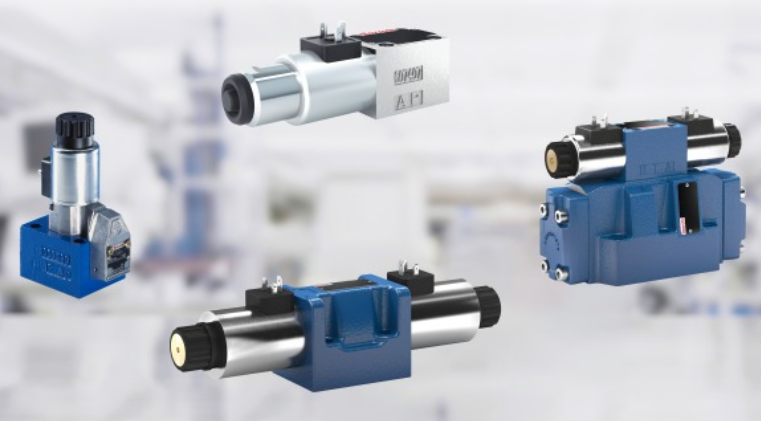
HYDAC operates with narrower focus than the general-line manufacturers, concentrating on hydraulic filtration, accumulators, and cooling systems. This specialization produces expertise in the fluid management systems that keep primary hydraulic components running cleanly.
Their bladder accumulators store hydraulic energy and smooth pressure pulses that would otherwise create shock loads damaging to pumps and motors. In applications requiring rapid actuator movement followed by holding periods—like plastic injection molding or metal stamping—HYDAC accumulators provide the instantaneous flow rates that would overwhelm continuously running pumps.
HYDAC filtration systems capture particulates down to 3 microns, protecting precision hydraulic components from the abrasive contamination that causes 80% of failures. Their offline filtration units continuously clean hydraulic fluid even during production, maintaining cleanliness levels that extend component life dramatically.
The company’s sensors and contamination monitoring systems provide early warning of fluid degradation. Water ingress, temperature elevation, and particle count increase all trigger alerts before damage occurs. For facilities operating sensitive manufacturing equipment or medical device production where contamination control is critical, HYDAC provides the fluid quality assurance other brands don’t emphasize.
Caterpillar manufactures hydraulic cylinders, pumps, and systems primarily for its own construction and mining equipment, though components are available for aftermarket and OEM applications. This vertical integration creates hydraulics optimized specifically for the duty cycles, shock loads, and environmental conditions construction equipment encounters.
CAT hydraulic cylinders in excavators must survive abusive conditions—impacts from rock strikes, extreme articulation angles, and sustained maximum pressure while moving tons of material. The company engineers these cylinders with oversized rods, reinforced mountings, and seal packages proven across millions of hours in field operation.
The global CAT dealer network provides parts availability and hydraulic service expertise locally—crucial for equipment operating in remote mining sites or international construction projects. Standardized hydraulic components across CAT’s equipment line mean dealers stock parts that fit multiple machine types, improving availability compared to specialized components with limited application range.
For fleet operators running CAT equipment, using CAT hydraulics ensures compatibility and preserves warranty coverage. The integration between machine design and hydraulic system removes potential finger-pointing between equipment and component manufacturers when problems arise—there’s one responsible party accountable for entire system performance.
Equipment downtime and repair costs quickly dwarf initial component savings from cheaper brands. When a hydraulic failure stops a production line, hourly losses accumulate from idle workers, missed delivery commitments, and rush expediting of replacement parts. A single unplanned shutdown in pharmaceutical manufacturing or semiconductor fabrication can exceed $100,000 per hour.
Inferior hydraulics fail through predictable mechanisms. Seals manufactured from inadequate elastomers harden and crack under thermal cycling. Pumps machined with loose tolerances leak internally, generating heat that accelerates fluid degradation. Control valves without proper filtration protection develop contamination-induced wear that causes erratic operation.
The reliability gap between premium and economy brands isn’t subtle—it’s an order of magnitude in mean time between failures. A Parker or Bosch Rexroth pump might operate 15,000 hours before requiring major service, while an off-brand equivalent fails at 2,000 hours. Those additional 13,000 hours represent uninterrupted production, avoided emergency service calls, and maintenance scheduled during planned downtime rather than forcing unplanned outages.
Parts availability amplifies the cost differential. When premium brand components need replacement, authorized distributors stock them locally or deliver overnight. Generic hydraulics may require weeks for procurement—if parts remain available at all. Equipment sitting idle waiting for a $200 component carries opportunity costs dwarfing any initial savings from cheaper alternatives.
Application engineering support separates reliable brands from component suppliers. Parker, Bosch Rexroth, and others maintain engineering teams that help specify appropriate components before purchase, eliminating mismatches that lead to premature failure.
Common specification errors include undersizing pumps for flow requirements, selecting cylinders inadequate for stroke length and pressure combination, or using seals incompatible with hydraulic fluid types. These mistakes aren’t obvious from catalog specifications but result in reliability problems that manufacturers blame on “component failure” when the real issue was improper application.
Technical support extends throughout equipment life. When operational problems develop, brand representatives diagnose issues by examining operating conditions, fluid analysis, and performance data. They identify root causes—contamination sources, pressure spikes, temperature extremes—and recommend system modifications that prevent recurrence.
Training programs from premium manufacturers educate maintenance personnel on proper troubleshooting, fluid sampling protocols, and preventive maintenance schedules. This knowledge transfer helps companies develop internal expertise that catches problems early. A maintenance technician who understands cavitation symptoms, temperature indicators of inadequate cooling, or pressure fluctuations signaling filter saturation can intervene before catastrophic failures occur.
Global hydraulics manufacturers maintain different support densities across regions. In North America and Europe, Parker, Bosch Rexroth, and Eaton operate extensive distributor networks with technical staff and parts inventory. Response times for routine issues measure in hours; expedited service happens same-day in metropolitan areas.
Asia-Pacific markets see strong presence from Kawasaki, which maintains service infrastructure supporting Japanese construction equipment prevalent in the region. Danfoss focuses on markets where compact mobile hydraulics matter—Scandinavia, Western Europe, and increasingly Southeast Asia as mechanization advances.
Companies operating internationally should verify local support availability before standardizing on any brand. A pump that arrives in six hours in Dallas might require two weeks in a developing market. This disparity makes secondary brand choice critical—selecting manufacturers with documented service networks in operational territories prevents maintenance emergencies from becoming extended outages.
Some brands partner with local distributors who handle only sales, lacking technical expertise or parts inventory. Others establish wholly-owned subsidiaries staffed with factory-trained engineers. The difference becomes apparent when complex troubleshooting or rapid parts delivery becomes necessary. Verifying local capability before equipment purchase prevents discovering inadequate support after hydraulic problems arise.
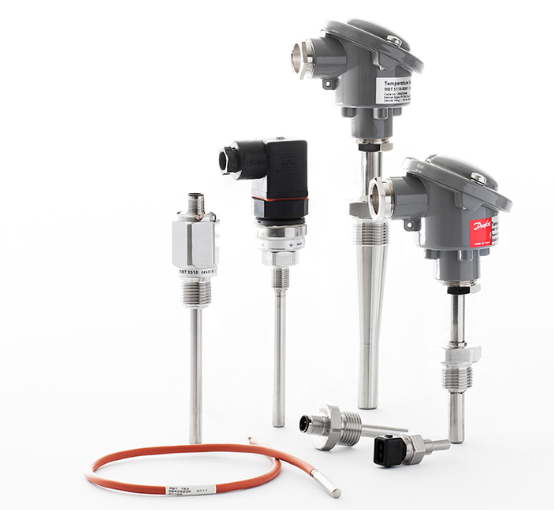
Premium hydraulic manufacturers back components with warranties extending 12-24 months or longer. These terms reflect confidence in reliability—companies don’t offer extended warranties on equipment expected to fail. Warranty comparison across brands reveals expected durability differences.
Reading warranty terms closely matters. Some cover only manufacturing defects, excluding damage from improper operation, contamination, or operating outside specifications. Others include comprehensive coverage protecting against failures even when operational practices weren’t perfect. The latter approach suggests components engineered with margin to survive less-than-ideal conditions.
Warranty administration demonstrates manufacturer responsiveness. Companies that quickly approve claims, provide loaner equipment during repairs, and process documentation efficiently value customer relationships. Those that litigate every warranty claim, impose burdensome documentation requirements, and take weeks processing requests signal future service headaches.
Three-year warranties on hydraulic cylinders or pumps indicate engineered durability exceeding typical service life. Most hydraulic equipment operates under conditions gradually degrading components—seal wear, bearing surface deterioration, valve seat erosion. Manufacturers offering extended warranties engineer extra margin into specifications, use premium materials, and apply manufacturing processes that minimize defects.
Parker excels in catalog breadth and component variety, offering solutions across virtually every hydraulic application. Bosch Rexroth specializes in automation integration and precision control systems. For traditional industrial hydraulics, Parker provides excellent reliability and parts availability. For applications requiring digital control integration or Industry 4.0 connectivity, Bosch Rexroth offers more advanced electronic interfacing.
Kawasaki components typically operate at higher pressures with longer service intervals between major rebuilds. The premium pricing reflects aerospace-grade manufacturing tolerances, advanced materials in bearing surfaces, and engineering that delivers mean time between failures exceeding economy brands by 300-500%. In heavy equipment where downtime costs exceed component costs, the reliability differential justifies pricing differences.
Several specialized manufacturers produce reliable components for specific applications. HYDAC focuses on filtration and accumulators, Bucher Hydraulics serves agricultural equipment, and Sun Hydraulics makes cartridge valves. These companies offer engineering depth in their specialties but narrower product ranges than comprehensive manufacturers. They’re excellent choices when applications align with their expertise.
Local support becomes critical when equipment operates continuously or in remote locations. The difference between 24-hour and two-week component delivery determines whether a hydraulic failure causes brief inconvenience or extended production shutdown. Before selecting any brand, verify the distributor maintains technical staff and parts inventory adequate for your operational territory and equipment criticality.
The hydraulics market will continue consolidating around manufacturers demonstrating consistent reliability and comprehensive support networks. As equipment becomes more sophisticated and interconnected, brands integrating diagnostic capabilities and predictive maintenance features will capture premium applications where operational intelligence adds value beyond mechanical performance alone.
Understanding contamination remains essential regardless of brand selected. Maintaining fluid cleanliness through proper filtration, monitoring fluid condition through regular analysis, and addressing contamination sources prevents the failure mode responsible for most hydraulic problems. Even premium components fail rapidly when operating in contaminated fluid—a $5,000 pump can’t overcome $50 worth of neglected maintenance.
Temperature management emerges as increasingly important as equipment works harder and runs longer. Hydraulic systems generate heat through internal friction and fluid restriction. Adequate cooling capacity, proper fluid viscosity for operating temperature range, and thermal monitoring prevent the degradation that reduces component life and causes premature failures.
The brands discussed here earned their reputations through decades of engineering refinement and manufacturing consistency. They won’t be the cheapest options available, but the total cost calculation—including downtime avoided, maintenance intervals extended, and operational confidence gained—consistently favors these manufacturers in applications where reliability carries significant value.


