
Ethan Parker, Senior Hydraulic Systems Engineer
14+ years in hydraulic system design & field service · IFPS Certified · Reviewed by POZOOM Hydraulic Technical Team
Updated March 2026 · 9 min read
Standard hydraulic fluid does not freeze solid the way water does. Most mineral-based hydraulic oils reach their pour point — the temperature at which they stop flowing — around –10°F to –30°F, depending on base stock and additives (measured per ASTM D97). But operational problems start well above the pour point. When oil viscosity climbs past a pump's rated suction capability, cavitation, seal stress, and valve sluggishness follow. The real cold-weather risk isn't a block of frozen oil — it's fluid that's too thick for the system to move safely.
A Cold-Start Failure That Cost More Than the Engine
A contractor in northern Minnesota contacted our service team a couple winters back about a CAT 330 excavator that had been parked outdoors over a long weekend. Ambient temps were in the low teens — around 12°F. The operator started the engine Monday morning, waited a few minutes, then went to full-speed digging without cycling the hydraulics first.
Within about forty minutes, the main hydraulic pump was making what the operator described as a grinding, rattling noise. When the machine came in for inspection, the piston shoes and valve plate showed classic cavitation erosion. The system oil had to be drained and flushed, and the excavator sat idle for two days on a project with time penalties. The shop invoice for pump replacement and system decontamination ran into five figures — a repair that would have been completely avoidable with a different fluid grade or a proper warm-up cycle.
The oil in the machine was an AW-68 — a solid summer fluid. But at 12°F, that grade thickens well beyond most pump manufacturers' recommended suction viscosity limits. (For reference, Parker Hannifin's guidelines for axial piston pumps typically cap inlet viscosity at 1,000 cSt; an AW-68 at 12°F will often exceed that, depending on the specific product's VI.) The pump's inlet couldn't keep up, vacuum formed inside the housing, and cavitation did the rest.
That failure pattern is consistent with nearly every cold-start hydraulic case we've worked through. The fluid doesn't freeze. It thickens — and the cascade of problems that follow affect the entire circuit.
What "Freezing" Actually Means for Hydraulic Oil
Water has a clean, definitive freeze point: 32°F. It transitions from liquid to solid at a predictable temperature. Hydraulic oil doesn't work that way. Petroleum-based hydraulic fluids don't crystallize into a solid block — they gradually thicken as temperatures drop, moving through a continuum from free-flowing liquid to sluggish gel.
The industry measures this transition with two specifications. The pour point (tested per ASTM D97) is the lowest temperature at which oil will still flow under gravity. For most standard AW-32 and AW-46 hydraulic oils, published pour points fall between –10°F and –30°F, depending on the base stock, refining process, and additive package — you can find this on the product data sheet from any reputable oil manufacturer. The cloud point (ASTM D2500), typically 10–15°F above the pour point, is where wax crystals begin forming in mineral oils and the fluid turns hazy.
But here's what catches operators off guard: the system stops working properly at temperatures far above the pour point. Most pump manufacturers publish a maximum inlet viscosity — commonly around 1,000 centistokes for piston pumps, sometimes lower. A typical AW-32 mineral oil can approach or exceed that 1,000 cSt mark near 32°F, depending on its VI and additive chemistry. That's the freezing point of water, not the oil's own pour point, and yet the pump is already struggling.
This disconnect between "the oil still flows" and "the oil flows well enough for the pump" is where most cold-weather damage originates. The dipstick shows fluid. The operator assumes everything is fine. But the viscosity may be several times higher than what the system was designed to handle.
The Chain Reaction: How Cold Oil Damages Your System
Understanding how hydraulic systems transmit power makes the cold-weather failure sequence predictable. Pressurized fluid flows from pump to valve to actuator and back. When that fluid resists movement, the problems stack up fast.
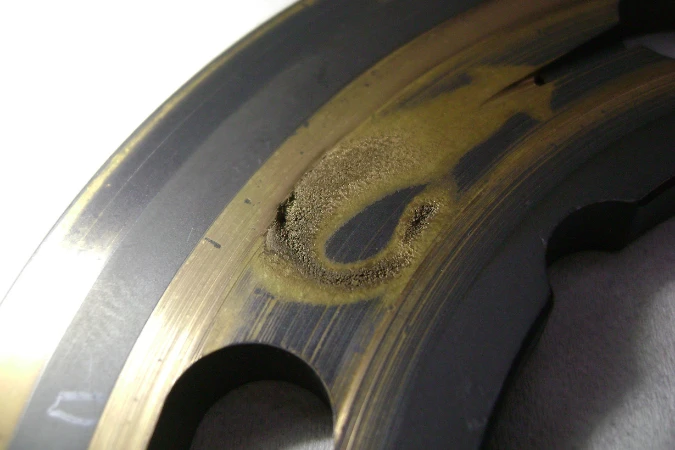
Pump cavitation comes first. Thick oil can't fill the pump's internal chambers quickly enough during each rotation. A partial vacuum forms on the suction side. Dissolved air and vapor bubbles collapse violently against metal surfaces — piston shoes, gear faces, vane tips. The damage is cumulative and irreversible. A gear pump starved of inlet flow won't forgive restrictions; a piston pump's swashplate servo can fail both mechanically and hydraulically under these conditions. If you're chasing hydraulic low-pressure problems after a cold snap, cavitation damage to the pump is the first place to look.
Seal and hose failures follow. Rubber and elastomer components — O-rings, rod seals, hydraulic hose inner tubes — lose flexibility as temperatures drop. Standard nitrile (Buna-N) seals are generally rated for service down to around –20°F to –40°F depending on the specific compound and hardness (per SAE J515 / manufacturer data). Below that range, the rubber approaches its glass transition temperature and becomes brittle. When thick oil generates pressure spikes against relief valves on startup, those stiffened seals are at much higher risk of cracking. We tend to see these failures on the first cold morning of the season rather than mid-winter, because the initial pressure surge hits components that haven't warmed up yet.
Valve response degrades. Directional control valves depend on oil flowing through precision-machined spool clearances measured in microns. When fluid viscosity quadruples, the pressure drop across those clearances climbs dramatically. Solenoid-operated valves may not shift completely. Pilot-operated valves lose their pressure signal. The symptoms look identical to a failing hydraulic control valve — sluggish cylinders, erratic movements, actuators that won't hold position — but the root cause is the oil, not the valve hardware.
Relief valves act unpredictably. A system that normally operates at 2,500 PSI may see the relief valve cracking open at lower pressures because thick oil creates excessive back-pressure throughout the circuit. In rare cases, water contamination in the hydraulic fluid actually freezes inside the relief valve's pilot passages, jamming the valve shut entirely. That scenario — documented in field reports from equipment operating below 0°F — creates an overpressure condition with no safety release path, which can rupture hoses or crack cylinder barrels.
Choosing the Right Hydraulic Fluid for Cold Conditions
Fluid selection is where winterization starts — and where it's easiest to make a mistake that compounds through the whole system. The Viscosity Index (VI) of a hydraulic oil, measured per ASTM D2270, tells you how much its thickness changes with temperature. A higher VI means more stable viscosity across a wider temperature range.
Standard mineral-based AW hydraulic oils typically carry a VI between 90 and 110. That's adequate for equipment operating in roughly 40°F to 140°F ambient conditions. If your site regularly sees temps below 20°F, you'll want to move up the performance ladder.
Hydraulic fluid options ranked by cold-weather performance:
- Multi-grade hydraulic oil (e.g., 5W-30 hydraulic fluid) — VI typically in the 140–160 range, pour point around –35°F to –45°F depending on the product. A reasonable choice for equipment that operates year-round in climates with moderate winters (down to roughly 0°F ambient). Typically costs more than single-grade AW oil — check with your fluid supplier for current pricing in your volume.
- Full synthetic hydraulic oil — VI often exceeding 160, pour point as low as –55°F to –65°F. Formulated from PAO (polyalphaolefin) or ester base stocks. Maintains pumpable viscosity in sustained sub-zero conditions. Higher upfront cost, but extended drain intervals and reduced component wear can offset the price difference over a season or two — an economic question worth running with your specific usage rates.
- Arctic-grade synthetic hydraulic fluid — VI of 180+, pour point below –60°F in some formulations. Engineered for mining, forestry, and oil field equipment in northern Canada, Alaska, Scandinavia, and similar environments. Even these fluids will be quite thick at –30°F — pumpable with proper warm-up, but not a substitute for pre-heating procedures.
- Biodegradable hydraulic fluids (e.g., synthetic ester-based) — VI around 150–170, pour point typically –40°F to –50°F. Required by regulation near waterways in many jurisdictions. Cold-weather performance is generally comparable to petroleum synthetics, but compatibility with existing seal materials should be confirmed with both the fluid and seal manufacturers before switching.
One thing worth emphasizing: if your equipment transitions between hot summers and cold winters, a seasonal fluid change is generally the safest approach. Running a summer-weight AW-68 in January puts your pump in the cavitation risk zone every cold morning. Running a winter-weight 5W-30 in August can thin out excessively and reduce film strength under load. Some operations with tight schedules skip the swap and use a year-round multi-grade — that's a workable compromise for moderate climates, though you're giving up some margin at both ends of the temperature range. Check your pump and motor OEM manuals for their recommended viscosity operating window, and choose accordingly.
Warming Up Hydraulic Equipment the Right Way
Every cold-weather hydraulic guide says "warm up the system before operating." Few explain what that actually means in practice.

The goal is to bring hydraulic oil to at least 100°F before placing the system under significant load — most pump and motor manufacturers cite this as a minimum threshold. The ideal operating window for many systems is around 120°F to 150°F, which is where oil viscosity sits in the 16–36 cSt range that balances lubrication, efficiency, and heat dissipation. Your machine's service manual should specify the recommended oil temperature range; defer to that over any general guideline.
Start the engine and let it idle. High RPM during cold start forces the pump to try moving thick oil at maximum displacement — a recipe for inlet starvation. Idle speed reduces pump demand while engine heat begins warming the reservoir through conduction and return-line circulation. Don't rush this step. A few extra minutes at idle is cheap compared to a pump rebuild.
After 5–10 minutes of idle, slowly cycle hydraulic functions — extend and retract cylinders, rotate the swing, raise and lower the boom — at half speed with no external load. This circulates oil through remote lines, valves, and actuators that may still hold cold fluid from overnight. The friction generated by oil moving through tight clearances produces heat within the system.
For equipment with block heaters or tank-mounted heaters, plug them in 2–4 hours before the shift starts. Electric immersion heaters in the reservoir are the most efficient option — they heat the fluid directly and can be thermostatically controlled to maintain a minimum temperature overnight. In remote locations without electrical power, liquid-to-liquid heat exchangers that tap into the engine's coolant circuit offer a secondary heating path once the engine is running.
Water Contamination: The Hidden Freeze Risk
Here's the scenario that actually produces ice inside a hydraulic system. Hydraulic oil itself may not freeze at common winter temperatures, but water contamination in that oil absolutely does. And most hydraulic systems carry more water than their operators realize.
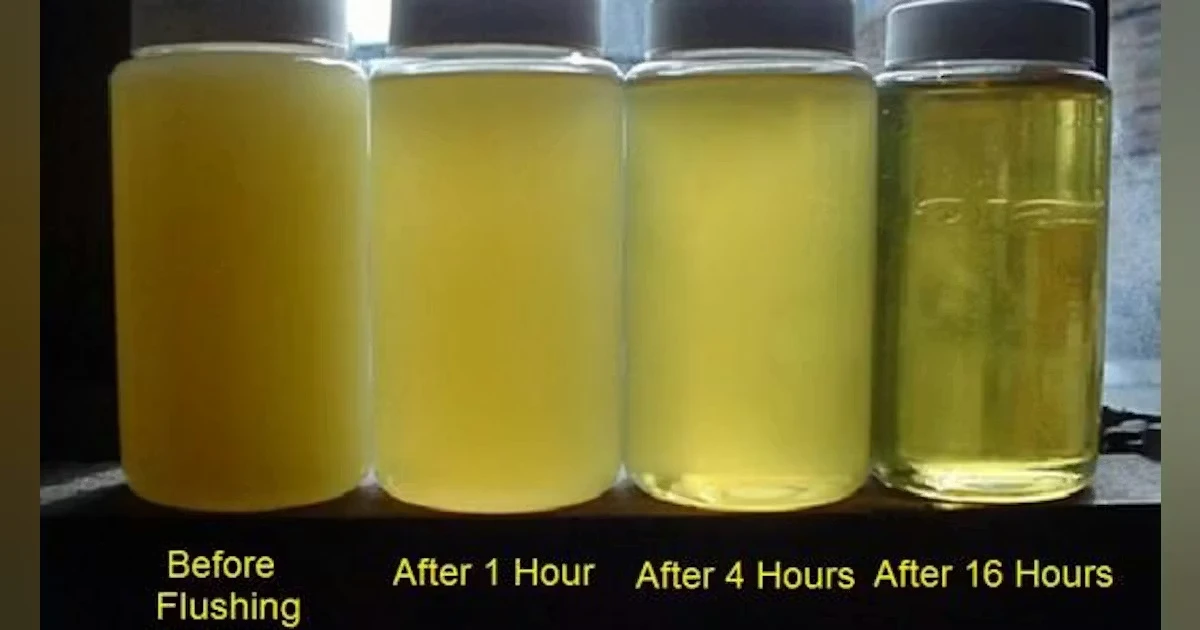
Moisture enters through reservoir breathers, worn cylinder rod seals, and condensation during temperature cycling. A machine that runs hot during the day and sits cold overnight pulls humid air into the reservoir as the oil cools and contracts. That moisture accumulates over weeks and months. Industry guidelines from groups like NFPA and major filter manufacturers generally recommend keeping water content below 100–200 ppm for reliable system operation. In practice, oil samples from outdoor mobile equipment often come back significantly higher — especially on machines without desiccant breathers or with aging rod seals.
When water-contaminated oil drops below 32°F, the water separates and forms ice crystals. Those crystals are small, but they're abrasive and they block things. They can plug filters, jam pilot valve orifices, and scratch precision spool surfaces. In severe cases, ice blockages in pilot lines have caused relief valve malfunctions that led to burst hoses and cracked fittings.
The fix is preventive: send an oil sample for water content analysis before winter sets in. If results come back elevated — your oil analysis provider can advise on acceptable thresholds for your specific fluid and components — consider running the system through a vacuum dehydrator or kidney-loop filtration system. Replace desiccant breathers if they've changed color or been in service more than a few months. And top off your reservoir after every use. A full tank has less airspace, which means less room for condensation to develop overnight.
Winter Storage That Actually Protects Your Equipment
If your hydraulic equipment sits idle during winter months, storage prep matters as much as operational winterization.
Fully retract all cylinders. Exposed chrome piston rod surfaces corrode when moisture condensation freezes and thaws repeatedly on the polished surface. A retracted rod is protected inside the barrel. For machines that can't fully retract all cylinders, apply a thin coating of corrosion-preventive compound to any exposed rod area.
Fill the reservoir to maximum capacity. Change the hydraulic filter. Cycle all functions briefly to distribute fresh, clean oil throughout the system. Then cap every open port — disconnected hose ends, uncapped valve ports, open fittings. This is a small detail that prevents outsized problems. Contamination that enters during storage sits in the system all winter and hits moving parts on the first spring startup.
Store the machine indoors if possible. Even an unheated shed or pole barn provides meaningful temperature buffering compared to open-air storage, and eliminates direct exposure to snow, ice, and wind. If indoor storage isn't an option, cover the machine and elevate tracked equipment off the ground using wooden blocks to prevent tracks from freezing to the surface.
Pre-Winter Inspection Checklist
Before the first hard freeze, walk through these items on every piece of hydraulic equipment in your fleet. It takes maybe twenty minutes per machine, and the payoff is avoiding the kind of cold-morning surprises that pull equipment offline for days.
Fluid level and condition. Pull the dipstick — if the oil is too thick to drip off the end at current ambient temps, it's telling you the viscosity isn't matched to the weather ahead. Look for milky discoloration, which indicates water contamination. If your shop has a portable viscometer, test a sample at operating temperature. Otherwise, send a sample to an oil analysis lab — most offer turnaround within a few days, and the cost is trivial compared to a cold-start failure.
Rubber components. Flex each hydraulic hose by hand. Stiff, cracked, or surface-checked rubber that's borderline in warm weather becomes a failure waiting to happen once temperatures drop and that rubber loses its remaining flexibility. Check seals around cylinder rod glands for weeping — a minor warm-weather seep often becomes a full leak when hardened seals meet cold-start pressure spikes.
Valves and electrical. Verify that directional control valves and relief valves are responding correctly. A valve with marginal spool movement or a weak pilot signal in October is likely to cause real problems by January. Confirm battery condition as well — cold weather roughly doubles cranking amp requirements, and extended cranking delays warm-up while adding cold-start stress to every hydraulic component.
Frequently Asked Questions
Is AW-32 or AW-46 better for winter hydraulic use?
AW-32 is the lighter grade and flows more easily at lower temperatures, making it a better starting point for cold climates. However, AW-32 may thin out too much in hot summer conditions. If your machine operates year-round and you only want to stock one grade, a multi-grade hydraulic oil (such as a 5W-30 hydraulic fluid) with a high Viscosity Index often provides a better all-season compromise than either single-grade option alone. Always check the pump and motor manufacturer's recommended viscosity window before selecting.
Can hydraulic oil gel even if the engine starts normally?
Yes. Engine oil and hydraulic oil are different fluids with different viscosity characteristics. A diesel engine with a block heater and proper cold-rated engine oil may start and idle without difficulty while the hydraulic oil in the reservoir is still well above recommended suction viscosity. This is actually one of the more common traps — the engine runs fine, so the operator assumes the hydraulic system is ready, and starts working before the oil has warmed up enough to protect the pump.
Should I change the hydraulic filter before or after winter storage?
Before. A used filter may contain moisture and contaminant particles that you don't want sitting in your system for months. Installing a fresh filter before storage — and then briefly cycling the hydraulics to circulate clean oil — means the fluid sitting in your lines, valves, and cylinders over winter is as clean as possible. Some operators also change the filter again at spring startup as an added precaution, especially if the equipment stored outdoors.
What's the difference between pour point and freezing point for hydraulic oil?
Hydraulic oil doesn't have a true freezing point the way water does — it never forms a crystalline solid. The pour point (tested per ASTM D97) is the lowest temperature at which the oil still flows under gravity in a standardized lab setting. Below that, it becomes an unpourable gel but remains a semi-solid, not ice. The distinction matters because many people assume "freeze point" means the system temperature where problems start, when in reality, performance degradation begins at temperatures well above the pour point.
Do I need to add antifreeze to hydraulic fluid?
No — do not add automotive antifreeze (ethylene glycol) to hydraulic oil. They are chemically incompatible and mixing them will damage seals, clog filters, and destroy pump internals. If your system needs better cold-weather performance, switch to a hydraulic fluid with a lower pour point and higher VI rather than trying to modify the existing fluid. Some water-glycol hydraulic fluids exist as fire-resistant alternatives, but they are purpose-formulated products, not a mix of standard oil and antifreeze.
How can I tell if my hydraulic pump was damaged by cold-start cavitation?
The early signs are increased noise (a higher-pitched whine or rattling sound that wasn't there before), reduced system pressure under load, and slower cycle times. If you suspect cold-start damage, check the case drain flow on piston pumps — flow exceeding roughly 5% of pump displacement typically indicates internal wear. For gear pumps, look for scoring on the gear faces and wear plates. An oil sample analyzed for metal particle content can also confirm whether abnormal wear is occurring. The diagnostic approach is the same as any low-pressure investigation — isolate the pump, test relief settings, and check actuator seals before replacing expensive components.
Cold weather is manageable if you respect what it does to hydraulic fluid. The approach isn't complicated — match the fluid to the climate, warm up before loading the system, control moisture, and inspect rubber components before the first freeze. Most of the expensive cold-weather failures we see at POZOOM come down to one of those four things being overlooked, not some exotic engineering problem.
If you're sourcing components for cold-climate equipment — pumps, valves, cylinders, or seal kits rated for low-temperature service — our technical team has experience specifying systems for operations across the northern U.S. and western Canada. Our cold-weather hydraulic protection guide covers additional detail on fluid selection, seal materials, and heating system design for severe environments.


